Beef Bourguignon Recipe- Gluten Free Slow Cooker Recipes

Beef Bourguignon — Gluten-Free Slow Cooker Recipe
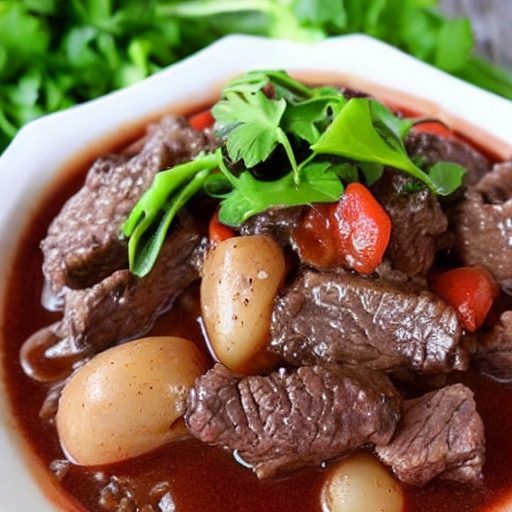
Beef bourguignon is a classic French beef stew, slowly cooked with onions, carrots, and celery in red wine and beef broth with tomato paste and thyme until the sauce is rich and the beef is tender. This version is made gluten-free by using gluten-free flour, a gluten-free Worcestershire sauce, and gluten-free beef bouillon, so you get the same deep flavour without the wheat flour in a traditional recipe.
The slow cooker suits bourguignon especially well, because the dish was always a long, slow braise — the cooker simply makes it hands-off. It suits weekend cooking, feeding guests, and anyone following a gluten-free diet who does not want to miss out on a classic.

Ingredients
- Beef chuck roast
- Onions, carrots, and celery
- Garlic and tomato paste
- Red wine and beef broth
- Bay leaves and thyme
- Gluten-free flour
- Gluten-free Worcestershire sauce
- Gluten-free beef bouillon cubes
All of these ingredients can be found at most grocery stores — just check labels on the flour, sauce, and bouillon to be sure they are gluten-free.
Method
1. Fill the slow cooker
Add the beef chuck roast to the slow cooker and top it with the onions, carrots, celery, garlic, tomato paste, red wine, beef broth, bay leaves, thyme, and gluten-free flour.
2. Cook low and slow
Cover the slow cooker and set it to low. Cook for 8–10 hours, or until the beef is tender.
3. Shred and finish the sauce
Once the beef is cooked through, take it out of the slow cooker and shred it with two forks. Return the shredded beef to the cooker and stir in the Worcestershire sauce and beef bouillon cubes. Cover and cook for a further 30 minutes so the sauce and seasoning come together, then remove the bay leaves before serving.
Serving suggestions and variations
Serve bourguignon with mashed potatoes, roasted vegetables, or a green salad, or spoon it over rice or noodles for a heartier meal — choose gluten-free noodles if you need the whole meal to stay gluten-free. For a lighter plate, serve it over a bed of greens. To vary the flavour, add mushrooms for an earthy note, use bacon for a smoky taste, or change the herbs and spices to make the dish your own.
Tips for a better bourguignon
Chuck is the right kind of cut for this dish because it has the connective tissue that turns soft and rich over a long, slow cook — lean, quick-cooking beef would dry out instead. Cut the beef into even pieces if you are not cooking it whole, so everything shreds at the same time. The gluten-free flour does two jobs here: it helps the sauce body as it cooks, so use the gluten-free flour listed rather than leaving it out. Keep the lid on for the long cook, and shred the beef only once it gives way easily with a fork — if it resists, it simply needs more time on low. Stir the finished sauce and taste before serving, and lift out the bay leaves so nobody finds one on their plate.
Serving and storage
Serve hot, with plenty of the wine sauce spooned over. Let leftovers cool before refrigerating, then store them in sealed containers in the fridge for 3–4 days, or freeze for up to 3 months. Thaw overnight in the refrigerator if frozen and reheat thoroughly on the stovetop until piping hot before serving.
Nutrition note: protein comes mainly from the beef; check USDA FoodData Central for exact values for your cut and portion.
Quick questions
Can I make it ahead? Yes — bourguignon reheats very well and the sauce often tastes deeper the next day. Cook it, cool it, store it following the guidance below, and reheat it thoroughly on the stovetop before serving.
Where does gluten usually hide in this dish? In the flour used to thicken the sauce, and in some Worcestershire sauces and bouillon cubes. This version uses gluten-free flour, sauce, and bouillon — check the labels when you shop to keep the whole dish gluten-free.
More slow-cooker recipes
If you like this stew, try our classic beef stew or slow-cooked beef brisket next. You can browse more ideas in our healthy food recipes collection.
Medical Disclaimer
This article is for general information only. It is not medical advice, and it is not a recommendation for any person. Talk to a qualified clinician before changing diet, exercise, or supplement habits, especially with a health condition, pregnancy or breastfeeding, or regular medication use. This article was written by C.K. Gupta, a health and science writer who summarises published research; it is not written by a licensed medical clinician, and it does not replace professional evaluation, diagnosis, or treatment.
Sources
- Healthy diet — WHO fact sheet
- USDA FoodData Central
- Dietary Guidelines for Indians (ICMR–National Institute of Nutrition)
By the C.K. Gupta · Last updated: 26 February 2023
How FitNTip builds its guides: our articles are compiled from official public sources — including the Indian Food Composition Tables (ICMR–National Institute of Nutrition), USDA FoodData Central and the WHO healthy diet guidance — and reviewed against them when updated.
This article is educational and is not medical advice. If you have a medical condition, are pregnant, or plan a major change in diet or training, talk to your doctor first.
This article is for informational and educational purposes only. It does not constitute medical advice, diagnosis, or treatment. The information presented is researched from trusted sources including peer-reviewed scientific journals, CDC, NIH, WHO, and recognized health organizations. Always consult a qualified healthcare professional before making any changes to your diet, exercise routine, or health regimen.