Lily Rose Depp Weight Loss Transformation: Workout and Diet


Lily-Rose Depp is a French-American actress and model, and coverage of her often focuses on her appearance. This page takes a different approach. It looks only at the everyday habits that have been reported about her — dance-based training, regular walking and balanced eating — and at what, if anything, is worth taking from them. It does not celebrate weight loss itself, and it does not present her body as a goal for anyone else.
A note before anything else: healthy bodies naturally vary a great deal in shape and size, and being very thin is not a health goal. A person’s weight on its own says little about their health. If reading about food, weight or exercise leaves you anxious, or if you find yourself restricting food, skipping meals or exercising to “earn” food, please pause and talk to a doctor or another trusted professional. That conversation matters far more than anything in a celebrity article.
Who is Lily-Rose Depp?
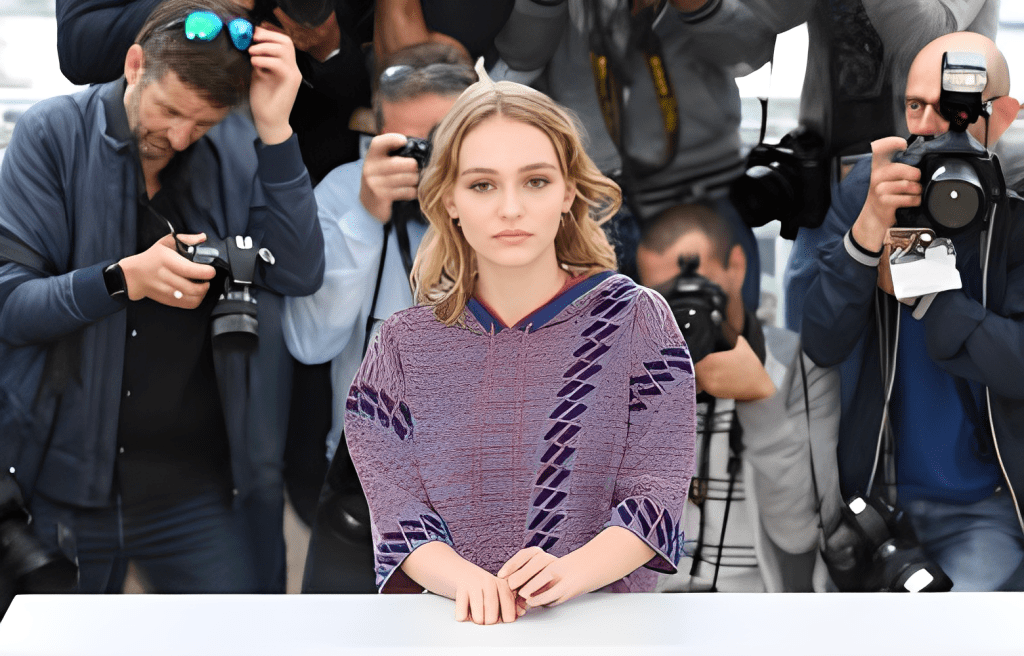
Lily-Rose Melody Depp, born May 27, 1999, in Neuilly-sur-Seine, France, is the daughter of actor Johnny Depp and singer-actress Vanessa Paradis. She began her acting career with a small role in Tusk (2014) and has since appeared in films including Yoga Hosers (2016), The King (2019) and Voyagers (2021). She has also modelled since her teens and has been a Chanel brand ambassador since 2015.
| Feature | Particular |
| Full Name | Lily-Rose Melody Depp |
| Date of Birth | May 27, 1999 |
| Place of Birth | Neuilly-sur-Seine, France |
| Height | 1.65 m |
| Parents | Johnny Depp (father), Vanessa Paradis (mother) |
| Siblings | Jack Depp (brother) |
| Occupation | Actress, model |
| Notable Works | Tusk (2014), Yoga Hosers (2016), The King (2019) |
What Has Actually Been Reported About Her Habits
Depp gives relatively few detailed interviews about exercise or food, and she has not published a workout programme or a diet plan. What reporting does consistently mention is more modest than the detailed routines often attributed to her online:
- Dance and ballet-style training. She trained in dance growing up, and dance-based movement has been part of how she stays active. Dance is real exercise — it builds stamina, coordination, balance and leg strength — and for performers it is also part of the job itself.
- Walking and everyday movement. She has been reported to walk a lot in daily life, in Paris and elsewhere. Regular walking is one of the simplest forms of activity there is, and it adds up across a week.
- Balanced eating, as reported. Coverage of her eating describes ordinary, balanced meals rather than a named or restrictive diet. No verified meal plan, calorie target or food rule has been published by her, and this article will not invent one.
That is the honest extent of it. Longer lists of specific exercises, sets, meals or rules that circulate online under her name are not sourced from her, and we have removed the ones that appeared in an earlier version of this article.
What Actually Works for Most People
The useful lessons here are not about looking like anyone else. They are about the kind of activity and eating pattern that supports health for most people:
- Choose movement you will repeat. Dance classes, walking, swimming, cycling, yoga, gym training — the best option is the one you enjoy enough to keep doing most weeks. Enjoyment is not a bonus; it is what makes a routine last.
- Build activity into the day. Walking for errands, taking stairs and short movement breaks make a real difference over time, alongside any formal exercise.
- Eat regular, balanced meals. Vegetables and fruit, whole grains, a protein source at most meals and healthy fats, with room for foods you enjoy. Regular meals support energy, mood, training and recovery far better than restriction does.
- Rest properly. Sleep and rest days are part of fitness, not a break from it. Persistent exhaustion, dizziness or missed periods are signs to stop and see a doctor, not to push harder.
- Judge progress by health, not by resemblance. Energy, strength, stamina, sleep and routine health checks are meaningful measures. If you want background on body composition, our guide to ideal body fat percentage explains why healthy ranges are wide, why they differ from person to person, and why no single figure — and no celebrity’s figure — is a target to chase.
A Healthier Way to Read Celebrity Coverage
Photos and headlines are a poor source of health information. Images are selected, styled and often edited; interviews promote films, brands and products; and a short article cannot show someone’s genetics, medical history, professional support or the parts of their life that are simply private. Two people can follow the same routine and look completely different, because bodies respond differently to the same food and exercise.
A practical rule: take activities and meal patterns from celebrity coverage if they sound enjoyable, and ignore every number attached to a person — weights, sizes, calories and timelines. Those numbers describe one person, in one set of circumstances, and they are often not verified even for that person. Your own routine only needs to work for your body, your health and your life.
Self-Care and Rest
Recovery is when training actually takes effect. Enough sleep, days off from hard exercise and time away from appearance pressure all support both physical and mental health. If exercise or food thoughts start to take over your day, that is a sign to step back and get support, not to add more discipline.
Conclusion
There is no secret routine to copy here, and that is the point. What has been reported about Lily-Rose Depp is a background in dance, an active daily life and balanced eating — ordinary habits, described in ordinary terms. Take the habits that sound enjoyable and sustainable, adapt them to your own body and life, and leave comparison out of it. If you take one thing from this page, let it be that: your health is the goal, not someone else’s appearance.
Sources
- Healthy diet — WHO fact sheet
- Exercise and Physical Fitness — MedlinePlus
- Physical activity — WHO fact sheet
Related guides
- How Did Adele Lose 100 Pounds? Her Diet and Exercise Routine
- Beyoncé Weight Loss Journey: What Is Beyonce’s Secret to Staying in Shape?
- Key Factors of Oprah Winfrey Weight Loss Transformation? Diet and Exercise Plan
By the FitNTip Editorial Team · Last updated: 4 November 2026
How FitNTip builds its guides: our articles are compiled from official public sources — including the Indian Food Composition Tables (ICMR–National Institute of Nutrition), USDA FoodData Central and the WHO healthy diet guidance — and reviewed against them when updated.
This article is educational and is not medical advice. If you have a medical condition, are pregnant, or plan a major change in diet or training, talk to your doctor first.
This article is for informational and educational purposes only. It does not constitute medical advice, diagnosis, or treatment. The information presented is researched from trusted sources including peer-reviewed scientific journals, CDC, NIH, WHO, and recognized health organizations. Always consult a qualified healthcare professional before making any changes to your diet, exercise routine, or health regimen.