Plant Based Protein – Sources, Benefits, and Meal Ideas


Plant-based protein has gained significant popularity in recent years, thanks to its numerous health benefits and positive impact on the environment. Unlike animal proteins, plant-based sources are typically lower in saturated fats and cholesterol, making them a heart-healthy choice. Additionally, plant-based proteins are rich in vital nutrients, antioxidants, and fiber, which are crucial for overall well-being.
Also Read-Quinoa – A Complete Protein Source for Vegetarians
Understanding Protein in Nutrition.
Function of Protein in the Body.
An crucial macronutrient, protein is made up of amino acids that are vital for various functions in the body. It serves as the building blocks for muscles, skin, enzymes, and hormones. Protein also plays a crucial role in repairing tissues and supporting immune function. Without an adequate intake of protein, the body may experience muscle loss, weakened immune system, and slow wound healing.
Comparing Plant-Based Proteins and Animal-Based Proteins.
When comparing plant-based and animal-based proteins, there are key differences to consider. Animal-based proteins, such as meat, poultry, fish, and dairy, are complete proteins containing all crucial amino acids. On the other hand, plant-based proteins, like beans, lentils, nuts, and seeds, may lack one or more crucial amino acids.
| Animal-Based Proteins | Plant-Based Proteins |
| Complete proteins with all crucial amino acids | May lack one or more crucial amino acids |
Animal-based proteins are a more efficient source of protein for the body, while plant-based proteins may require a combination of different sources to ensure all crucial amino acids are consumed.
Sources of Plant-Based Protein.
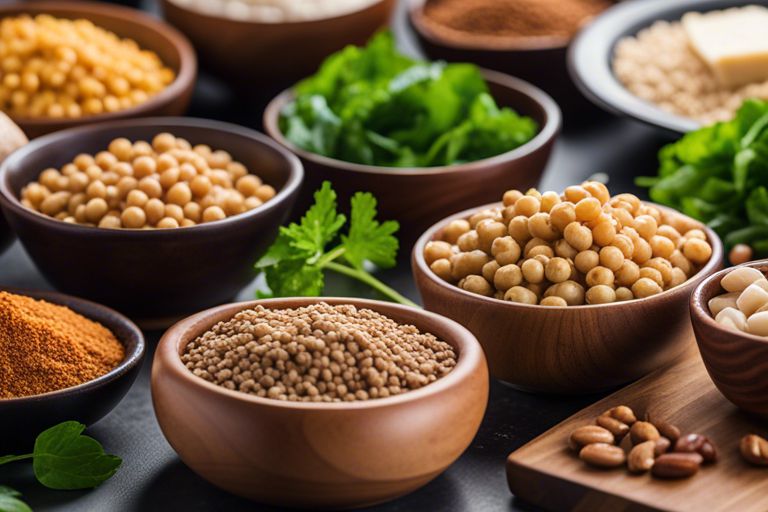
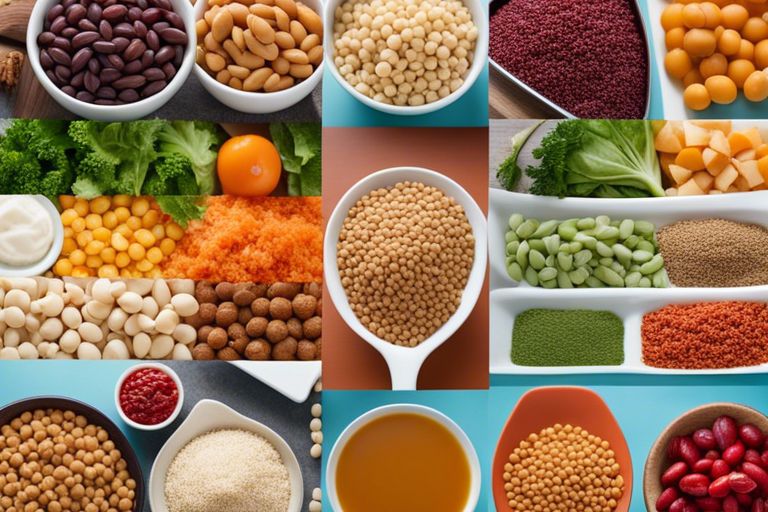
Some of the best sources of plant-based protein include legumes and beans, nuts and seeds, whole grains, vegetables, and plant-based protein supplements. Each of these categories offers a range of protein-rich options to help you meet your daily protein needs.
Legumes and Beans.
For those following a plant-based diet, legumes and beans are important sources of protein. Lentils, chickpeas, black beans, and kidney beans are all excellent choices packed with protein, fiber, and important nutrients. They can be easily incorporated into soups, salads, stews, and even veggie burgers to increase your protein intake.
Nuts and Seeds.
Sources of plant-based protein don’t stop at legumes and beans; nuts and seeds are also great options. Almonds, chia seeds, hemp seeds, and pumpkin seeds are not only rich in protein but also provide healthy fats and vitamins. Add them to your morning smoothie, oatmeal, or salads for an extra protein boost.
Plant-based protein sources like nuts and seeds offer a variety of nutrients important for overall health, including heart-healthy fats, fiber, and antioxidants. Including a mix of these in your diet can help improve satiety and provide a wider array of nutrients important for optimal health.
Whole Grains.
For plant-based protein, don’t overlook whole grains like quinoa, brown rice, bulgur, and oats. These grains not only offer protein but also fiber and complex carbohydrates, making them a nutritious addition to your meals. Quinoa, as an example, is a complete protein source, containing all nine important amino acids.
For those looking to increase their protein intake, incorporating whole grains into meals creates a balanced and filling dish. Whole grains provide sustained energy and can help regulate blood sugar levels, making them a valuable addition to a plant-based diet.
Vegetables.
Plus, many vegetables surprisingly contain a fair amount of protein. Broccoli, spinach, peas, and Brussels sprouts are just a few examples of protein-rich veggies that can help boost your daily protein intake. While they may not be as protein-dense as legumes or nuts, vegetables can still contribute to your overall protein consumption.
Understanding the protein content in vegetables can help you create balanced meals that meet your protein requirements. While not solely relying on veggies for protein, incorporating them into various dishes can increase the nutrient density of your meals and provide important vitamins and minerals.
Plant-Based Protein Supplements.
The market offers a variety of plant-based protein supplements derived from sources like pea, rice, hemp, and soy. These supplements can be convenient for individuals struggling to meet their protein needs through whole foods alone. They are available in powder form and can be added to smoothies or baked goods.
The use of plant-based protein supplements can be beneficial for individuals with heightened protein requirements, such as athletes or those recovering from an illness. However, it is important to choose supplements from reputable sources to ensure quality and safety. It’s always best to prioritize whole food sources of protein whenever possible.
Benefits of Plant-Based Protein.
Health Advantages.
Benefits of consuming plant-based proteins include improved heart health, reduced risk of certain cancers, and better weight management. Plant-based proteins are usually lower in saturated fats and cholesterol compared to animal sources, making them heart-healthy choices. They also contain crucial nutrients like fiber, vitamins, and minerals that are beneficial for overall health.
Environmental Impact.
Impact of opting for plant-based proteins instead of animal products is a more sustainable choice for the planet. Plant-based sources require significantly fewer natural resources such as water and land to produce compared to animal farming. By shifting towards a plant-based diet, individuals can help reduce greenhouse gas emissions and minimize the environmental footprint associated with food production.
Another important aspect of the Environmental Impact of plant-based protein consumption is the preservation of biodiversity. Livestock farming often leads to deforestation and habitat destruction, contributing to species extinction. Choosing plant-based proteins can help conserve natural habitats and protect wildlife populations.
Ethical Considerations.
To consider the ethical implications of food choices, plant-based proteins offer a more humane option compared to animal products. By opting for plant sources of protein, individuals can contribute to reducing animal suffering in the food industry. This aligns with principles of compassion and respect for all living beings.
Health is also a key ethical consideration when it comes to plant-based proteins. Plant-based diets have been linked to lower rates of chronic diseases such as diabetes, hypertension, and obesity. By prioritizing plant proteins in meals, individuals can support their long-term health and well-being.
Potential for Weight Management.
The potential for weight management is another significant benefit of incorporating plant-based proteins into one’s diet. Plant proteins are typically lower in calories and saturated fats, making them ideal choices for individuals looking to achieve or maintain a healthy weight. Additionally, the high fiber content in plant proteins can promote feelings of fullness and help with weight control.
For instance, replacing high-fat animal proteins with plant-based alternatives like lentils, chickpeas, and tofu can help reduce overall calorie intake while still providing crucial nutrients. This dietary shift can support weight loss goals and improve overall health outcomes in the long run.
Incorporating Plant-Based Proteins into Your Diet.
Balancing Meals with Plant Proteins.
The key to incorporating plant-based proteins into your diet is to keep a balance in your meals. Include a variety of protein sources such as beans, lentils, tofu, tempeh, nuts, and seeds. Pair these with whole grains, vegetables, and fruits to create a well-rounded meal that meets your nutritional needs.
Consider experimenting with different recipes and cooking methods to keep meals exciting and flavorful. You can try adding chickpeas to salads, making a black bean soup, or preparing a stir-fry with tofu and vegetables. Don’t be afraid to get creative in the kitchen!
Protein Requirements and Daily Intake.
On average, adults need about 0.8 grams of protein per kilogram of body weight per day. However, plant-based eaters may need slightly more protein to account for differences in protein quality and absorption compared to animal-based proteins. It’s important to ensure that you are meeting your daily protein needs through a variety of plant-based sources.
Reading Food Labels for Protein Content.
Labels on food products can help you determine the protein content per serving. Look for plant-based sources such as quinoa, chia seeds, or edamame that are rich in protein. Additionally, pay attention to the serving size to understand how much protein you are consuming in each portion of the food item.
This information can be important for those looking to increase their protein intake or for individuals following a plant-based diet to ensure they are meeting their nutritional needs. By becoming familiar with reading food labels for protein content, you can make more informed choices about the foods you consume.
Overcoming Common Challenges.
Finding Complete Proteins in Plant Sources.
To ensure you are getting all the important amino acids needed for optimal health, it is crucial to consume a variety of plant-based protein sources. Complete proteins can be found in foods such as quinoa, tofu, tempeh, buckwheat, and chia seeds. By combining different plant proteins throughout the day, you can easily meet your body’s protein requirements.
Combating Myths and Misunderstandings.
An important myth to debunk is the idea that plant-based protein is inadequate. Complete proteins are readily available in a diverse plant-based diet, and by including a variety of plant foods, you can easily meet your protein needs. It’s also important to understand that plants not only provide protein but also a plethora of other important nutrients that contribute to overall health and well-being.
Combating myths and misunderstandings around plant-based protein can help individuals make informed decisions about their dietary choices. Emphasizing the abundance of protein-rich plant foods and the benefits they offer can help dispel any doubts or concerns that people may have.
Dealing with Dietary Restrictions and Allergies.
For individuals with dietary restrictions or allergies, finding suitable plant-based protein sources can seem challenging. However, there are numerous options available, such as quinoa, lentils, nuts, seeds, and legumes, that can provide adequate protein while meeting specific dietary needs. It may require some extra planning, but with the right guidance, it is entirely achievable.
Dealing with dietary restrictions and allergies can be a hurdle, but with the right knowledge and resources, individuals can navigate these challenges successfully. Consulting with a healthcare provider or a nutritionist can provide personalized recommendations and ensure that nutritional needs are met despite any limitations.
Meal Planning and Preparation.
Many individuals find it helpful to plan their meals in advance to ensure they are getting an adequate amount of plant-based protein throughout the day. By incorporating a variety of protein sources such as beans, legumes, nuts, and seeds, you can create well-rounded and satisfying dishes that will keep you fueled and energized.
Breakfast Ideas.
For a protein-packed breakfast, consider options like overnight oats with chia seeds and almond butter, a tofu scramble with veggies, or a smoothie bowl topped with hemp hearts. These breakfast ideas are not only delicious but also a great way to kickstart your day with a healthy dose of plant-based protein.
Lunch Ideas.
Ideas for lunch can include quinoa salad with mixed vegetables and chickpeas, black bean tacos with salsa and avocado, or a grilled vegetable and hummus wrap. These lunch options are easy to prepare and can be packed for a convenient on-the-go meal. To add more flavor and variety, experiment with different herbs, spices, and sauces. To ensure you are meeting your nutritional needs, aim to include a balance of protein, fibers, healthy fats, and carbohydrates in your lunch meals. Incorporating a variety of colors and textures will not only make your meals visually appealing but also provide a wider range of important nutrients.
Dinner Ideas.
Ideas for dinner may consist of tempeh stir-fry with mixed vegetables, chickpea curry with brown rice, or lentil soup with a side of whole-grain bread. These dinner options are hearty and satisfying, perfect for refueling after a long day. Experimenting with different cooking methods and seasonings can help prevent mealtime boredom and keep your taste buds excited.
To ensure a well-balanced meal, aim to include a good source of protein, fiber, vitamins, and minerals in your dinner dishes. By incorporating a variety of whole plant foods, you can create nutritious and flavorful meals that support your overall health and well-being.
Snacks and Desserts.
For quick and easy plant-based snacks, consider options like roasted chickpeas, veggie sticks with hummus, or a fruit and nut trail mix. These snacks are not only convenient but also provide a good balance of protein, fiber, and healthy fats to keep you satisfied between meals. Breakfast and dessert options are plentiful in the plant-based world.
For a protein-rich breakfast, you can try tofu and spinach breakfast burritos or chia seed pudding topped with fresh fruit. Pertaining to desserts, options like avocado chocolate mousse or banana nice cream can satisfy your sweet cravings while still providing crucial nutrients.
Tips for Eating Out and On-the-Go.
- Plan ahead: Research restaurants or eateries that offer plant-based options beforehand.
- Look for protein-rich choices: Opt for dishes that include beans, lentils, tofu, or quinoa for a nutritious meal.
- Carry snacks: Keep some nuts, seeds, or protein bars with you for quick and convenient bites on-the-go.
Planning your meals in advance and being aware of your protein needs can help you make informed choices when dining out or when you’re pressed for time. Knowing what to look for and how to navigate menus can make eating out as a plant-based eater a stress-free and enjoyable experience.
Final Words.
With this in mind, incorporating plant-based protein sources into your diet can have numerous health benefits, including reducing the risk of chronic diseases, aiding in weight management, and supporting overall well-being. By diversifying your protein sources and experimenting with different plant-based meals, you can easily meet your daily protein requirements while enjoying a variety of delicious and nutritious foods.
Remember to balance your meals with a combination of plant-based proteins, whole grains, fruits, and vegetables to ensure you are meeting all your nutrient needs. Whether you are a vegan, vegetarian, or simply looking to incorporate more plant-based options into your diet, there are plenty of delicious meal ideas to choose from that can help you thrive and feel your best.
This article is for informational and educational purposes only. It does not constitute medical advice, diagnosis, or treatment. The information presented is researched from trusted sources including peer-reviewed scientific journals, CDC, NIH, WHO, and recognized health organizations. Always consult a qualified healthcare professional before making any changes to your diet, exercise routine, or health regimen.