Top 10 High Protein Vegetarian Foods You Should Include in Your Diet

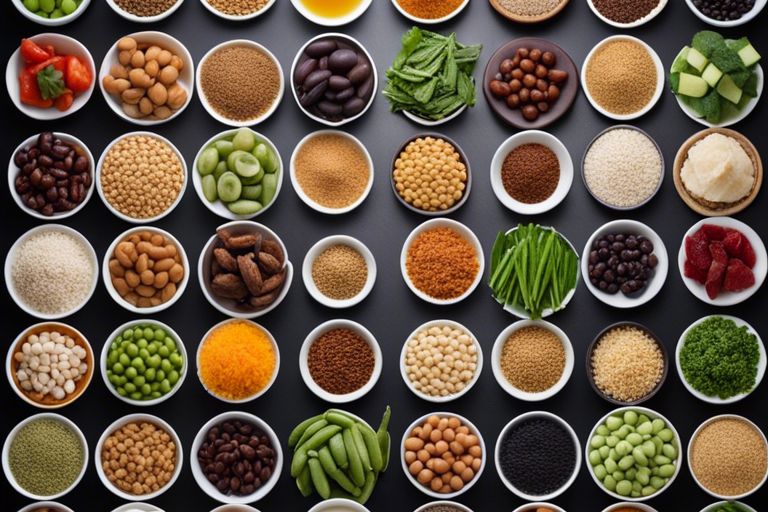
Over recent years, the shift towards plant-based diets has been gaining momentum, and for good reason. Including high protein vegetarian foods in your diet is not only beneficial for your health but also for the environment. These nutrient-dense options pack a powerful punch when it comes to meeting your daily protein needs.
Whether you’re a vegetarian looking to up your protein intake or simply curious about incorporating more plant-based options into your meals, understanding the top 10 high protein vegetarian foods can help you make informed choices about what you put on your plate. Let’s explore into these options that offer a protein-packed punch and cater to various taste preferences.
Lentils
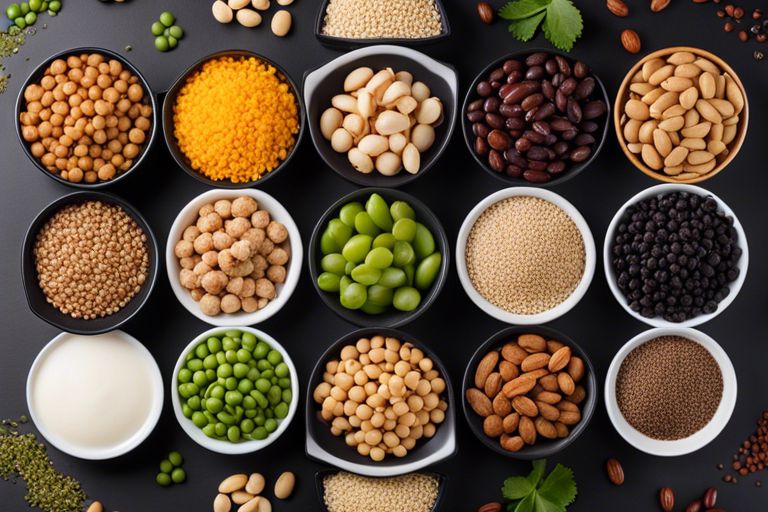
The protein content in lentils is what makes them a staple for vegetarians looking to increase their intake of this crucial nutrient. Lentils are not only rich in protein but also contain a good amount of fiber, iron, and potassium.
One of the most important aspects of lentils is their versatility. They can be used in a variety of dishes, from soups and stews to salads and veggie burgers. This makes it easy to incorporate lentils into your diet on a regular basis.
Lentils are also a great source of complex carbohydrates, which provide a steady release of energy. This can be particularly beneficial for vegetarians who may struggle to get enough calories due to the lack of meat in their diet.
Moreover, lentils are known for their heart health benefits. They can help lower cholesterol levels and reduce the risk of heart disease due to their high fiber and potassium content.
Incorporating lentils into your vegetarian diet is a smart choice if you’re looking to boost your protein intake while reaping a host of other nutritional benefits.
Greek Yogurt
To all the vegetarians out there looking to boost their protein intake, Greek yogurt should definitely be on your radar. This creamy and tangy dairy product is not only delicious but also packed with important nutrients that can benefit your health in numerous ways.
Greek yogurt stands out among other types of yogurt due to its impressive protein content. With up to 10 grams of protein per 100-gram serving, it can be a great addition to your meals or snacks to help meet your daily protein requirements. Protein is crucial for building and repairing tissues in the body, making it a fundamental part of a balanced diet.
Moreover, Greek yogurt is a rich source of calcium, which is important for maintaining strong bones and teeth. It also contains probiotics that promote gut health and boost the immune system. Opting for the plain, unsweetened variety can help you avoid added sugars while reaping all the benefits that Greek yogurt has to offer.
Whether you enjoy it on its own, mixed with fruits and nuts, or used as a creamy topping for savory dishes, Greek yogurt is a versatile ingredient that can easily be incorporated into your vegetarian diet. So, next time you’re meal planning, consider adding Greek yogurt to your grocery list for a protein-packed and nutritious option.
Chia Seeds
Before we probe into the world of chia seeds, it’s important to understand their nutritional prowess. Chia seeds are tiny black seeds that pack a nutritional punch. These little powerhouses are a rich source of plant-based protein, making them a must-have for vegetarians looking to up their protein intake.
One of the most important benefits of chia seeds is their high protein content. These tiny seeds are composed of approximately 14% protein by weight, making them one of the richest plant-based protein sources available. This makes chia seeds an excellent choice for those looking to increase their protein consumption without relying on animal products.
In addition to their protein content, chia seeds are also loaded with other nutrients such as fiber, omega-3 fatty acids, antioxidants, and various vitamins and minerals. These nutrients work together to provide a myriad of health benefits, ranging from improved digestion to reduced inflammation in the body.
For vegetarians and vegans, chia seeds are a great way to ensure they are meeting their daily nutritional requirements, especially when it comes to important amino acids that are typically found in animal products. Incorporating chia seeds into your diet can help support overall health and well-being.
So, whether you sprinkle them on top of your yogurt, blend them into smoothies, or use them as an egg substitute in baking, chia seeds are a versatile and beneficial addition to any vegetarian diet. Don’t underestimate the power of these tiny seeds – they may be small, but their nutritional impact is mighty.
Quinoa
Little known to many, quinoa is one of the few plant-based foods that is considered a complete protein, containing all nine imperative amino acids that the body cannot produce on its own. This makes it an excellent choice for vegetarians and vegans looking to increase their protein intake.
Quinoa is packed with important nutrients such as iron, magnesium, and fiber, making it a highly nutritious addition to any diet. It is also gluten-free, making it a great option for those with gluten sensitivities or celiac disease.
One of the most significant health benefits of quinoa is its high protein content. With approximately 8 grams of protein per cup of cooked quinoa, it can help promote muscle growth and repair, aid in weight loss, and keep you feeling full and satisfied.
Additionally, quinoa is versatile and easy to incorporate into your meals. You can enjoy it as a side dish, in salads, soups, or even as a breakfast cereal alternative. Its nutty flavor and fluffy texture make it a favorite among many health-conscious individuals.
When choosing quinoa, opt for the whole grain variety as it contains more fiber and nutrients than the processed versions. Look for organic quinoa whenever possible to avoid exposure to pesticides and other harmful chemicals.
After all is said and done, quinoa is a nutritional powerhouse that offers a wide range of health benefits, especially for those following a vegetarian or vegan diet. Consider adding this superfood to your meals to boost your protein intake and overall well-being.
Tofu
Now, let’s talk about tofu, a popular plant-based protein source that should have a permanent place in your vegetarian diet. Tofu is a versatile food made from soybeans and is rich in protein, making it an excellent meat substitute for vegetarians and vegans. Not only is tofu a good source of protein, but it also contains all the imperative amino acids our bodies need, making it a complete protein source.
For those looking to increase their protein intake without consuming meat, tofu is an ideal choice. It can be easily incorporated into various dishes, taking on the flavors of the ingredients it’s cooked with. Whether you scramble it for breakfast, include it in stir-fries, or use it in soups and stews, tofu adds a significant protein boost to your meals.
Additionally, tofu is low in calories and high in iron and calcium, making it a nutritious addition to a balanced diet. It’s also a good source of important minerals like magnesium and phosphorus. These nutrients are imperative for maintaining strong bones and overall good health.
When buying tofu, opt for the organic, non-GMO varieties for the best quality and taste. You can choose from different textures such as silken, soft, firm, or extra firm, depending on your recipe needs. Experiment with tofu in your cooking and discover the delicious and nutritious benefits this plant-based protein can offer.
Edamame
Even though edamame is a relative newcomer to the Western world, this young soybean has quickly gained popularity due to its high protein content and health benefits.
Edamame is a powerhouse of plant-based protein, containing around 18.5 grams of protein per cup, making it an excellent source of protein for vegetarians and vegans. This makes it a great choice for those looking to increase their protein intake without consuming animal products.
Aside from its high protein content, edamame is also rich in other imperative nutrients like fiber, iron, calcium, and vitamin C. These nutrients play a vital role in supporting overall health and well-being.
One of the most significant benefits of edamame is its impact on heart health. Edamame is a good source of heart-healthy omega-3 fatty acids and phytochemicals, which can help lower cholesterol levels and reduce the risk of heart disease.
However, it’s imperative to note that edamame is a soy product, and while it offers numerous health benefits, some individuals may be allergic to soy or may need to moderate their intake due to certain health conditions. It’s always best to consult with a healthcare provider or nutritionist before making significant changes to your diet.
Incorporating edamame into your diet is easy – you can enjoy it steamed, boiled, or even roasted as a delicious and nutritious snack. Its versatility makes it a convenient and tasty addition to salads, stir-fries, and even pasta dishes, providing a boost of protein and flavor.
Adding edamame to your diet can help ensure you’re meeting your protein needs while reaping the nutritional benefits this humble soybean has to offer. So, don’t hesitate to include this high-protein vegetarian food in your meal plans for a healthy and balanced diet.
Beans
Some beans are a staple in many vegetarian diets due to their high protein content. They are a great source of plant-based protein, making them an imperative food for vegetarians looking to increase their protein intake. Beans are also packed with fiber, vitamins, and minerals, making them a nutrient-dense food choice.
Beans are incredibly versatile and can be incorporated into a wide range of dishes, from soups and stews to salads and dips. Some of the most popular beans include black beans, chickpeas, kidney beans, and lentils. Whether you enjoy them whole, mashed, or blended into a smooth dip, beans provide a delicious and nutritious addition to any meal.
Research has shown that including beans in your diet can help lower cholesterol levels, regulate blood sugar levels, and promote a healthy gut. Additionally, beans are a cost-effective protein source, making them a budget-friendly option for those looking to boost their protein intake without breaking the bank.
When incorporating beans into your diet, it is important to soak and cook them properly to reduce anti-nutrients and improve digestibility. By preparing beans correctly, you can maximize their nutritional benefits and minimize any digestive discomfort that may occur with improperly cooked beans.
To sum up, beans are a top high-protein vegetarian food that should be included in your diet regularly. With their impressive nutritional profile and versatility in the kitchen, beans are an excellent choice for vegetarians looking to meet their protein needs and enjoy delicious meals at the same time.
Cottage Cheese
Once again, Cottage cheese is an excellent source of vegetarian protein that should be included in your diet. It is not only tasty and versatile but also packs a powerful nutritional punch.
Cottage cheese is rich in casein protein, a slow-digesting protein that is perfect for muscle maintenance and repair. This makes it an ideal protein source for vegetarians looking to increase their protein intake.
In addition to being high in protein, cottage cheese is also a good source of calcium, Vitamin B12, and other vital nutrients that are important for overall health. These nutrients play crucial roles in bone health, nerve function, and metabolism.
One of the key benefits of cottage cheese is its versatility. It can be enjoyed on its own, mixed with fruits or nuts, or used as a creamy topping for dishes. This makes it easy to incorporate into your daily meals in various ways.
When choosing cottage cheese, opt for low-fat or non-fat varieties to keep your calorie and fat intake in check. This way, you can enjoy the benefits of this high-protein food without consuming excessive amounts of saturated fat.
Whether you are a vegetarian looking to increase your protein intake or simply seeking a nutritious addition to your diet, incorporating cottage cheese can be a smart choice. Its protein-packed content and wealth of vital nutrients make it a valuable asset to any vegetarian meal plan.
Peanut Butter
Your diet should include peanut butter as it is a powerhouse of protein that provides a substantial amount of necessary amino acids for vegetarians. This nut butter is a versatile ingredient that can be easily incorporated into your daily meals.
Peanut butter is also rich in healthy fats, particularly monounsaturated fats, that are beneficial for heart health. It also contains fiber, vitamins, and minerals such as vitamin E, magnesium, and potassium.
However, it is necessary to choose natural peanut butter without added sugars and hydrogenated oils to reap the full nutritional benefits without any harmful additives.
Whether you spread it on whole grain toast, mix it into your oatmeal, or blend it into a smoothie, peanut butter adds a delicious nutty flavor and a protein punch to your meals. Incorporate this high-protein vegetarian food into your diet to support your overall health and well-being.
To wrap up
Taking this into account, incorporating high protein vegetarian foods into your diet is crucial for meeting your nutritional needs and maintaining a well-balanced diet. By including a variety of these top 10 high protein vegetarian foods such as tofu, lentils, quinoa, and Greek yogurt, you can ensure that you are getting an adequate amount of protein to support muscle growth, repair, and overall health.
With proper planning and meal preparation, you can easily incorporate these foods into your daily meals and snacks to boost your protein intake. Whether you are a vegetarian looking to increase your protein consumption or simply looking to add more plant-based protein sources into your diet, these top 10 high protein vegetarian foods are both delicious and nutritious options to help you reach your dietary goals.
This article is for informational and educational purposes only. It does not constitute medical advice, diagnosis, or treatment. The information presented is researched from trusted sources including peer-reviewed scientific journals, CDC, NIH, WHO, and recognized health organizations. Always consult a qualified healthcare professional before making any changes to your diet, exercise routine, or health regimen.