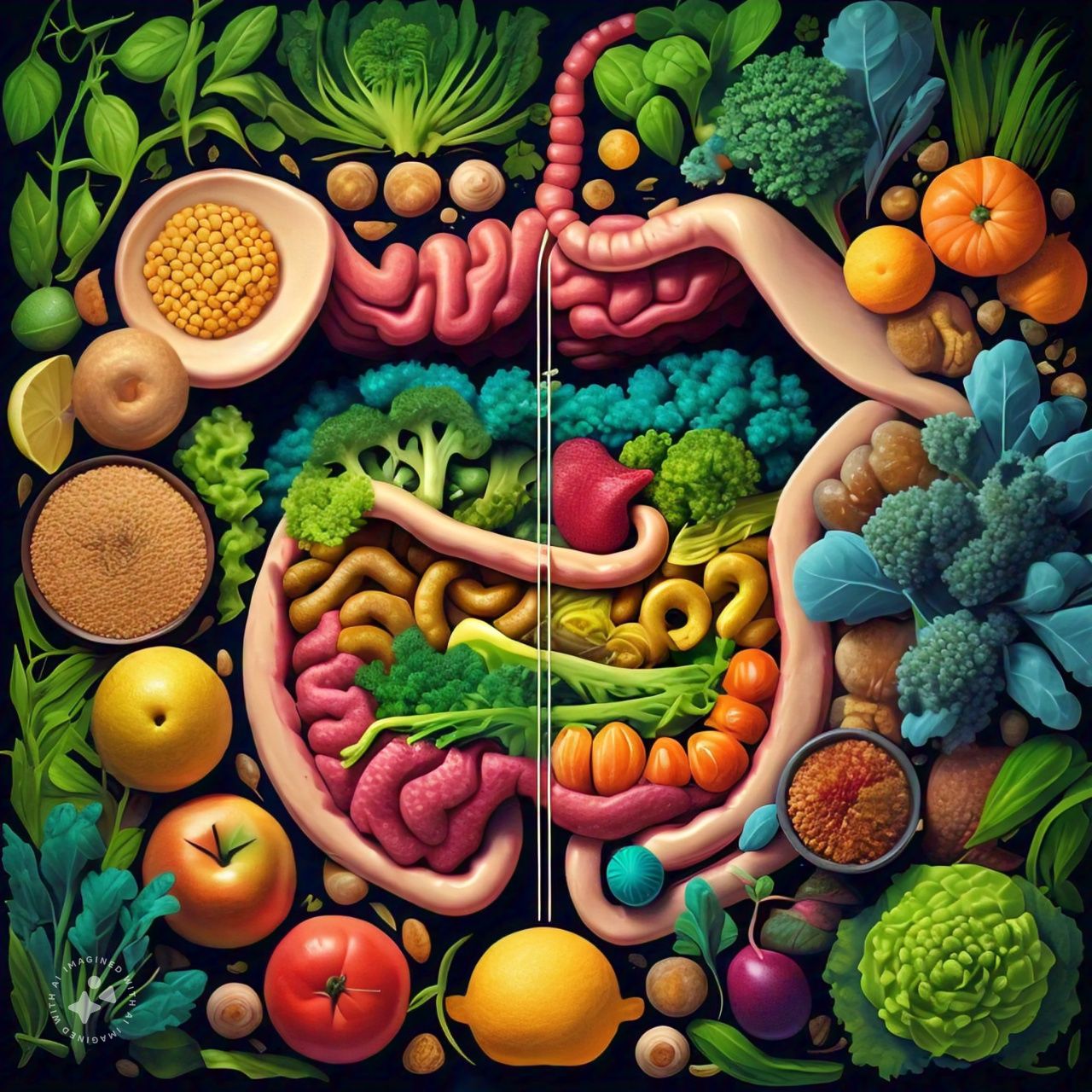
The Environmental and Health Intersection – Why Veganism Is the Future


Environmental concerns are becoming increasingly hard to ignore, as the impact of our choices can have profound effects on both our planet and our health. I want to explore how adopting a vegan lifestyle can significantly reduce greenhouse gas emissions and improve your overall well-being.
Also Read-Vegan Recipe- Jerk sweet potato & black bean curry
By choosing plant-based foods, not only do you contribute to a more sustainable future, but you also lower the risk of chronic diseases like heart disease and diabetes. Join me as we probe into the intersections of environmental sustainability and personal health, uncovering why veganism is not just a trend, but a necessary shift.
The Environmental Impact of Animal Agriculture.
To understand the environmental impact of animal agriculture, I believe it is vital to focus on the various consequences it has on our planet. This industry is one of the leading contributors to environmental degradation, and it plays a significant role in climate change, biodiversity loss, and water pollution. By examining these facets, it becomes clear why I advocate for a shift towards veganism as a fundamental step toward sustainability.
Greenhouse Gas Emissions.
To address the issue of greenhouse gas emissions, it is important to recognize that animal agriculture significantly contributes to the release of methane, nitrous oxide, and carbon dioxide into the atmosphere. Livestock farming accounts for approximately 14.5% of global greenhouse gas emissions, surpassing those emitted by all the world’s cars, planes, and trains combined. The intensive production of beef, in particular, leads to the release of massive amounts of methane, a gas that is over 25 times more potent than carbon dioxide in terms of its heat-trapping abilities.
Deforestation and Habitat Loss.
Between the ongoing deforestation rates and the alarming loss of natural habitats, the impact of animal agriculture cannot be overstated. It is estimated that more than 80% of deforestation in the Amazon rainforest is linked to cattle ranching. As forests are cleared for pastures and feed crops, entire ecosystems face destruction, and biodiversity is severely threatened. These actions not only contribute to climate change but also have devastating effects on local wildlife and indigenous communities that rely on these forests for their livelihoods.
Further evidence shows that as we continue to expand animal agriculture, we are directly leading to the loss of countless species and their habitats. The decline in natural areas disrupts local ecosystems, leading to irreversible consequences such as soil erosion and water scarcity. By recognizing the relationship between animal agriculture, deforestation, and habitat loss, I hope to encourage others to consider the benefits of adopting a vegan lifestyle, which can help mitigate these environmental impacts and lead us toward a more sustainable future.
Health Benefits of a Vegan Diet.
One of the most beneficial aspects of adopting a vegan diet is the nutritional advantages it offers. By focusing on plant-based foods, you can increase your intake of important vitamins, minerals, and antioxidants. Whole grains, fruits, vegetables, nuts, and seeds provide vital nutrients that support your overall health. I’ve found that a vegan diet encourages creativity in meal preparation, allowing for a diverse range of flavors and textures while keeping nutrition at the forefront of my choices. Additionally, it’s easier to avoid processed foods that are often high in unhealthy fats and added sugars, promoting better health outcomes over time.
Nutritional Advantages.
For instance, a vegan diet is typically rich in fiber, which aids in digestion and can contribute to maintaining a healthy weight. Studies have shown that those who follow plant-based regimens tend to consume fewer calories while still feeling full, which can be beneficial for anyone looking to manage their weight. Moreover, the increased intake of phytonutrients found in fruits and vegetables can bolster your immune system and reduce oxidative stress, allowing you to feel more energized and vibrant.
Prevention of Chronic Diseases.
Between the various health benefits, one of the standout advantages of a vegan diet is its role in the prevention of chronic diseases. Research indicates that plant-based eaters have a lower risk of developing conditions such as heart disease, type 2 diabetes, and certain types of cancer. By minimizing your intake of cholesterol-laden animal products and saturated fats, you can effectively lower blood pressure and improve cardiovascular health. I’ve observed that many people who transition to a vegan lifestyle often report significant improvements in their overall well-being.
Further, a vegan diet is associated with lower levels of inflammation in the body, which is a significant factor in the development of chronic diseases. Many animal products can contribute to inflammatory responses, while plant foods are known for their anti-inflammatory properties. Incorporating more whole, plant-based foods into your meals reduces your risk of diseases linked to inflammation, such as rheumatoid arthritis and heart-related issues. By choosing a vegan diet, you not only embrace a healthier lifestyle but also empower your body to defend against serious health complications.
Ethical Considerations.
Some of the most poignant ethical considerations surrounding veganism stem from the profound impact of animal welfare. As I examine the meat and dairy industries, it becomes apparent that countless animals endure significant suffering from confinement, inhumane treatment, and ultimately, slaughter. I believe that by shifting to a vegan lifestyle, you align your food choices with a philosophy that seeks to minimize harm to sentient beings. For many, the decision to embrace veganism is not merely a dietary choice; it’s a deep-seated commitment to reducing the welfare issues inherent in animal agriculture, acknowledging that these animals have the right to live without unnecessary suffering.
Animal Welfare.
For those who prioritize the welfare of animals, the transition towards a vegan diet offers a means of advocacy and change. Each product we choose not to purchase sends a message that we value the lives and dignity of animals. By consuming plant-based foods, you actively contribute to a system that promotes kindness instead of exploitation. This shift can lead to a profound and positive transformation not only in individual lifestyles but also in the societal perception of animals as beings deserving of respect and compassion.
The Moral Imperative.
Below the surface of dietary choices lies the unsettling reality that every bite of animal product perpetuates a cycle of violence and neglect. As you consider your own morals, I encourage you to question whether supporting industries that exploit animals aligns with your values. Adopting a vegan lifestyle does not simply signify a change in your eating habits; it also reflects a deeper commitment to pursuing justice for all living beings. By choosing plant-based foods, you take a definitive stand against the unnecessary suffering inflicted on animals in the food production process.
Animal agriculture is fraught with ethical dilemmas that demand our attention. Through veganism, I feel empowered to challenge the status quo and reject the normalization of violence against animals. By understanding the connections between our choices and their ripple effects on the environment and animal lives, we can foster a culture that prioritizes compassion, ensures a more sustainable future, and acknowledges our ethical responsibilities towards all living beings. Ultimately, it is within our capacity to reshape food systems and redefine our moral landscape for the better.
Economic Implications of Veganism.
All around the world, the shift towards veganism is not only shaping environmental policies and health trends but also redefining economic landscapes. By adopting plant-based diets, you may find that individuals and families can enjoy a more economical approach to their grocery bills, which can yield significant long-term savings. More traditional diets often involve meat and dairy, which can be expensive and contribute to higher food costs due to the intense resources required for livestock farming. When people pivot towards plant-based options, they often find it easier to acquire a variety of nutritious meals for a fraction of the price, driving down overall food expenses.
Cost-Effectiveness of Plant-Based Diets.
Between fresh fruits, vegetables, grains, and legumes, plant-based foods tend to offer a higher nutritional return on investment. For example, purchasing whole grains or legumes in bulk can lead to substantial savings while providing important nutrients. This cost-effectiveness can particularly help low-income families who may struggle with food insecurity. By emphasizing a plant-based diet, they can improve health outcomes and minimize grocery expenditures, paving the way for better financial stability and dietary diversity.
Impact on Food Industry and Employment.
After embracing a plant-based world, we can anticipate significant shifts within the food industry, affecting various sectors from agriculture to retail. As demand for vegan products continues to soar, companies are responding by diversifying their offerings and investing in innovative food technologies, leading to the creation of new jobs. This transformation can foster a sustainable economy where traditional farming practices gradually evolve towards more sustainable and ethical alternatives, ultimately benefiting both the planet and your wallet.
But the transition towards a vegan economy does come with challenges, particularly in terms of employment. As demand for animal products declines, jobs in traditional animal farming could be at risk, prompting the need for retraining initiatives to prepare workers for emerging roles in the plant-based sector. The growth of the vegan food industry can offer new opportunities, but it is important for policymakers and businesses to collaborate on ensuring that all individuals have access to these new job markets. By establishing robust support systems, we can minimize the potential drawbacks while enhancing livelihoods and fostering a more equitable food system for everyone.
Sustainable Practices in Veganism.
Despite the common misconceptions surrounding veganism, I firmly believe that it embodies sustainable practices that not only benefit the individual but also the planet. One of the most significant aspects of this lifestyle is the potential for reducing carbon footprints by choosing plant-based diets. As I explore the implications of veganism, it’s clear to me that sustainable food systems are the future. It’s not merely about abstaining from animal products; it’s about embracing methods that restore ecosystems and promote biodiversity.
Regenerative Agriculture.
Among the sustainable practices associated with veganism, *regenerative agriculture* stands out as a transformative approach to food production. This method focuses on enhancing soil health, promoting biodiversity, and sequestering carbon through practices like crop rotation, agroforestry, and minimized tillage. In my view, fostering a plant-based diet encourages a shift towards these regenerative techniques, which can combat climate change while producing nutrient-dense foods. By adopting regenerative practices, we can break free from the industrial farming methods that deplete soil and harm ecosystems.
Resource Efficiency.
Regenerative practices also enhance *resource efficiency*, a term that encapsulates the optimal use of land, water, and energy in food production. With veganism, the reduction in resource demand is evident; producing plant-based foods generally requires significantly less water and land compared to animal products. This efficiency not only helps in preserving our planet’s natural resources but also mitigates the risks associated with food scarcity as our population continues to grow. Personally, it inspires me to champion a vegan lifestyle as a means to ensure food security and sustainability for future generations.
Even beyond the obvious benefits of eating fewer animal products, the *resource efficiency* linked to veganism highlights the immense potential for saving vital resources. Adopting a plant-based diet can lead to *substantially lower water usage*, as farming animals demands enormous quantities of water for both the animals themselves and the crops grown to feed them. Additionally, we can witness a marked decrease in *land usage*, as plant-based foods tend to yield more calories per acre. Thus, embracing veganism isn’t just a dietary change; it’s a necessary step toward a more sustainable and responsible relationship with our environment.
Overcoming Challenges to Veganism.
After exploring the various benefits of veganism, it’s clear that there are challenges to adopting a plant-based lifestyle. I understand that these hurdles can seem daunting, but they are not insurmountable. Many individuals struggle with transitioning to veganism due to various factors including social pressures, personal habits, and a lack of familiarity with plant-based foods. It’s important to acknowledge these challenges while also recognizing the resources available to help ease the transition. With determination and the right support, you can successfully navigate these obstacles and contribute to a more sustainable future.
Misconceptions and Myths.
After conducting research and talking with others, I’ve come across numerous misconceptions and myths about veganism that often deter people from trying it. One common misconception is that a vegan diet lacks protein. In reality, there are plenty of plant-based sources of protein, such as lentils, beans, tofu, and quinoa. Another myth that surfaces is that vegan food is bland and unappealing. In fact, with the vast array of spices, herbs, and cooking methods available, plant-based meals can be incredibly diverse and flavorful. It’s crucial to dispel these myths if we want to encourage more people to embrace a vegan lifestyle.
Accessibility and Affordability.
An additional challenge that often comes up is the perceived lack of accessibility and affordability of vegan foods. Many believe that adopting a vegan diet is expensive or requires special ingredients that may not be readily available at local grocery stores. However, you can adopt a sustainable vegan lifestyle without breaking the bank. Staples like grains, beans, fruits, and vegetables can be found at a reasonable cost, especially when purchased in bulk or seasonally. By planning meals around these ingredients and being mindful of your spending, you can create a fulfilling vegan diet that suits your budget.
Considering the increasing awareness surrounding environmental sustainability and health, more stores are beginning to stock affordable vegan products. Many communities are also seeing the emergence of local markets and co-ops that prioritize affordability and accessibility of plant-based foods. It’s crucial to focus on whole foods such as fruits, vegetables, grains, and legumes, which are not only nutrient-dense but also often less expensive than processed vegan alternatives. By being resourceful and exploring various options, you can find ways to incorporate veganism into your lifestyle, making it both accessible and affordable.
Final Words
Considering all points, I believe that the intersection of environmental sustainability and health presents a compelling case for veganism as a viable future. As we face the ramifications of climate change and rising health concerns, shifting towards a plant-based diet not only helps in reducing our carbon footprint but also fosters personal well-being. You may find that adopting veganism can significantly reduce your risk of certain diseases and promote a healthier lifestyle overall. In essence, the choices you make in your diet extend beyond your plate and influence the wider world, creating a ripple effect that can lead to positive change.
Moreover, shifting to a vegan lifestyle does not have to be an all-or-nothing proposition. You can start by incorporating more plant-based meals into your diet, gradually understanding how your choices impact both your health and the environment. I encourage you to explore different vegan options and educate yourself about sustainable practices. By doing so, you not only contribute to a healthier planet but also empower yourself with knowledge on how to live a fulfilling and nutritious life. Together, we can advocate for a future where our dietary choices align with our values for a sustainable and healthy world.
This article is for informational and educational purposes only. It does not constitute medical advice, diagnosis, or treatment. The information presented is researched from trusted sources including peer-reviewed scientific journals, CDC, NIH, WHO, and recognized health organizations. Always consult a qualified healthcare professional before making any changes to your diet, exercise routine, or health regimen.