Mental Health and Fitness – How to Stay Balanced

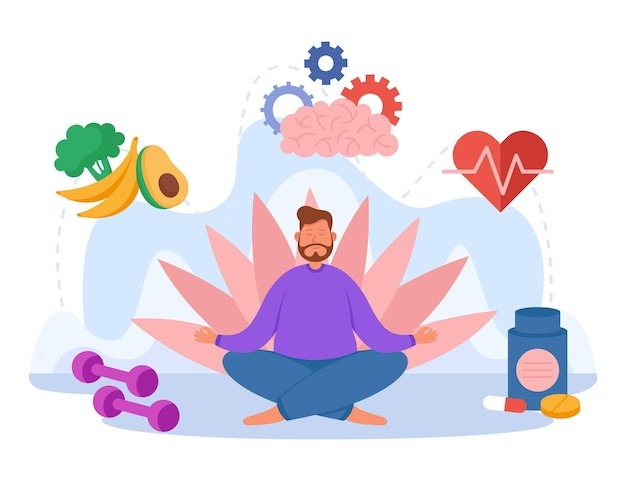
Most people overlook the vital connection between mental health and fitness, yet understanding this relationship can significantly impact your overall well-being. By focusing on regular exercise and self-care practices, you can cultivate a balanced lifestyle that enhances both your physical and mental strength. In this post, you will discover effective strategies to help you prioritize your mental health while maintaining your fitness goals, ensuring you feel your best every day.
Also Read-The ‘Quiet Walking’ Trend: Fitness or Just Another Fad?
Understanding Mental Health and Physical Fitness Connection.
As you explore the intricate relationship between mental health and physical fitness, it becomes clear how intertwined these two aspects of well-being are. Both your mind and body deserve attention, as neglecting one can severely impact the other. Engaging in regular physical activity not only strengthens your body but also plays a vital role in enhancing your emotional and psychological states. Strong physical health can contribute to reduced symptoms of anxiety and depression, while good mental health fosters the motivation and energy needed to sustain a regular exercise routine.
This connection is linked to various biological processes, including brain chemistry and hormones. A proper understanding of how these elements interact can empower you to make informed decisions about your physical activities and mental health practices. By prioritizing both aspects, you position yourself to achieve a truly balanced lifestyle that fosters resilience, improves mood, and enhances overall quality of life.
How Brain Chemistry Affects Physical Performance.
With a complex interplay of neurotransmitters and hormones, brain chemistry plays a significant role in your physical performance. The release of neurotransmitters such as dopamine and serotonin can elevate mood while also affecting your motivation and energy levels during exercise. When these substances are balanced, you may experience improved focus and endurance, which can lead to enhanced workout performance. Conversely, imbalances can negatively impact your enthusiasm for physical activity, leading to a cycle of inactivity that could diminish both mental and physical health.
Furthermore, regular exercise has been shown to stimulate the production of these vital chemicals in your brain, creating a positive feedback loop. As you engage in physical activities, your body’s natural ability to release beneficial neurotransmitters is heightened, resulting in improved mental clarity and better overall performance. By nurturing this connection between brain chemistry and physical fitness, you can optimize your body’s potential while also bolstering your mental resilience.
Impact of Exercise on Mental Well-being.
If you find yourself feeling overwhelmed or stressed, incorporating exercise into your routine might be one of the most beneficial choices you can make for your mental well-being. Regular physical activity can lead to significant improvements in mood, with studies showing that even modest levels of exercise can trigger the release of endorphins, often referred to as the “feel-good” hormones. This physiological response can lower levels of stress and anxiety, allowing you to approach challenges with a more balanced mindset.
Affects like increased self-esteem and social interactions can also stem from maintaining a consistent exercise regimen. As you commit to your fitness journey, you may notice improvements in your body image and confidence levels, further alleviating stress and fostering a positive cycle. The endorphin release from exercise not only uplifts your mood but forms a protective layer against depression and anxiety, reinforcing the idea that your physical health is deeply intertwined with your mental state. Prioritizing this interconnectedness can lead you to make sustainable changes that contribute to an overall healthier and more balanced life.
Key Factors for Mental-Physical Balance.
Clearly, achieving mental-physical balance involves a combination of several key factors that work harmoniously together. Here are some vital elements to consider:
- Sleep Quality
- Nutrition
- Exercise
- Mindfulness
- Social Connection
By focusing on these key factors, you can create a robust system that supports both your mental health and physical fitness. Perceiving these elements as interdependent will help you stay balanced and thrive in your daily life.
Sleep Quality and Recovery.
Now, let’s look into the impact of sleep quality and recovery on your mental and physical health. The amount and quality of sleep you get each night play a significant role in regulating your mood, cognitive functions, and overall well-being. Prioritizing sleep can enhance your ability to recover from physical activities, making you feel more energized and ready to tackle daily challenges. Aim for at least 7-9 hours of restful sleep each night to reap the full benefits of recovery.
Additionally, establishing a consistent sleep routine, creating a calming bedtime environment, and minimizing screen time before bed will greatly improve your sleep quality. Do not underestimate the power of sleep in your journey towards mental wellness and physical fitness, as it can dramatically influence how you feel both mentally and physically.
Stress Management Techniques.
Stress, when left unchecked, can have detrimental effects on your physical and mental health. Finding effective stress management techniques is vital for maintaining your balance. Incorporate practices such as deep breathing exercises, meditation, yoga, and physical activity into your routine to help alleviate stress. By embracing these strategies, you’ll be better equipped to face challenges and keep your emotions in check.
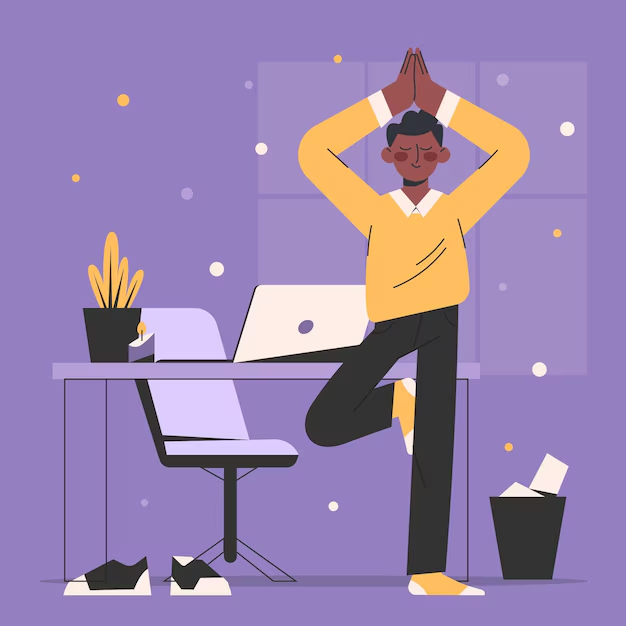
It is important to recognize that not all stress is negative; some stress can motivate you. However, excessive stress can lead to significant health issues such as anxiety, depression, and even heart disease. Engaging in regular exercise can also act as a positive coping mechanism. As you learn to implement these stress management techniques into your daily life, you’ll find yourself in a more balanced and fulfilling state of mind and body.
Creating an Effective Wellness Routine.
Some individuals find it challenging to establish a wellness routine that addresses both mental health and physical fitness. The good news is that with a thoughtfully structured plan, you can create a routine that promotes a balanced lifestyle. Incorporating a blend of activities that enhance your well-being allows you to achieve your personal health goals while nurturing your mind and body. Your wellness routine should be flexible, accommodating your unique needs and preferences, while encouraging stability in your daily life.
Daily Exercise Implementation Tips.
If you want to maximize the benefits of physical activity for your mental health, consider these daily exercise implementation tips that can help you stay committed:
- Establish a consistent time for your workouts to develop a routine.
- Choose activities you genuinely enjoy to make exercise feel less like a chore.
- Set realistic fitness goals to track your progress and stay motivated.
- Incorporate a mix of cardiovascular, strength, and flexibility exercises.
- Engage in outdoor activities when possible to experience the benefits of nature.
Recognizing the importance of integrating exercise into your daily life can significantly enhance your overall well-being and mental health. By fostering a positive outlook through regular physical activity, you create a foundation for resilience against daily stressors.
Mental Health Practice Integration.
On the path to a well-rounded wellness routine, integrating mental health practices into your daily life is necessary. This can include mindfulness exercises, journaling, or simply taking time to reflect on your feelings. By intentionally carving out time for these valuable practices, you foster a deeper connection between your mind and body while enhancing your emotional resilience and stress management. Building a wellness routine rich in these elements can truly transform your overall health experience.
Wellness is not just about physical fitness; it intertwines with your mental health practices as well. Incorporating techniques such as mindfulness meditation, practicing gratitude, and engaging in cognitive-behavioral strategies can help you develop a stronger sense of awareness and control over your emotions. Moreover, focusing on a balanced diet, adequate sleep, and social connections can further contribute to a more stable mental state. You have the ability to develop a holistic approach to wellness, emphasizing the positive impact that well-rounded practices have on both your physical and emotional health. By prioritizing these elements, you pave the way for a healthier, happier you, while actively reducing the risks associated with neglecting your mental well-being.
Nutrition for Mental and Physical Health.
Unlike what many believe, nutrition extends beyond just physical fitness; it plays a significant role in mental health as well. A well-balanced diet can enhance your mood, increase your energy levels, and improve overall cognitive function. Key nutrients—such as omega-3 fatty acids, antioxidants, vitamins, and minerals—can have a profound impact on your brain health, supporting emotional stability and reducing anxiety. Prioritizing nutrition not only fuels your body, but it also fortifies your mind, creating a holistic approach to wellness.
Foods That Boost Mood and Energy.
You might be surprised to learn that certain foods can significantly elevate your mood and energy levels. Incorporating complex carbohydrates like whole grains, along with lean proteins from sources such as chicken, fish, and legumes, can stabilize blood sugar and boost your serotonin levels, helping you feel more balanced and focused. Additionally, nutrient-dense options like dark leafy greens, berries, and nuts provide antioxidants and other imperative vitamins that nourish your brain, making you feel more alert and capable of tackling daily challenges.
Hydration and Supplement Guidelines.
Energy is often overlooked when considering hydration, yet it is foundational to sustaining both mental and physical health. Drinking sufficient amounts of water not only supports bodily functions but also helps maintain optimal cognitive function and mood stability. If you find it difficult to drink enough water, try incorporating herbal teas or hydrating foods like cucumbers and watermelon into your diet. Beyond hydration, consider supplements like omega-3 fatty acids and B vitamins, which can help bridge any nutritional gaps and support your mental well-being.
Physical wellness greatly depends on how well you stay hydrated and whether you incorporate appropriate supplements. Dehydration can lead to fatigue, mood swings, and impaired cognitive performance, so make it a priority to drink water consistently throughout the day. Furthermore, certain supplements, such as magnesium and zinc, are linked to improved mental health, aiding in alleviating symptoms of stress and anxiety. By focusing on hydration and thoughtful supplementation, you are fortifying your body and mind for enhanced performance and well-being.

Building Sustainable Habits.
All individuals seeking to improve their mental health and fitness must focus on building sustainable habits. This process involves integrating healthy practices into your daily routine in a way that feels natural and manageable. It’s necessary to prioritize consistency over perfection, as the aim is not to achieve immediate results but to create lasting changes that promote overall well-being. As you begin on this journey, consider how your choices align with your values and long-term goals, which can keep your motivation high and your progress steady.
Setting Realistic Goals and Expectations.
Any successful habit-building journey begins with setting realistic goals and expectations. You need to assess your current lifestyle and identify what changes are both feasible and desirable. Setting specific, measurable, achievable, relevant, and time-bound (SMART) goals can help clarify your objectives and keep you accountable. Aiming for small, incremental changes rather than dramatic transformations can lead to a more sustainable approach, allowing you to celebrate your successes along the way and build a sense of accomplishment.
Tracking Progress and Adjusting Routines.
For effective habit formation, it’s vital to track your progress and adjust your routines as needed. Keeping a journal or using an app to log your workouts, meals, and mental health practices can provide insight into what is working and what is not. This process allows you to identify patterns, recognize improvements, and make informed adjustments based on your shifting needs and goals. You may find that different strategies work better for you at various times, and being flexible will empower you to stay committed to your mental and physical well-being.
Another effective strategy for tracking progress is to involve yourself in regular self-reflection, examining not only your physical achievements but also your emotional and mental states. Consider how certain activities or lifestyle choices are positively impacting your holistic well-being. This kind of reflection can also help you identify any dangerous habits or triggers that might undermine your progress. By taking the time to evaluate your experiences and adjust your routines accordingly, you can enhance your resilience and pave the way for long-term success in both fitness and mental health.
Overcoming Common Challenges.
Despite the growing awareness surrounding mental health and fitness, many people face significant barriers that hinder their progress. These challenges can stem from a lack of motivation, time constraints, or even feelings of self-doubt.
Understanding how to navigate these common issues is vital for maintaining your mental well-being while pursuing your fitness goals. By identifying the obstacles in your path, you can develop effective strategies to overcome them and achieve a more balanced, healthier lifestyle.
Dealing with Motivation Issues.
Even the most dedicated individuals can find themselves struggling with motivation from time to time. This can manifest in various forms, such as procrastination or a feeling of being overwhelmed by your goals. To combat this, it’s crucial to establish a routine that stimulates your enthusiasm for both fitness and mental wellness.
Setting realistic goals and celebrating small achievements can inspire you to keep pushing forward when your motivation seems low. Furthermore, consider surrounding yourself with supportive individuals who share similar interests, as this can create a positive environment that energizes you.
Managing Time Constraints.
Overcoming time constraints is a common challenge that many individuals face while trying to stay committed to their mental health and fitness objectives. When your schedule feels packed with work and personal responsibilities, it can be easy to deprioritize self-care.
However, recognizing the importance of your mental health as a foundation for productivity can shift your perspective. By re-evaluating your daily commitments and identifying pockets of time that can be devoted to fitness activities, even short sessions can be effective. Embrace the idea that every minute counts; whether it’s a quick workout during lunch or a few minutes of mindfulness in the morning, these small changes can add up significantly.
Common time constraints can make prioritizing fitness and mental wellness seem daunting, but they can often be managed with intentional planning. Consider creating a weekly schedule that incorporates both your fitness routine and mental health practices, such as meditation or journaling.
This can help you visualize where your time goes and identify opportunities for improvement. Staying flexible in your approach will also ensure that your self-care efforts remain consistent, even when life becomes hectic. Ultimately, the goal is to integrate mental health and fitness into your daily life, making them non-negotiable aspects of your routine.
Final Words
Presently, maintaining a balance between mental health and fitness is not just beneficial; it is necessary for your overall well-being. Integrating regular exercise into your routine can significantly enhance your mood, reduce anxiety, and improve cognitive function. As you explore various forms of physical activity, from yoga to strength training, you will find that the positive impacts extend beyond just your physical state, positively influencing your mental resilience and emotional stability. Taking the time to assess your personal interests in fitness can help you build a sustainable regimen that aligns with your lifestyle while also fostering a supportive mental space.
Additionally, nurturing your mental health through mindfulness practices and self-care strategies is equally important in maintaining this balance. Activities such as journaling, meditation, or simply taking time to unwind are beneficial for your mental clarity and emotional health. By committing to a holistic approach, you empower yourself to not only enhance your physical fitness but also cultivate a stable and healthy mindset. The journey towards balance is ongoing, and making small, sustainable changes can lead to significant improvements in both your mental and physical well-being. Embrace the process, be patient with yourself, and enjoy the transformative benefits that come with a balanced approach to health and fitness.
FAQ.
Q: How can physical fitness contribute to mental health?
A: Engaging in regular physical activity can enhance your mental well-being in several ways. Exercise stimulates the production of endorphins, which are hormones that promote feelings of happiness and reduce stress. Additionally, physical fitness can improve sleep quality, boost self-esteem, and provide a sense of accomplishment. Activities like yoga and tai chi also incorporate mindfulness and meditation, which can further help reduce anxiety and improve mood.
Q: What role does nutrition play in maintaining mental wellness?
A: Nutrition has a significant impact on both physical and mental health. A balanced diet filled with whole foods, such as fruits, vegetables, lean proteins, and whole grains, can support brain health. Certain nutrients, such as omega-3 fatty acids, B vitamins, and antioxidants, are linked to mood regulation and cognitive function. Avoiding excessive processed foods, sugars, and caffeine can also help in stabilizing emotions and reducing irritability.
Q: How can mindfulness practices aid in balancing mental health and fitness?
A: Mindfulness practices, such as meditation and deep-breathing exercises, can significantly contribute to emotional regulation and stress management. By focusing on the present moment and cultivating awareness, individuals can develop a greater sense of control over their thoughts and feelings. Incorporating mindfulness into your fitness routine, whether through mindful walking or yoga, can enhance the overall experience, making it more enjoyable and allowing for a deeper connection between the mind and body.
Disclaimer:
This article is for informational purposes only and does not constitute medical advice. The information provided is based on current understanding and may change as new data becomes available. Always consult with a qualified healthcare professional for medical advice, diagnosis, or treatment. The authors and publishers of this article are not responsible for any errors or omissions, or for the results obtained from the use of this information.
This article is for informational and educational purposes only. It does not constitute medical advice, diagnosis, or treatment. The information presented is researched from trusted sources including peer-reviewed scientific journals, CDC, NIH, WHO, and recognized health organizations. Always consult a qualified healthcare professional before making any changes to your diet, exercise routine, or health regimen.