
Contents
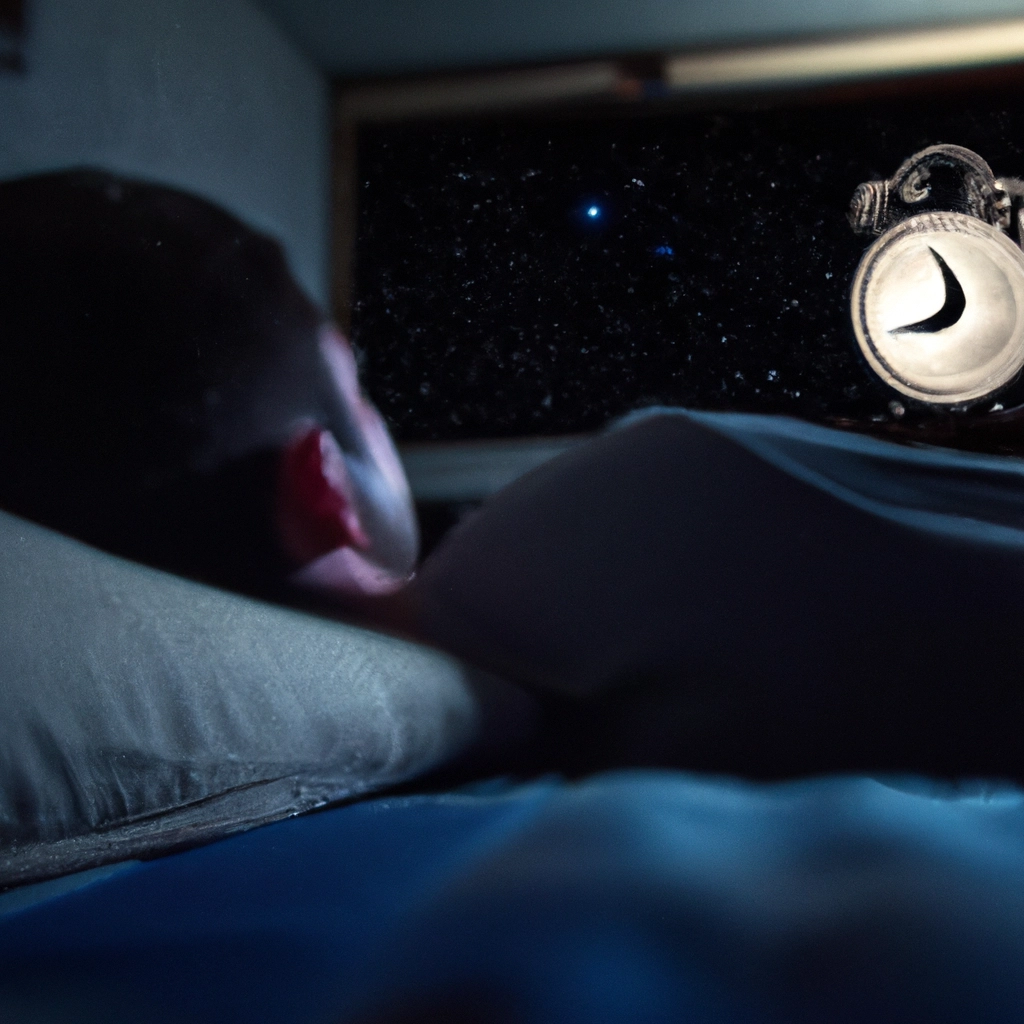
Chronic insomnia is a sleep disorder characterized by difficulty falling asleep, staying asleep, or waking up too early, lasting for at least three months.
It is estimated that chronic insomnia affects about 10% of the adult population, with women being more likely to experience it than men.
Understanding Chronic Insomnia
Differentiating acute and chronic insomnia
Acute insomnia is brief and often occurs due to stress or a specific event, lasting up to three months. On the other hand, chronic insomnia occurs when a person experiences sleep difficulties at least three nights a week for a month or longer.
While acute insomnia has a clear cause, chronic insomnia can persist without a specific trigger, leading to ongoing sleep troubles.
Impact of chronic insomnia on daily life
Chronic insomnia can substantially impact daily life, leading to lower job or school performance, increased risk of accidents due to slowed reaction time, and higher susceptibility to mental health disorders such as depression, anxiety, and substance abuse. It also contributes to physical health issues like weak immunity, sensitivity to pain, inflammation, obesity, diabetes, and high blood pressure, indicating the extensive and profound impact of chronic insomnia on overall well-being.
Causes of Chronic Insomnia
Psychological factors
Psychological factors such as anxiety, depression, and bipolar disorder can lead to chronic insomnia. These conditions often give rise to persistent negative thoughts and mental hyperarousal, which disrupts sleep.
It is estimated that 40% of individuals with insomnia have an underlying mental health disorder, highlighting the strong association between psychological factors and chronic insomnia.
Medical conditions
Numerous medical conditions are linked with chronic insomnia, including chronic pain, cancer, diabetes, heart disease, asthma, and gastroesophageal reflux disease (GERD). These conditions can significantly impact an individual’s ability to fall asleep and stay asleep, leading to chronic insomnia.
For example, individuals experiencing chronic pain may find it challenging to peacefully drift off, ultimately contributing to their insomnia.
Lifestyle factors
Sleep health is influenced by various lifestyle factors, including physical inactivity, smoking, alcohol intake, poor diet, and irregular sleep patterns. Engaging in sedentary behavior, consuming imbalanced diets, and experiencing irregular sleep patterns can contribute to the onset and maintenance of chronic insomnia.
It’s crucial to address these lifestyle factors to improve sleep quality and mitigate the risk of chronic insomnia.
| Psychological Factors | Medical Conditions | Lifestyle Factors |
|---|---|---|
| Anxiety | Chronic pain | Physical inactivity |
| Depression | Cancer | Smoking |
| Bipolar disorder | Diabetes | Alcohol intake |
Symptoms of Chronic Insomnia
Difficulty falling asleep
People with chronic insomnia often struggle to fall asleep, spending a significant amount of time tossing and turning in bed. Even when they feel tired, the ability to transition into a peaceful slumber eludes them, leading to frustration and anxiety.
Waking up during the night
Individuals dealing with chronic insomnia frequently find themselves waking up multiple times throughout the night. This constant disruption to their sleep cycle results in a fragmented and restless night’s rest, leaving them feeling fatigued and irritable the following day.
Feeling tired upon waking
Upon waking, those struggling with chronic insomnia experience a profound sense of fatigue and exhaustion, regardless of the quantity of sleep obtained. This persistent tiredness impacts their ability to function optimally throughout the day, affecting their mental and physical well-being.
Diagnosis of Chronic Insomnia
Medical history
Chronic insomnia diagnosis often begins with a detailed medical history. This involves discussing the patient’s sleep patterns, sleep environment, lifestyle, and any underlying health conditions or medications that may affect sleep.
The healthcare provider may inquire about the duration and severity of the insomnia, as well as its impact on daily functioning, to gain insights into the root causes.
Sleep diary
Maintaining a sleep diary is a valuable tool in diagnosing chronic insomnia. It involves recording the individual’s bedtime, wake time, sleep interruptions, daytime naps, sleep quality, and consumption of substances like alcohol and caffeine.
This helps the healthcare provider understand the sleep patterns and identify any irregularities or behaviors that may contribute to the insomnia.
Polysomnography
For complex cases, polysomnography, also known as a sleep study, may be conducted to diagnose chronic insomnia. This comprehensive test records brain activity, oxygen levels, heart rate, breathing, eye movements, and leg movements during sleep.
It provides detailed insights into sleep architecture and abnormalities, aiding in the precise diagnosis and formulation of a tailored treatment plan.
Treatment Options for Chronic Insomnia
Cognitive behavioral therapy
Cognitive behavioral therapy (CBT) is a highly effective psychological intervention for managing chronic insomnia. By addressing negative thought patterns and behaviors that contribute to sleep disturbances, CBT helps individuals reframe their mindset and establish healthy sleep habits.
Through cognitive restructuring and behavioral modifications, CBT aims to alleviate the underlying causes of chronic insomnia, promoting better sleep quality and duration.
Medications
Medications can be prescribed to manage chronic insomnia, particularly when CBT or other non-pharmacological interventions have not provided sufficient relief. Examples of medications commonly used to treat chronic insomnia include benzodiazepine receptor agonists and certain antidepressants.
These medications work by targeting specific receptors in the brain to enhance sleep onset, duration, and quality, offering symptomatic relief for individuals with chronic insomnia.
Alternative therapies
In addition to traditional treatment approaches, alternative therapies such as relaxation techniques, meditation, and mindfulness practices have shown promising results in managing chronic insomnia. These holistic approaches focus on calming the mind and body, reducing stress and anxiety, and promoting overall relaxation conducive to improved sleep.
Incorporating alternative therapies alongside conventional interventions can provide a comprehensive and personalized approach to addressing chronic insomnia.

Lifestyle Changes to Manage Chronic Insomnia
Improving sleep environment
Making your sleep environment conducive to relaxation is vital for managing chronic insomnia. It involves optimizing the bedroom for light, noise levels, temperature, and comfort.
Simple updates like using lavender essential oil, controlling light and noise, regulating temperature, and investing in a comfortable mattress and pillows can significantly enhance sleep quality.
Establishing a bedtime routine
Establishing a consistent bedtime routine trains your brain to naturally feel tired at the designated sleep time. This can involve scheduling a set bedtime, avoiding electronic devices that emit blue light, having a light snack or bedtime tea, and taking a warm bath to align with your body’s hormonal changes preparing you for sleep.
Consistency in your bedtime routine reinforces your body’s sleep-wake cycle, contributing to better sleep quality.
Limiting caffeine and alcohol intake
To manage chronic insomnia, it’s crucial to limit caffeine intake at least eight hours before bedtime to ensure better sleep quality. Similarly, reducing alcohol consumption and refraining from drinking alcohol at least four hours before bedtime can help reduce the risk of sleep disruptions.
By adhering to these lifestyle changes, individuals can effectively address chronic insomnia and improve their overall sleep quality.

Conclusion
Chronic insomnia is a serious condition that can have a significant impact on an individual’s overall health and well-being. The persistent inability to fall asleep or stay asleep can lead to daytime fatigue, irritability, and difficulty focusing on daily tasks.
It is important for individuals experiencing chronic insomnia to seek professional medical help in order to address the underlying causes and explore appropriate treatment options.
Furthermore, chronic insomnia can increase the risk of developing other health issues, such as anxiety, depression, and certain medical conditions. The long-term effects of untreated chronic insomnia can also contribute to a decline in cognitive function, impaired work performance, and a heightened risk of accidents.
Seeking timely intervention and adopting healthy sleep habits are crucial in managing chronic insomnia and improving overall quality of life.
Chronic insomnia can have a significant impact on an individual’s physical, mental, and emotional well-being. It is essential for individuals experiencing chronic insomnia to prioritize their sleep hygiene, seek medical support, and explore various treatment options to effectively manage their condition.
By addressing chronic insomnia, individuals can experience improved sleep quality, enhanced daytime functioning, and a better overall quality of life.
[faq_section title=”Frequently Asked Questions”]
[faq question=”Can chronic insomnia go away?” answer=”In many cases, insomnia can go away with positive sleep habits and identifying the cause to make changes. However, it may also be a symptom of an underlying health condition or medication side effects.”]
[faq question=”How do you fall asleep with chronic insomnia?” answer=”Diagnosing chronic insomnia requires having difficulty falling asleep despite the right environment, and cognitive behavioral therapy (CBT) can effectively treat long-term sleep problems like insomnia.”]
[faq question=”How do you break an insomnia cycle?” answer=”To break the insomnia cycle, resetting your circadian rhythm and establishing a consistent sleep schedule can help, along with avoiding habits that could sabotage your sleep, such as exposure to blue light before bed.”]
[faq question=”How I cured my lifelong insomnia?” answer=”Various methods may work temporarily, but understanding the underlying cause and treating it, along with avoiding clock-watching during sleepless nights, can contribute to overcoming chronic insomnia.”]
[/faq_section]

Hi there!
I’m C.K. Gupta, the founder and head writer at FitnTip.com. With a passion for health and wellness, I created FitnTip to share practical, science-backed advice to help you achieve your fitness goals.
Over the years, I’ve curated valuable information from trusted resources on topics like nutrition, exercise, weight loss, and overall well-being. My aim is to distill this knowledge into easy-to-understand tips and strategies you can implement in your daily life.
Whether you’re looking to get in shape, eat healthier, or simply feel your best, FitnTip is here to support and guide you. I believe that everyone has the potential to transform their health through sustainable lifestyle changes.
When I’m not researching the latest health trends or writing for FitnTip, you can find me trying out new fitness routines, experimenting with nutritious recipes, and spending quality time with loved ones.
I’m excited to have you join our community as we embark on this wellness journey together. Let’s make positive, lasting changes and unlock a healthier, happier you!


