Contents
- 1 Understanding Anxiety.
- 2 The Need for Holistic Approaches for Anxiety.
- 3 Mindfulness Meditation for Anxiety.
- 4 Herbal Remedies for Anxiety.
- 5 Aromatherapy for Anxiety.
- 6 Acupuncture for Anxiety.
- 7 Exercise For Anxiety.
- 8 Nutrition.
- 9 Cognitive-Behavioral Therapy (CBT).
- 10 Combining Holistic Approaches.
- 11 Real-Life Success Stories.
- 12 Recent Studies and Research.
- 13 Conclusion.
Anxiety is a common mental health condition that affects millions of people worldwide. It manifests in various forms, including generalized anxiety disorder (GAD), panic disorder, social anxiety disorder, and specific phobias. While conventional treatments such as pharmacotherapy and cognitive-behavioral therapy (CBT) are effective for many, a growing number of individuals are turning to holistic approaches to manage their anxiety.
These methods often focus on treating the whole person—mind, body, and spirit—rather than just the symptoms. This article explores various holistic approaches to anxiety and how combining these methods can yield the best results.
Also Read-Meditation Techniques for Anxiety: A Beginner’s Guide
Understanding Anxiety.
Anxiety is a natural response to stress and can be beneficial in certain situations, such as avoiding danger or preparing for a significant event. However, when anxiety becomes chronic and overwhelming, it can interfere with daily life and lead to various physical and emotional symptoms. Common symptoms of anxiety include:
- Racing thoughts
- Increased heart rate
- Muscle tension
- Difficulty concentrating
- Irritability
- Sleep disturbances
The Need for Holistic Approaches for Anxiety.
Traditional treatments for anxiety, such as medication and psychotherapy, are effective but may not address the root causes of anxiety for everyone. Medications can have side effects, and not all individuals respond well to them.
Holistic approaches aim to treat the underlying causes of anxiety by focusing on lifestyle changes, natural remedies, and mind-body practices. These methods can be used alone or in combination with conventional treatments to enhance their effectiveness.
Mindfulness Meditation for Anxiety.
Mindfulness meditation is a practice that involves focusing on the present moment without judgment. It helps individuals become aware of their thoughts, feelings, and bodily sensations, allowing them to observe these experiences without becoming overwhelmed by them.
Research has shown that mindfulness meditation can reduce symptoms of anxiety by promoting relaxation and improving emotional regulation.
How to Practice Mindfulness Meditation.
- Find a Quiet Space: Choose a quiet and comfortable place where you won’t be disturbed.
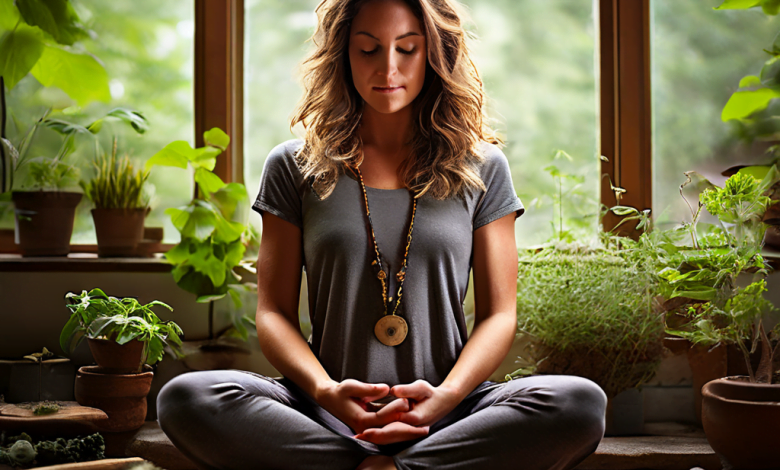
- Sit Comfortably: Sit in a comfortable position with your back straight and your hands resting on your lap.
- Focus on Your Breath: Close your eyes and focus on your breath. Notice the sensation of the air entering and leaving your nostrils.
- Observe Your Thoughts: As you meditate, thoughts will inevitably arise. Instead of trying to suppress them, observe them without judgment and gently bring your focus back to your breath.
- Practice Regularly: Aim to practice mindfulness meditation for at least 10-20 minutes daily.
Yoga for Anxiety.
Yoga is an ancient practice that combines physical postures, breathing exercises, and meditation to promote overall well-being. It has been shown to reduce symptoms of anxiety by increasing relaxation, improving mood, and enhancing physical health.
Types of Yoga for Anxiety.
- Hatha Yoga: Focuses on gentle postures and breathing techniques, making it suitable for beginners.
- Vinyasa Yoga: Involves a series of flowing movements coordinated with breath, promoting physical and mental balance.
- Yin Yoga: Emphasizes holding poses for extended periods, allowing for deep relaxation and stress relief.
- Restorative Yoga: Uses props to support the body in passive poses, promoting deep relaxation and healing.
Herbal Remedies for Anxiety.
Herbal remedies have been used for centuries to treat various ailments, including anxiety. Some herbs have calming properties that can help reduce anxiety symptoms without the side effects associated with conventional medications.
Common Herbs for Anxiety.
- Chamomile: Known for its calming effects, chamomile can be consumed as a tea or taken in supplement form.
- Lavender: Often used in aromatherapy, lavender essential oil can be inhaled or applied to the skin to promote relaxation.
- Passionflower: This herb has been shown to reduce symptoms of anxiety and improve sleep quality.
- Kava: Known for its calming effects, kava can help reduce anxiety but should be used with caution due to potential liver toxicity.
- Ashwagandha: An adaptogen that helps the body manage stress, ashwagandha can reduce anxiety and improve overall well-being.
Aromatherapy for Anxiety.
Aromatherapy involves using essential oils to promote physical and emotional well-being. Certain scents can have a calming effect on the mind and body, making aromatherapy a useful tool for managing anxiety.
How to Use Aromatherapy for Anxiety.
- Diffusers: Use an essential oil diffuser to disperse calming scents like lavender, chamomile, or bergamot throughout your home.
- Inhalation: Inhale essential oils directly from the bottle or by placing a few drops on a tissue.
- Topical Application: Dilute essential oils with a carrier oil and apply them to your skin, focusing on pulse points like the wrists and temples.
- Baths: Add a few drops of essential oil to your bathwater for a relaxing soak.
Acupuncture for Anxiety.
Acupuncture is a traditional Chinese medicine practice that involves inserting thin needles into specific points on the body to balance the flow of energy (Qi). Research has shown that acupuncture can reduce symptoms of anxiety by promoting relaxation and improving overall well-being.
How Acupuncture Works.
- Initial Consultation: The acupuncturist will assess your overall health and identify the underlying causes of your anxiety.
- Needle Insertion: Thin needles are inserted into specific points on the body to stimulate the flow of energy.
- Relaxation: The needles are left in place for 20-30 minutes while you relax.
- Follow-Up Sessions: Regular sessions are recommended to achieve the best results.
Exercise For Anxiety.
Regular physical activity is one of the most effective ways to reduce anxiety. Exercise releases endorphins, which are natural mood lifters, and helps reduce stress hormones like cortisol.
Types of Exercise for Anxiety.
- Aerobic Exercise: Activities like running, swimming, and cycling can help reduce anxiety by increasing endorphin levels.
- Strength Training: Lifting weights can improve physical strength and boost self-esteem, reducing anxiety.
- Mind-Body Exercises: Practices like yoga and tai chi combine physical movement with mindfulness, promoting relaxation and reducing anxiety.
Nutrition.
A balanced diet plays a crucial role in managing anxiety. Certain nutrients can help regulate mood and reduce anxiety symptoms.
Nutrients for Anxiety.
- Omega-3 Fatty Acids: Found in fatty fish, flaxseeds, and walnuts, omega-3s can reduce inflammation and improve brain function.
- Magnesium: This mineral helps regulate the nervous system and can be found in leafy greens, nuts, and whole grains.
- B Vitamins: Essential for brain health, B vitamins can be found in whole grains, eggs, and leafy greens.
- Probiotics: Found in fermented foods like yogurt and sauerkraut, probiotics can improve gut health and reduce anxiety.
Cognitive-Behavioral Therapy (CBT).
While CBT is a conventional treatment, it can be combined with holistic approaches to enhance its effectiveness. CBT helps individuals identify and change negative thought patterns and behaviors that contribute to anxiety.
How CBT Works.
- Assessment: The therapist assesses your anxiety symptoms and identifies the underlying thought patterns.
- Goal Setting: Together, you set specific goals for treatment.
- Cognitive Restructuring: You learn to identify and challenge negative thoughts and replace them with more positive and realistic ones.
- Behavioral Activation: You engage in activities that promote positive emotions and reduce anxiety.
Combining Holistic Approaches.
Combining multiple holistic approaches can provide a comprehensive and effective strategy for managing anxiety. Here are some ways to integrate these methods:
- Mindfulness and Yoga: Practicing mindfulness meditation before or after a yoga session can enhance relaxation and reduce anxiety.
- Herbal Remedies and Aromatherapy: Using calming herbs like chamomile and lavender in combination with aromatherapy can provide a powerful calming effect.
- Exercise and Nutrition: Regular physical activity combined with a balanced diet can improve overall well-being and reduce anxiety.
- Acupuncture and CBT: Combining acupuncture with CBT can address both the physical and psychological aspects of anxiety.
Real-Life Success Stories.
Many individuals have found relief from anxiety by combining holistic approaches. Here are a few real-life success stories:
- Sarah’s Story: Sarah struggled with generalized anxiety disorder for years. She found that combining mindfulness meditation, yoga, and a balanced diet helped her manage her symptoms. By practicing mindfulness daily and attending yoga classes three times a week, Sarah was able to reduce her anxiety and improve her overall well-being.
- John’s Story: John experienced severe anxiety and panic attacks. He started using lavender essential oil in a diffuser and practiced deep breathing exercises daily. Additionally, he incorporated regular exercise and acupuncture sessions into his routine. Over time, John’s anxiety symptoms significantly decreased, and he felt more in control of his life.
- Emily’s Story: Emily dealt with social anxiety and found it challenging to interact with others. She began taking chamomile supplements and practicing CBT with a therapist. By combining these approaches, Emily was able to challenge her negative thoughts and reduce her anxiety in social situations.
Recent Studies and Research.
Recent studies have shown the effectiveness of holistic approaches in managing anxiety. Here are some key findings:
- Mindfulness Meditation: A study conducted at the University of Waterloo found that just 10 minutes of mindfulness meditation can help reduce ruminative thought patterns and improve focus in individuals with anxiety.
- Yoga: A systematic review and meta-analysis published in PubMed revealed that yoga has small to large effects on reducing anxiety and depression symptoms, particularly in individuals with elevated levels of anxiety.
- Herbal Remedies: Research has shown that chamomile can help alleviate symptoms of generalized anxiety disorder, and lavender essential oil can reduce anxiety and improve sleep quality.
- Acupuncture: Studies have demonstrated that acupuncture can reduce symptoms of anxiety by promoting relaxation and improving overall well-being.
- Exercise: Research indicates that regular physical activity can reduce anxiety symptoms by increasing endorphin levels and reducing stress hormones.
Conclusion.
Holistic approaches to anxiety offer a comprehensive and effective way to manage symptoms and improve overall well-being. By combining methods such as mindfulness meditation, yoga, herbal remedies, aromatherapy, acupuncture, exercise, and nutrition, individuals can address the root causes of anxiety and achieve lasting relief.
While these approaches can be used alone, they are often most effective when integrated with conventional treatments like CBT. As research continues to support the benefits of holistic methods, more people are discovering the power of treating the whole person—mind, body, and spirit—to achieve optimal mental health.

Hi there!
I’m C.K. Gupta, the founder and head writer at FitnTip.com. With a passion for health and wellness, I created FitnTip to share practical, science-backed advice to help you achieve your fitness goals.
Over the years, I’ve curated valuable information from trusted resources on topics like nutrition, exercise, weight loss, and overall well-being. My aim is to distill this knowledge into easy-to-understand tips and strategies you can implement in your daily life.
Whether you’re looking to get in shape, eat healthier, or simply feel your best, FitnTip is here to support and guide you. I believe that everyone has the potential to transform their health through sustainable lifestyle changes.
When I’m not researching the latest health trends or writing for FitnTip, you can find me trying out new fitness routines, experimenting with nutritious recipes, and spending quality time with loved ones.
I’m excited to have you join our community as we embark on this wellness journey together. Let’s make positive, lasting changes and unlock a healthier, happier you!