Contents
- 1 The Science Behind Psychological Stress.
- 2 Career and Professional Information Related to Psychological Stress.
- 3 Identifying the Signs of Psychological Stress.
- 4 The Impact of Chronic Stress on Health.
- 5 Effective Stress Management Techniques.
- 6 The Role of Technology in Stress Management.
- 7 Workplace Stress: A Growing Concern.
- 8 Latest Studies on Psychological Stress.
- 9 Conclusion.
- 10 FAQs.
In today’s fast-paced world, psychological stress has become an increasingly prevalent issue affecting millions of people worldwide. This comprehensive article delves into the intricacies of psychological stress, its impact on our lives, and effective stress management techniques to help you navigate the challenges of modern living.
Also Read-Breakthrough in 3D Printing Blood Vessels Brings Artificial Hearts Closer to Reality
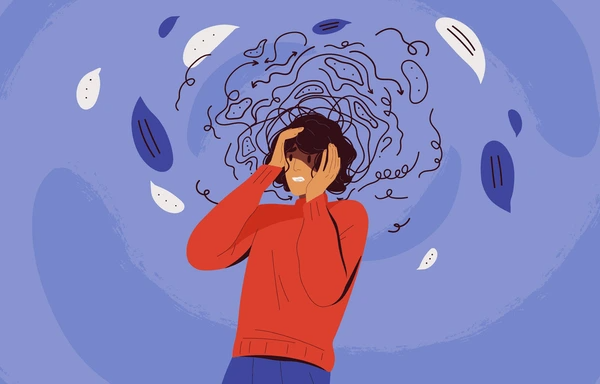
Psychological stress is a state of emotional and mental tension resulting from demanding or adverse circumstances. It occurs when an individual perceives that the demands placed upon them exceed their ability to cope. While some stress can be beneficial, chronic or excessive stress can have detrimental effects on both physical and mental health.
As we explore this topic, we’ll uncover the various facets of psychological stress, from its causes and symptoms to evidence-based strategies for managing and reducing its impact on our daily lives. Whether you’re a busy professional, a student, or simply someone looking to improve their overall well-being, this article will provide valuable insights and practical tools to help you better understand and cope with psychological stress.
The Science Behind Psychological Stress.
Psychological stress is not just a feeling; it’s a complex physiological response that involves various systems in our body. When we encounter a stressor, our body initiates the “fight or flight” response, releasing hormones such as adrenaline and cortisol. These hormones prepare our body to face the perceived threat by increasing heart rate, elevating blood pressure, and sharpening our senses.
While this response can be beneficial in short-term situations, prolonged activation of the stress response can lead to a range of health issues, including:
- Cardiovascular problems
- Weakened immune system
- Digestive disorders
- Mental health conditions like anxiety and depression
Understanding the science behind stress can help us recognize its impact and take proactive steps to manage it effectively.
Career and Professional Information Related to Psychological Stress.
| Profession | Role in Stress Management | Average Salary (USD) | Education Required |
|---|---|---|---|
| Psychologist | Diagnoses and treats stress-related disorders | $82,180 | Doctoral degree |
| Stress Management Consultant | Develops stress reduction programs for organizations | $87,660 | Bachelor’s or Master’s degree |
| Yoga Instructor | Teaches stress-reducing techniques through yoga | $39,210 | Certification required |
| Occupational Therapist | Helps individuals cope with work-related stress | $86,280 | Master’s degree |
| Life Coach | Assists clients in managing personal and professional stress | $62,940 | Certification recommended |
Identifying the Signs of Psychological Stress.
Recognizing the symptoms of psychological stress is crucial for early intervention and effective management. Common signs include:
Physical Symptoms.
- Headaches
- Muscle tension or pain
- Fatigue
- Sleep disturbances
- Digestive issues
Emotional Symptoms.
- Irritability or short temper
- Anxiety or restlessness
- Lack of motivation or focus
- Feeling overwhelmed
- Mood swings
Behavioral Symptoms.
- Changes in appetite
- Procrastination or neglecting responsibilities
- Increased use of alcohol, drugs, or cigarettes
- Nervous habits (e.g., nail biting, pacing)
- Social withdrawal
Being aware of these signs can help you identify when stress is becoming a problem and take appropriate action to address it.
The Impact of Chronic Stress on Health.
Chronic stress can have far-reaching consequences on our physical and mental well-being. Research has shown that prolonged exposure to stress can contribute to or exacerbate various health conditions, including:
- Hypertension
- Heart disease
- Diabetes
- Obesity
- Autoimmune disorders
- Depression and anxiety disorders
- Cognitive decline
Understanding these potential health risks underscores the importance of effective stress management in maintaining overall health and preventing chronic diseases.
Effective Stress Management Techniques.
Managing psychological stress is essential for maintaining good health and well-being. Here are some evidence-based strategies to help you cope with stress:
1. Mindfulness and Meditation.
Practicing mindfulness and meditation can help reduce stress by promoting relaxation and improving emotional regulation. Regular meditation has been shown to decrease cortisol levels and reduce symptoms of anxiety and depression.
2. Physical Exercise.
Regular physical activity is a powerful stress reducer. Exercise releases endorphins, improves mood, and enhances overall well-being. Aim for at least 150 minutes of moderate-intensity exercise per week.
3. Time Management.
Effective time management can help reduce stress by improving productivity and reducing the feeling of being overwhelmed. Prioritize tasks, set realistic goals, and learn to say no to unnecessary commitments.
4. Social Support.
Maintaining strong social connections can provide emotional support and help buffer against stress. Reach out to friends, family, or support groups when feeling overwhelmed.
5. Cognitive Behavioral Therapy (CBT).
CBT is a type of psychotherapy that can help individuals identify and change negative thought patterns and behaviors associated with stress. It has been shown to be effective in managing various stress-related disorders.
6. Relaxation Techniques.
Progressive muscle relaxation, deep breathing exercises, and guided imagery can help activate the body’s relaxation response, countering the effects of stress.
7. Healthy Lifestyle Choices.
Maintaining a balanced diet, getting adequate sleep, and limiting caffeine and alcohol intake can all contribute to better stress management and overall health.
The Role of Technology in Stress Management.
In recent years, technology has played an increasingly significant role in stress management. Mobile apps, wearable devices, and online platforms offer various tools to help individuals monitor and manage their stress levels. Some popular stress management apps include:
- Headspace (for meditation and mindfulness)
- Calm (for sleep, meditation, and relaxation)
- Moodfit (for mood tracking and cognitive behavioral therapy exercises)
- Breathe2Relax (for guided breathing exercises)
While these technological solutions can be helpful, it’s important to use them in conjunction with other stress management techniques and not as a sole solution.
Workplace Stress: A Growing Concern.
Work-related stress is a significant issue in modern society, affecting both employees and organizations. According to the American Institute of Stress, 83% of US workers suffer from work-related stress, with 25% saying their job is the number one stressor in their lives.
To address workplace stress, organizations are increasingly implementing stress management programs and policies, such as:
- Flexible work arrangements
- Employee assistance programs
- Stress management workshops
- Promoting work-life balance
- Creating a positive work environment
Employees can also take steps to manage work-related stress by setting boundaries, prioritizing tasks, and communicating effectively with colleagues and supervisors.
Latest Studies on Psychological Stress.
Recent research continues to shed light on the complexities of psychological stress and its management. Here are some notable findings:
- A 2023 study published in the Journal of Neuroscience found that chronic stress can lead to changes in brain structure, particularly in areas associated with emotion regulation and decision-making.
- Research from the University of California, San Francisco, revealed that mindfulness meditation can help reduce inflammation in the body, potentially mitigating some of the negative health effects of chronic stress.
- A large-scale study conducted by the Harvard T.H. Chan School of Public Health found that individuals who practiced optimism had a significantly lower risk of cardiovascular disease and other stress-related health problems.
These studies underscore the importance of ongoing research in understanding and addressing psychological stress.
Conclusion.
Psychological stress is a complex and pervasive issue that affects millions of people worldwide. By understanding its causes, recognizing its symptoms, and implementing effective management strategies, we can mitigate its negative impact on our health and well-being. Remember that managing stress is an ongoing process, and it’s essential to find the techniques that work best for you. If you’re struggling with chronic stress, don’t hesitate to seek professional help from a mental health provider or stress management specialist.
FAQs.
- What is the difference between acute and chronic stress?
Acute stress is short-term and often related to a specific event or challenge. Chronic stress is long-lasting and can result from ongoing issues such as work pressure or relationship problems. - Can stress be beneficial?
Yes, in small amounts, stress can be motivating and help improve performance. This type of positive stress is called “eustress.” - How does stress affect sleep?
Stress can make it difficult to fall asleep and stay asleep. It can also affect sleep quality, leading to fatigue and other health issues. - Is stress always bad for your health?
Not necessarily. Short-term stress can boost immunity and cognitive function. However, chronic stress can have negative health effects. - Can diet affect stress levels?
Yes, a balanced diet rich in fruits, vegetables, and whole grains can help manage stress. Foods high in sugar and caffeine may exacerbate stress symptoms. - How often should I practice stress management techniques?
Ideally, stress management should be a daily practice. Even dedicating 10-15 minutes a day to relaxation or mindfulness can make a significant difference. - When should I seek professional help for stress?
If stress is significantly impacting your daily life, relationships, or health, it’s advisable to consult a mental health professional or your healthcare provider.
By incorporating these stress management techniques and staying informed about the latest research, you can take control of your psychological stress and improve your overall quality of life. Remember, managing stress is a journey, not a destination, and it’s never too late to start taking steps towards a more balanced and stress-resilient life.
Disclaimer: This article is for informational purposes only and does not constitute medical advice. The information provided in this article is not intended to be a substitute for professional medical advice, diagnosis, or treatment. Always seek the advice of your physician or other qualified health provider with any questions you may have regarding a medical condition or stress-related issues. Never disregard professional medical advice or delay in seeking it because of something you have read in this article. The author and publisher of this article are not responsible for any adverse effects or consequences resulting from the use of any suggestions, preparations, or procedures described in this article.

Hi there!
I’m C.K. Gupta, the founder and head writer at FitnTip.com. With a passion for health and wellness, I created FitnTip to share practical, science-backed advice to help you achieve your fitness goals.
Over the years, I’ve curated valuable information from trusted resources on topics like nutrition, exercise, weight loss, and overall well-being. My aim is to distill this knowledge into easy-to-understand tips and strategies you can implement in your daily life.
Whether you’re looking to get in shape, eat healthier, or simply feel your best, FitnTip is here to support and guide you. I believe that everyone has the potential to transform their health through sustainable lifestyle changes.
When I’m not researching the latest health trends or writing for FitnTip, you can find me trying out new fitness routines, experimenting with nutritious recipes, and spending quality time with loved ones.
I’m excited to have you join our community as we embark on this wellness journey together. Let’s make positive, lasting changes and unlock a healthier, happier you!