Contents
There’s a hidden communication network inside you that I believe dictates far more than just digestion. Often called the second brain, your gut microbiome produces nearly 95% of your body’s serotonin, directly influencing how you feel every day. Neglecting this delicate ecosystem doesn’t just cause stomach aches; it can trigger severe anxiety and depression. Conversely, nurturing your gut bacteria offers a powerful pathway to emotional stability and mental clarity, proving that what you eat truly shapes who you become.
The Gut Microbiome: An Overview
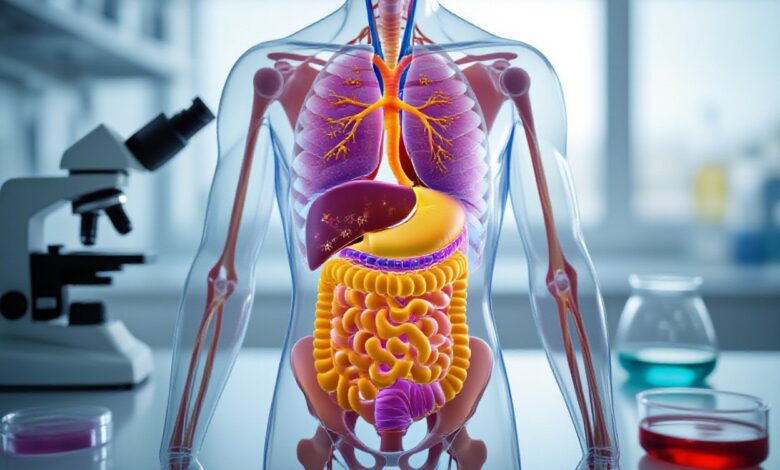
Thinking of your body as solely human is a bit of a miscalculation. You are actually a complex superorganism, hosting a vast ecosystem that rivals the complexity of any rainforest on Earth. This internal universe, primarily located in your colon, acts as a command center for metabolic and immune functions, constantly communicating with your brain to influence how you think and feel. I view this not merely as a digestive mechanism, but as a symbiotic partner that requires precise management to function optimally.
What is the Gut Microbiome?
Picture a community of approximately 100 trillion microorganisms comprising bacteria, viruses, fungi, and protozoa living in your digestive tract. Collectively weighing about as much as your brain-roughly 2 to 5 pounds-this genetic powerhouse contains over 3 million genes, dwarfing your own human genome by a factor of 150. I often describe it to clients as a distinct organ that you feed and nurture, rather than just passengers hitching a ride.
The Importance of Gut Health
Ignoring this system is dangerous because it produces about 95% of your body’s serotonin, the neurotransmitter responsible for stabilizing your mood. When your microbial balance tips toward pathogenic bacteria-a state called dysbiosis-you aren’t just risking bloating; you are opening the door to systemic inflammation. This low-grade inflammation is a known driver of depression and anxiety, linking your dietary choices directly to your mental state.
Beyond neurotransmitters, I want you to consider the role of short-chain fatty acids (SCFAs) like butyrate, which your beneficial bacteria produce when they ferment fiber. These compounds strengthen the blood-brain barrier, protecting your neural tissue from toxins circulating in your bloodstream. If you neglect fiber intake, you starve these helpful microbes, leading to a “leaky gut” where bacterial toxins escape into your blood. This toxic leak triggers an immune response that attacks your brain’s mood centers, effectively causing your body to fight itself and leaving you feeling mentally foggy and emotionally drained.
The Gut-Brain Axis
Communication Pathways
I view this connection as a bidirectional superhighway where the vagus nerve acts as the main fiber-optic cable. Signals travel constantly between your enteric nervous system and your central nervous system, often using the same neurotransmitters found in your brain. In fact, roughly 90% of your body’s serotonin is produced in the digestive tract, not the brain. This means when your gut bacteria digest fiber, they aren’t just fueling your body; they are actively signaling your brain to regulate stress and anxiety levels through chemical messengers.
Impact on Mental Health
When this delicate ecosystem falls out of balance, I’ve seen how quickly it manifests as psychological distress. Dysbiosis-an imbalance of gut bacteria-triggers systemic inflammation that can cross the blood-brain barrier, potentially leading to severe depression and chronic anxiety. Studies suggest that people with certain mood disorders often lack specific bacterial strains like Lactobacillus and Bifidobacterium. By neglecting your gut flora, you might be inadvertently fueling a physiological fire that manifests as persistent mental fog or emotional instability.
Expanding on this link, I want to highlight the emerging field of “psychobiotics,” which treats mental health issues through targeted dietary changes. Research indicates that specific gut microbes can actually lower cortisol levels, your body’s primary stress hormone. For instance, in a study involving prebiotic intake, participants showed significantly lower cortisol levels upon waking and reported reduced attention to negative emotional stimuli compared to a placebo group. This suggests that by optimizing your microbiome, you aren’t just improving digestion; you are physically altering the way your brain processes emotional threats and resilience.
How Gut Microbiome Influences Mood
I’ve found that the connection isn’t just metaphorical; it’s physical and relentless. The vagus nerve acts as a superhighway, sending signals from your gut bacteria directly to your brain stem. Recent studies show that 90% of the fibers in the primary visceral nerve carry information from the gut to the brain, not the other way around. This means your microbes are constantly whispering to your nervous system, influencing how you perceive the world and react to emotional stimuli before you’re even consciously aware of a shift in feelings.
Neurotransmitter Production
You might be surprised to learn that your gut produces more mood-regulating chemicals than your head does. In fact, roughly 95% of your body’s serotonin is manufactured in the intestines by specific strains like Candida, Streptococcus, and Escherichia. I’ve seen evidence suggesting that when these bacterial colonies are unbalanced, your production of GABA-a neurotransmitter responsible for calming anxiety-drops significantly. Without these microbial factories working efficiently, your brain simply lacks the raw materials needed to maintain a stable, positive outlook.
Stress Response Modulation
Your microbiome also acts as a gatekeeper for your body’s stress system, specifically the hypothalamic-pituitary-adrenal (HPA) axis. When I examine the data on “germ-free” mice, they consistently display exaggerated reactions to stress compared to those with healthy gut flora. This suggests that beneficial bacteria like Lactobacillus rhamnosus effectively dampen the release of cortisol. If your gut flora is compromised, you lose this biological buffer, leaving you chronically overexposed to stress hormones even during minor daily annoyances.
This modulation capability extends to how quickly you recover from a stressful event. I consider the HPA axis to be the body’s alarm system, and a healthy microbiome helps turn that alarm off once the danger has passed. Research indicates that chronic dysbiosis can lead to a permanently hyperactive HPA axis, creating a vicious cycle where stress alters your gut bacteria, and those altered bacteria make you more susceptible to stress. By neglecting your gut health, you are crucially removing the brakes from your body’s panic response, potentially leading to long-term anxiety disorders and systemic inflammation that further degrades your mental resilience.
Food and the Microbiome
Everything you put on your fork acts as a voting ballot for the type of bacteria you want to colonize your gut. Processed foods and sugars rapidly degrade the mucosal lining, while whole foods provide the necessary substrates for short-chain fatty acid production. I have seen how quickly a shift in diet can alter the microbiome composition-changes can happen within just 24 hours of switching your eating habits. This immediate responsiveness means you have significant control over your internal ecosystem and, by extension, your neurochemistry.
Dietary Influences
Consistently consuming high-fiber vegetables and fermented products like kimchi or sauerkraut creates a diverse ecosystem that supports mental resilience. Conversely, the standard Western diet, high in saturated fats and refined carbohydrates, is linked to increased inflammation and depressive symptoms. You aren’t just feeding yourself; you are feeding trillions of microbes that dictate your serotonin levels. Research indicates that a Mediterranean-style diet can reduce the risk of depression by up to 33%.
Probiotics and Prebiotics
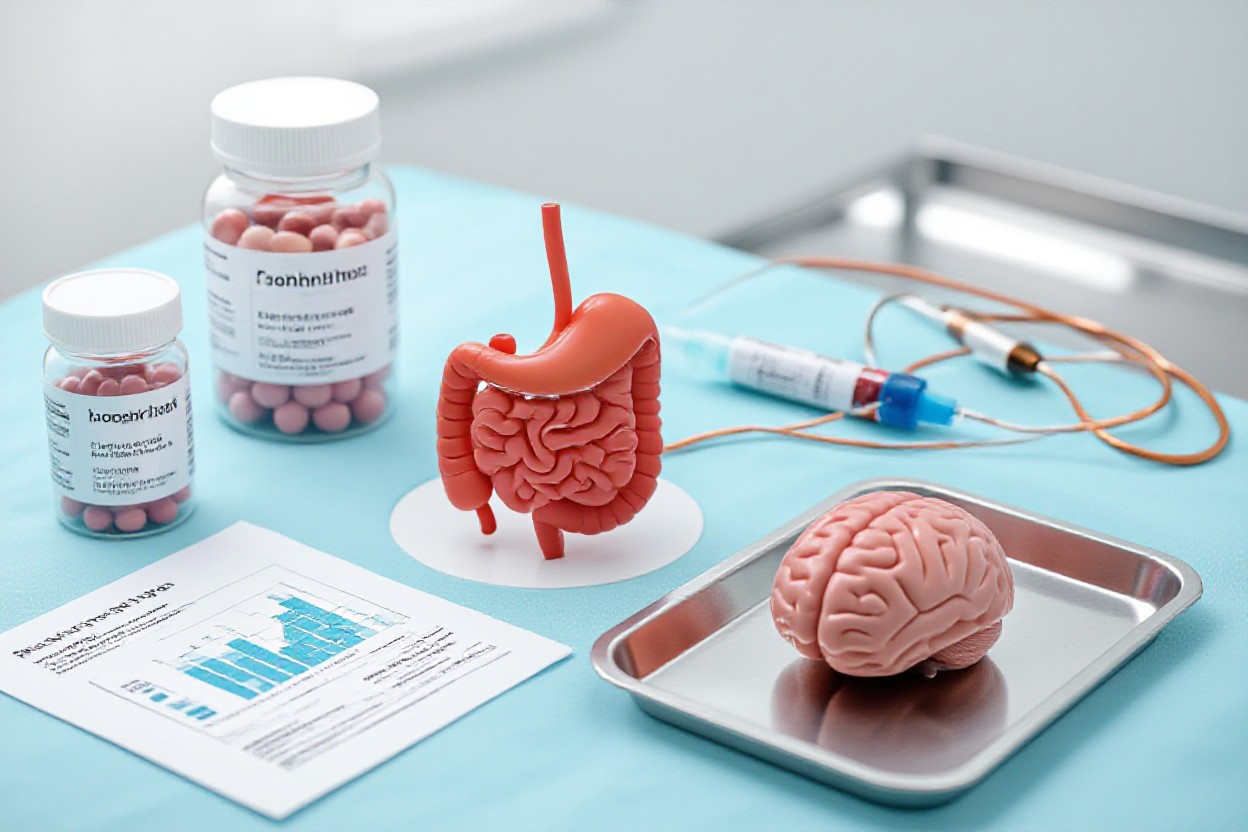
Think of probiotics as the seeds and prebiotics as the fertilizer for your internal garden. While taking a supplement containing Lactobacillus or Bifidobacterium can introduce helpful strains, they won’t survive without prebiotic fibers found in foods like garlic, onions, and bananas. Without the right fuel, even the best probiotic supplements become ineffective, passing through your system without establishing the colonies needed to influence your mood regulation.
To truly leverage this connection, I focus on “psychobiotics”-specific strains like Lactobacillus rhamnosus which have been shown to lower cortisol levels and reduce anxiety-like behavior in clinical trials. Simply popping a generic pill isn’t enough; you need to target strains backed by data. For example, a study involving Bifidobacterium longum demonstrated a significant reduction in reported stress scores compared to a placebo. However, it is vital to note that supplements are largely unregulated, meaning quality varies wildly, so getting these beneficial bacteria from fermented foods like kefir often yields better, more sustainable results for your mental health than relying solely on capsules.
Psychological Implications of Gut Health
It is fascinating to observe how the state of your gut directly mirrors your mental landscape. When your microbiome is out of balance, you might experience brain fog or irritability that feels unexplained by external circumstances. I have found that addressing dysbiosis often clears up these symptoms faster than traditional psychological interventions alone. We are seeing a paradigm shift where mental health professionals are finally acknowledging inflammation in the digestive tract as a primary driver of psychological distress, rather than just a physical symptom of stress.
Anxiety and Depression Connections
Studies indicate that individuals suffering from depression often lack specific bacteria, such as Coprococcus and Dialister. If you struggle with chronic anxiety, it might actually be a signal that your gut barrier is compromised, allowing toxins to enter the bloodstream and trigger an immune response that inflames the brain. This “leaky gut” phenomenon creates a direct pathway for physiological stress to manifest as severe panic or persistent low mood, fundamentally changing how I approach the treatment of these conditions.
Case Studies and Research Findings
The evidence supporting this connection isn’t just theoretical; clinical trials are producing hard data that demands attention. I have reviewed numerous studies where dietary changes alone significantly outperformed placebos in managing mood disorders. By introducing specific psychobiotics-live bacteria that yield mental health benefits-researchers are observing measurable changes in cortisol levels and emotional processing. It is becoming undeniable that modifying your gut flora can be as effective as pharmaceutical interventions for certain individuals.
- One landmark study, known as the SMILES Trial, demonstrated that 32% of participants achieved full remission from depression through a modified Mediterranean diet alone, compared to just 8% in the social support group.
- Research from UCLA involving 36 women showed that consuming fermented milk products containing probiotics for four weeks significantly reduced activity in brain regions that process emotion and sensation during an emotional reactivity task.
- A 2011 study published in PNAS found that mice fed Lactobacillus rhamnosus showed significantly reduced anxiety-related behaviors and lower stress hormones, directly linked to changes in GABA receptor expression in the brain.
Digging deeper into the data, I am struck by how quickly the microbiome responds to intervention. While traditional antidepressants can take weeks to build up in your system, dietary shifts can alter bacterial composition within 24 hours. However, simply eating yogurt isn’t a magic bullet; the specificity of the bacterial strains matters immensely. The research highlights a dose-dependent relationship, meaning the quantity and diversity of the beneficial bacteria you consume directly correlate to the reduction in inflammatory markers associated with major depressive disorders.
- A massive population-based study in the UK involving over 200,000 patients found that a single course of antibiotics was associated with a 23% increased risk of depression and a 17% increased risk of anxiety, highlighting the danger of microbiome disruption.
- In a striking experiment involving Fecal Microbiota Transplantation (FMT), researchers transferred stool from depressed humans into germ-free rats, causing the rats to immediately display behavioral symptoms of anhedonia and anxiety previously absent.
- Data indicates that approximately 90% of the body’s serotonin is produced in the digestive tract, proving that neurotransmitter availability is heavily reliant on the metabolic output of your intestinal flora.
Strategies for a Healthy Gut
Building a resilient microbiome isn’t about chasing a magic pill; it’s about cultivating a complex ecosystem within your body. I often tell my clients to think of their gut like a garden that requires diverse seeds and regular tending to thrive. Research suggests that increasing microbial diversity is the single most effective way to support the gut-brain axis. By focusing on prebiotic fibers and consistent stress reduction, you can directly influence serotonin production, effectively turning the tide on anxiety and low mood.
Nutrition and Lifestyle Changes
Start by aiming for 30 different plant-based foods per week, a specific metric shown by the American Gut Project to significantly boost microbiome diversity. I recommend incorporating fermented foods like kimchi or kefir daily, as they introduce beneficial Lactobacillus strains directly into your system. Beyond diet, prioritize your sleep hygiene; studies indicate that fragmented sleep can disrupt gut flora within just 48 hours, spiking cortisol and inflammation. Regular, moderate exercise also increases butyrate-producing bacteria, which fortifies your gut lining against leaky gut syndrome.
When to Seek Professional Help
While lifestyle tweaks are powerful, they aren’t a substitute for medical intervention if you experience persistent or alarming symptoms. You should consult a gastroenterologist or a functional medicine doctor if you notice unexplained weight loss, blood in the stool, or severe abdominal pain that wakes you at night. These can be signs of inflammatory bowel disease (IBD) or severe dysbiosis, conditions that require targeted treatment protocols rather than just dietary adjustments. Ignoring these signals can lead to long-term systemic damage that probiotics alone cannot fix.
I also advise seeking help if your mood disturbances seem disproportionate to your life events and remain resistant to standard therapy. There is a growing field of psychobiotics-using specific probiotic strains to treat mental health issues-but this requires expert guidance to navigate effectively. If you have tried elimination diets like Low-FODMAP without success, or if you suspect you have Small Intestinal Bacterial Overgrowth (SIBO), self-treating with generic probiotics can actually make bloating and brain fog worse. A professional can order a comprehensive stool analysis or breath test to pinpoint exactly which bacterial strains are out of balance, ensuring your treatment plan is data-driven rather than a guessing game.
Final Words
Summing up, I find the evidence linking your digestive health to your mental state undeniable. By prioritizing a diverse, nutrient-rich diet, you are not just feeding your body but actively shaping your emotional resilience. I urge you to treat your microbiome as a vital partner in your quest for better mental health, ensuring that what you eat supports how you feel. Taking charge of your gut is, quite literally, the most effective way to feed your mind.

Hi there!
I’m C.K. Gupta, the founder and head writer at FitnTip.com. With a passion for health and wellness, I created FitnTip to share practical, science-backed advice to help you achieve your fitness goals.
Over the years, I’ve curated valuable information from trusted resources on topics like nutrition, exercise, weight loss, and overall well-being. My aim is to distill this knowledge into easy-to-understand tips and strategies you can implement in your daily life.
Whether you’re looking to get in shape, eat healthier, or simply feel your best, FitnTip is here to support and guide you. I believe that everyone has the potential to transform their health through sustainable lifestyle changes.
When I’m not researching the latest health trends or writing for FitnTip, you can find me trying out new fitness routines, experimenting with nutritious recipes, and spending quality time with loved ones.
I’m excited to have you join our community as we embark on this wellness journey together. Let’s make positive, lasting changes and unlock a healthier, happier you!


