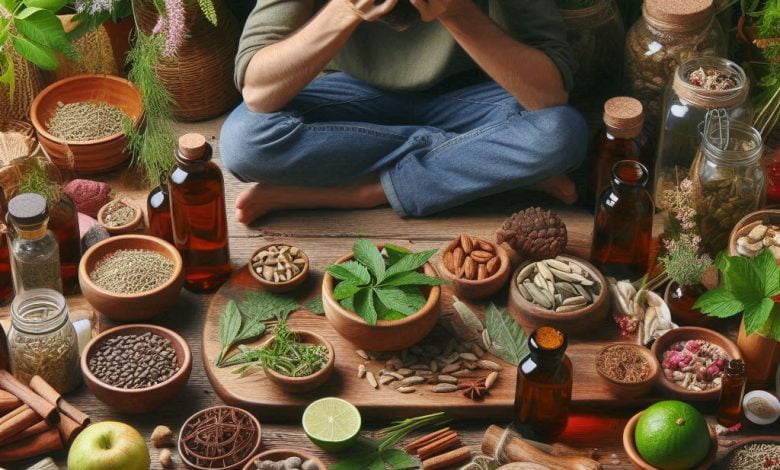
Top 10 Herbal Remedies for Reducing Anxiety. Anxiety is a common mental health issue that affects millions of people worldwide. It can manifest as excessive worry, restlessness, irritability, sleep disturbances, and physical symptoms like muscle tension and rapid heartbeat. While prescription medications are often used to treat anxiety disorders, many people are turning to natural remedies, particularly herbal medicines, as an alternative or complementary approach.
Herbal remedies have been used for centuries to calm the mind and alleviate anxiety symptoms. They are generally considered safe, although it’s important to consult with a healthcare provider before starting any new supplement regimen, as herbs can interact with medications and cause side effects in some people.
In this article, we’ll explore the top 10 herbal remedies that have shown promise in reducing anxiety based on scientific research. We’ll discuss their traditional uses, potential mechanisms of action, effective dosages, and safety considerations.
Also Read-Exploring Myths – Can Vegetarians Get Enough Protein?
Top 10 Herbal Remedies for Reducing Anxiety.
1. Ashwagandha.
Ashwagandha (Withania somnifera) is an adaptogenic herb commonly used in Ayurvedic medicine to help the body cope with stress. It has been shown to reduce anxiety in several clinical trials.
A 2019 study found that taking 240 mg of ashwagandha extract daily for 60 days significantly reduced anxiety compared to a placebo in adults with generalized anxiety disorder. Researchers believe ashwagandha works by regulating the hypothalamic-pituitary-adrenal (HPA) axis, which plays a key role in the stress response.
Ashwagandha is generally well-tolerated, but it may cause mild side effects like stomach upset, diarrhea, and drowsiness in some people. It should not be used by pregnant women, as it may induce miscarriage.
2. Chamomile.
Chamomile is a popular herb used for centuries to promote relaxation and relieve anxiety. It contains an antioxidant called apigenin that binds to benzodiazepine receptors in the brain, producing a mild sedative effect.
A 2016 randomized controlled trial found that taking chamomile extract capsules (1500 mg daily) for 12 weeks significantly reduced anxiety symptoms compared to a placebo in people with generalized anxiety disorder. Chamomile tea may also be beneficial for reducing anxiety.
Chamomile is considered very safe, but it can cause allergic reactions in people who are sensitive to ragweed and other plants in the daisy family. It may also interact with certain medications, including blood thinners and sedatives.
3. Lavender.
Lavender is well-known for its calming and relaxing properties. Its essential oil contains linalool, a compound that has been shown to have anxiolytic effects by modulating GABA receptors in the brain.
A 2010 multi-center, double-blind, randomized study found that taking an orally administered lavender oil preparation (80 mg per day) for 10 weeks was as effective as lorazepam, a common anti-anxiety medication, for reducing anxiety disorder symptoms. Lavender aromatherapy may also help alleviate anxiety.
Lavender is generally safe, but the essential oil can cause skin irritation in some people. It may also interact with certain medications, so it’s important to consult with a healthcare provider before using lavender supplements.
4. Passionflower.
Passionflower (Passiflora incarnata) has been used traditionally to treat anxiety and insomnia. It contains flavonoids that are believed to increase levels of GABA in the brain, promoting relaxation.
A 2017 systematic review and meta-analysis concluded that passionflower may be an effective and safe treatment for anxiety symptoms, although more high-quality studies are needed. An earlier double-blind study found passionflower extract to be as effective as oxazepam, a benzodiazepine medication, for treating generalized anxiety disorder.
Passionflower is generally well-tolerated, but it can cause side effects like drowsiness, dizziness, and confusion in some people. It should not be combined with sedative medications.
5. Valerian Root.
Valerian (Valeriana officinalis) is commonly used as a sleep aid, but it may also help with anxiety. It contains compounds called valerenic acids that appear to modulate GABA receptors, producing a calming effect.
A 2020 systematic review found that valerian root may help reduce anxiety symptoms, although the researchers noted that most studies were small and not well-designed. More research is needed to determine the most effective dosage and preparation.
Valerian is generally safe at recommended doses, but it can cause side effects like headaches, dizziness, and stomach upset in some people. It should not be used with alcohol or sedative medications.
6. Lemon Balm.
Lemon balm (Melissa officinalis) is a lemon-scented herb in the mint family. It has been used historically to promote calmness and alleviate anxiety.
A small 2011 study found that taking a single dose of lemon balm extract (300 mg or 600 mg) reduced stress and improved mood compared to a placebo in healthy adults. Another study showed that taking lemon balm (300 mg twice daily) for 15 days reduced anxiety and insomnia symptoms in people with sleep disturbances.
Lemon balm is well-tolerated, but it can cause side effects like nausea, vomiting, dizziness, and abdominal pain in some people. It may also interact with thyroid medications.
7. Kava Kava.
Kava kava (Piper methysticum) is a South Pacific herb traditionally used as a ceremonial drink to promote relaxation. It contains compounds called kavalactones that are believed to reduce anxiety by modulating GABA activity.
Several studies have found kava to be effective for treating anxiety disorders. A 2013 randomized controlled trial showed that taking kava extract (120 mg kavalactones per day) for 6 weeks significantly reduced anxiety symptoms compared to a placebo in people with generalized anxiety disorder.
However, kava has been linked to rare cases of severe liver damage, leading some countries to restrict its sale. It can also cause side effects like headache, dizziness, drowsiness, and skin rash. Kava should not be used by people with liver disease or those taking medications that affect the liver.
8. Ginkgo Biloba.
Ginkgo biloba is an ancient Chinese herb known for its cognitive-enhancing properties. It has also been studied for its potential anxiolytic effects.
A 2020 systematic review and meta-analysis found that ginkgo significantly reduced anxiety symptoms compared to a placebo, with effects comparable to some anti-anxiety medications. Researchers believe ginkgo works by modulating neurotransmitter systems involved in anxiety, such as serotonin and GABA.
Ginkgo is generally safe, but it can cause side effects like headache, dizziness, stomach upset, and allergic skin reactions in some people. It may also interact with blood thinners and other medications.
9. St. John’s Wort.
St. John’s wort (Hypericum perforatum) is widely used as a natural treatment for depression, but it may also help with anxiety disorders. It contains several active compounds, including hypericin and hyperforin, that are thought to increase levels of serotonin and other neurotransmitters in the brain.
A 2003 double-blind study found that taking St. John’s wort extract (600 mg per day) for 6 weeks significantly reduced anxiety symptoms in people with depression and anxiety disorders. However, more research is needed to confirm its effectiveness for anxiety.
St. John’s wort can cause side effects like dry mouth, dizziness, confusion, and photosensitivity. It also interacts with many medications, including antidepressants, birth control pills, blood thinners, and some HIV drugs, so it’s important to consult with a doctor before using it.
10. Cannabidiol (CBD).
Cannabidiol (CBD) is a non-psychoactive compound found in the cannabis plant. It has gained popularity in recent years as a potential treatment for anxiety disorders.
Several studies suggest that CBD may help reduce anxiety by interacting with serotonin receptors and other neurotransmitter systems in the brain. A 2019 study found that taking 300-600 mg of CBD significantly reduced anxiety in adults with generalized anxiety disorder.
CBD is generally well-tolerated, but it can cause side effects like fatigue, changes in appetite, and diarrhea in some people. It may also interact with certain medications. CBD products are not well regulated, so it’s important to choose a reputable brand and talk to a healthcare provider before using them.
Final Words.
Herbal remedies offer a natural approach to managing anxiety symptoms for many people. The top 10 herbs discussed in this article – ashwagandha, chamomile, lavender, passionflower, valerian root, lemon balm, kava kava, ginkgo biloba, St. John’s wort, and CBD – have shown promise in reducing anxiety in scientific studies.
However, it’s important to remember that herbal supplements can cause side effects and interact with medications, so they should be used with caution and under the guidance of a qualified healthcare provider. They should not be used as a substitute for proven treatments like therapy and prescription medications without consulting a doctor.
When choosing an herbal supplement, look for products that have been standardized and tested for purity and potency by a third-party organization like ConsumerLab or NSF International. Start with the lowest effective dose and monitor for any adverse reactions.
While herbal remedies can be a helpful addition to an anxiety management plan, they work best when combined with other self-care practices like regular exercise, healthy eating, good sleep hygiene, and stress-reduction techniques like meditation and deep breathing. If anxiety symptoms are severe or interfere with daily functioning, it’s important to seek professional help from a mental health provider.
With the right combination of treatments and lifestyle changes, it is possible to effectively manage anxiety and improve overall quality of life. Herbal remedies, when used safely and appropriately, can be a valuable tool in this holistic approach to mental wellness.

Hi there!
I’m C.K. Gupta, the founder and head writer at FitnTip.com. With a passion for health and wellness, I created FitnTip to share practical, science-backed advice to help you achieve your fitness goals.
Over the years, I’ve curated valuable information from trusted resources on topics like nutrition, exercise, weight loss, and overall well-being. My aim is to distill this knowledge into easy-to-understand tips and strategies you can implement in your daily life.
Whether you’re looking to get in shape, eat healthier, or simply feel your best, FitnTip is here to support and guide you. I believe that everyone has the potential to transform their health through sustainable lifestyle changes.
When I’m not researching the latest health trends or writing for FitnTip, you can find me trying out new fitness routines, experimenting with nutritious recipes, and spending quality time with loved ones.
I’m excited to have you join our community as we embark on this wellness journey together. Let’s make positive, lasting changes and unlock a healthier, happier you!