Nighttime Toothache Troubles? Try These Home Remedies and Know The Causes

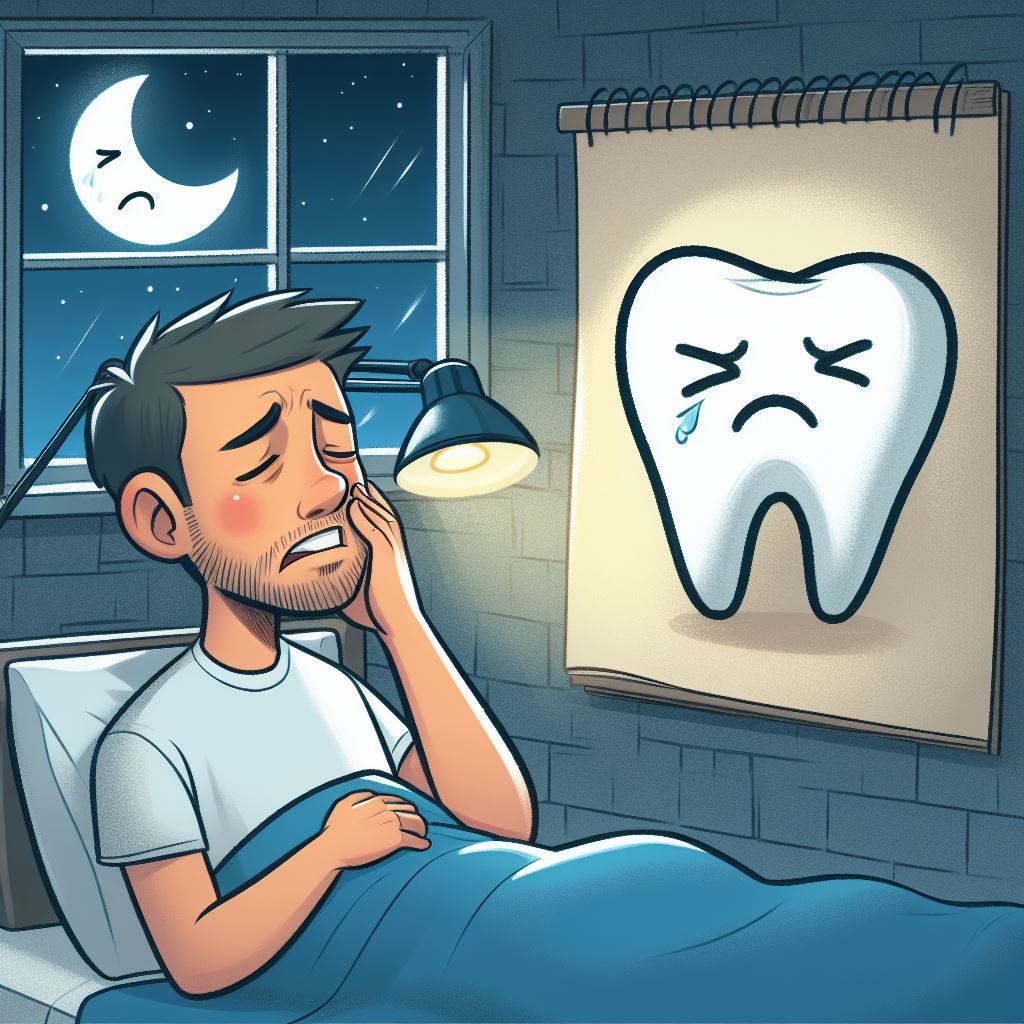
Nighttime Toothache Troubles. Pain and discomfort from a toothache can be especially troublesome at night, affecting your sleep and overall well-being. In this guide, we will explore home remedies to help manage toothache pain so you can get the rest you need. From using over-the-counter pain medications to natural remedies like clove or guava leaves, there are various options to explore.
Additionally, we will uncover the causes of toothaches, ranging from dental issues like tooth decay or gum disease to other potential factors like sinus infections or jaw disorders. Discover how to address your nighttime toothache troubles effectively and when it’s time to seek professional help from a dentist.
Must Read-How To Stay Healthy and Fit While Traveling
Nighttime Toothache Troubles.
Why Toothaches Feel Worse at Night?
Little is more frustrating than a toothache disrupting your sleep. The reason why toothaches often feel worse at night can be attributed to several factors. Some possible reasons include the pooling of blood in the head when lying down, leading to increased pressure on the tooth, as well as the lack of distractions during nighttime that can make pain feel more intense.
Tips for Alleviating Pain Before Bedtime
While treating a toothache at home may not completely eliminate the pain, there are several ways to help manage it before bedtime. Some simple tips for alleviating toothache pain include using over-the-counter pain medication, keeping your head elevated to prevent blood pooling, avoiding triggering foods, rinsing with a mouthwash containing alcohol, and using an ice pack on the painful area. Assume that these methods can provide temporary relief to help you get some rest.
Here Are Some Tips that Might Help Alleviate Pain Before Bedtime:
Relaxation Techniques:
- Deep Breathing: Focus on slow, rhythmic breaths to calm your body and mind. Shallow breathing can worsen pain by increasing lactic acid buildup in muscles.
- Light Stretching or Yoga: Gentle stretches before bed can improve flexibility and reduce muscle tension. Yoga can be particularly helpful as it combines stretching with relaxation techniques.
Temperature Therapy:
- Heat: Apply a heating pad or take a warm bath to loosen tight muscles and promote relaxation.
- Cold: Use an ice pack to reduce inflammation, especially helpful for acute injuries.
Sleep Environment:
- Comfortable Sleep Position: Experiment with different pillows and positions to find what minimizes pain. For example, avoid sleeping on your stomach if you have back pain.
- Supportive Mattress and Pillows: Invest in a mattress and pillows that provide proper support for your body.
Other Tips:
- Pain Medication: Consider taking pain medication as directed by your doctor before bed.
- Light Dinner: Avoid heavy meals close to bedtime, which can cause indigestion and disrupt sleep.
- Consistent Sleep Schedule: Go to bed and wake up at the same time each day, even on weekends, to regulate your body’s natural sleep-wake cycle.
Also Check-Kojic Acid Soap: Unlocking Brighter, Clearer Skin
Types of Toothaches and Their Implications.
Unlike a one-size-fits-all approach, treating a toothache involves understanding the specific type of pain you are experiencing. Different types of toothaches can indicate various underlying issues that need to be addressed promptly.By identifying the nature of your toothache, you can take appropriate steps to manage the pain and prevent further complications.
Here Are the Different Types of Toothaches and Their Implications:
| Tooth Pain Severity | Implications |
| Mild and Occasional | May indicate minor tooth sensitivity or early stages of decay. Can often be managed with over-the-counter pain relief. |
| Moderate and Persistent | Suggests a more advanced tooth decay or possible infection. Requires prompt evaluation by a dentist. |
| Severe and Constant | Signifies a severe infection, abscess, or significant damage to the tooth. Immediate dental intervention is crucial to prevent further complications. |
| Intermittent and Radiating | Could indicate nerve-related issues such as neuralgia or referred pain. Requires thorough assessment to identify the underlying cause. |
| Sudden and Sharp | Often associated with dental emergencies like fractures or trauma. Urgent dental care is necessary to address the issue effectively. |
Categorizing Tooth Pain by Severity and Duration.
On the spectrum of toothaches, categorizing pain by severity and duration can help determine the urgency of dental intervention. Mild and occasional tooth pain can often be managed with home remedies, while severe and constant pain may indicate a more serious underlying issue that requires immediate attention.
Identifying the Nature of Your Toothache.
Any toothache should not be ignored as it can signify various dental problems ranging from minor issues like sensitivity to severe conditions like abscesses or infections. By identifying the nature of your toothache, you can empower yourself to seek appropriate treatment and avoid potential complications.
Identifying the specific type of toothache you are experiencing is crucial in determining the underlying cause and necessary treatment. Mild and occasional pain may be manageable, but severe and constant pain could indicate a severe infection or damage that requires prompt intervention.
Ignoring toothaches or neglecting dental care can lead to worsening conditions and potential complications that may impact your oral health significantly. Regular dental check-ups and prompt treatment of toothaches are necessary for maintaining healthy teeth and gums.
The Various Causes Behind Toothaches.
Common Dental Issues Leading to Pain.
Many toothaches are caused by common dental issues such as tooth decay, lost fillings, abscessed teeth, or teething problems. These conditions can lead to exposed nerves, infection, or pressure on surrounding teeth, resulting in intense pain and discomfort.
Non-Dental Related Factors.
The causes of toothaches are not just limited to dental issues. One common non-dental factor behind tooth pain is a sinus infection. In this case, sinus drainage can put pressure on the teeth, leading to discomfort. Additionally, jaw injuries, TMJ disorders, or grinding of teeth can also contribute to nighttime toothaches.
- Sinus infections can cause pressure on teeth.
- Jaw injuries may lead to tooth pain.
- TMJ disorders could contribute to nighttime toothaches.
Pain from toothaches at night can be exacerbated by factors such as lying down, pressure on the head from blood pooling, or lack of distractions. If the pain persists, it is crucial to consult a dentist to address the underlying cause and prevent further complications. Assume that severe or prolonged toothaches may indicate a more serious issue that requires professional attention.
Home Remedies for Managing Toothache at Night.
Natural Remedies and Their Efficacies.
Not all toothaches can be remedied with over-the-counter painkillers. Some natural remedies have been known to provide relief. Clearly, therapeutic methods involving clove, guava leaves, and garlic have been used by natural healers to treat oral diseases, including toothaches at night. These natural remedies can offer additional benefits while managing the pain.
While natural remedies have been used for centuries to alleviate various ailments, it’s important to understand that their effectiveness can vary widely. Some natural remedies have been shown to have some benefits, while others lack strong scientific evidence.
Here’s a Look at Some Common Natural Remedies and Their Potential Effectiveness:
- Ginger: Ginger has been used for centuries to treat nausea, vomiting, and motion sickness. Studies have shown that ginger can be effective in reducing nausea and vomiting after surgery and chemotherapy.
- Honey: Honey has long been used as a sore throat soother. Honey may coat the throat and provide temporary relief from irritation.
- Chamomile: Chamomile tea is a popular natural remedy for anxiety and insomnia. Some studies suggest that chamomile may help promote relaxation and improve sleep quality.
- Peppermint: Peppermint oil is often used to relieve nausea, indigestion, and irritable bowel syndrome (IBS). Studies have shown that peppermint oil may help relax the muscles in the digestive tract and ease IBS symptoms.
Cold Compress Technique: When and How to Use It
Remedies such as a cold compress can be effective in reducing toothache pain. When applied to the affected area, a cold compress can help numb the pain and reduce inflammation. Additionally, keeping the head elevated while using a cold compress can further aid in pain management. Remember to wrap the cold pack in a cloth to prevent ice burn and only apply for short intervals to avoid damaging the skin.
When to Use a Cold Compress:
- Acute injuries: Soon after sprains, strains, minor cuts, and insect bites to reduce swelling and pain.
- Inflammation: For arthritis, tendonitis, and other inflammatory conditions.
- Headaches and migraines: Apply a cold compress to your forehead or neck to reduce throbbing pain.
- Fever: Cooling the forehead with a cold compress can provide temporary relief.
How to Use a Cold Compress:
- Gather your supplies: You’ll need a cold compress or ice pack, and a thin towel or cloth.
- Prepare the compress: If using a bag of ice, wrap it in a thin towel to prevent skin irritation. A damp washcloth chilled in the refrigerator can also be used.
- Apply the compress: Apply the cold compress to the affected area for 15-20 minutes at a time. Do not apply ice directly to your skin.
- Remove and repeat: Remove the compress for 20 minutes to allow blood flow to return to the area. You can repeat this process every few hours as needed.
Pain Management Tactics
Over-the-Counter Medication: Pros and Cons.
Any individual dealing with nighttime toothache troubles may consider using over-the-counter medication to alleviate the pain. Below is a breakdown of the pros and cons of using such medications:
| Pros | Cons |
| Effective in dulling toothache pain | Possible side effects like stomach irritation |
| Readily available at most pharmacies | Temporary relief may mask underlying dental issues |
| Easy to use and convenient | May not be suitable for individuals with certain medical conditions |
Relaxation Techniques for Tooth Pain Reduction.
If you find yourself struggling with tooth pain at night, incorporating relaxation techniques into your bedtime routine may help alleviate discomfort. A calming approach like deep breathing exercises, progressive muscle relaxation, or visualization can distract from the pain and promote better sleep quality.
It’s vital to create a peaceful environment, dimming lights, playing soft music, or using aromatherapy with scents like lavender. Bear in mind, relaxation techniques should complement, not replace, any necessary dental treatment.
Preventative Measures and Dental Hygiene Tips
The Role of Optimal Oral Hygiene in Pain Prevention
For those looking to prevent nighttime toothaches, optimal oral hygiene is key. Measures such as brushing twice a day with fluoride toothpaste, flossing daily, and visiting the dentist regularly every six months can help maintain the health of your teeth and gums, potentially preventing toothaches. After all, a healthy mouth is less likely to experience pain.
Brushing and Flossing:
- Brush twice a day: Use a soft-bristled toothbrush and fluoride toothpaste to brush your teeth for two minutes, twice a day. Focus on all surfaces of your teeth, including the back and the gum line.
- Floss daily: Flossing once a day removes plaque and food particles from between your teeth, where brushing can’t reach
Dietary Adjustments to Keep Toothaches at Bay
Pain and discomfort from toothaches can also be influenced by what we consume. Proper dietary adjustments can play a significant role in preventing tooth pain. Foods rich in sugar and acidity can contribute to tooth decay, which may lead to toothaches. Ensuring a balanced diet that includes plenty of calcium-rich foods like dairy products can help keep teeth strong and healthy.
Diet and Lifestyle:
- Limit sugary drinks and snacks: Sugary foods and drinks create an acidic environment in your mouth that promotes cavities.
- Eat a healthy diet: A balanced diet rich in fruits, vegetables, and whole grains provides your body with the nutrients it needs for strong teeth and gums.
- Don’t smoke: Smoking is a major risk factor for gum disease and oral cance
Navigating Professional Dental Care.
Deciding When to Visit the Dentist
Even though home remedies can provide temporary relief, it is crucial to know when to seek professional dental care. If your toothache persists for more than 2 days, it is a sign that something more serious may be happening. Watch out for any severe pain, fever, headache, or difficulty opening your mouth, as these could indicate a more urgent dental issue.
Dental Visits and Professional Cleanings:
- Schedule regular checkups: Visit your dentist at least once a year for a checkup and cleaning. They can detect potential problems early and recommend treatment if necessary.
- Professional cleanings: Professional cleanings remove plaque and tartar buildup that brushing and flossing alone can’t remove.
Understanding Dental Treatments.
Dental treatments encompass a wide range of procedures aimed at maintaining good oral health, restoring damaged teeth, and improving your smile. Here’s a breakdown of some common dental treatments:
Preventive Treatments:
- Cleanings and Checkups: Regular professional cleanings remove plaque and tartar buildup that brushing and flossing can’t reach. Checkups allow dentists to detect cavities, gum disease, and other potential problems early on.
- Fluoride Treatments: Fluoride strengthens tooth enamel and helps prevent cavities. This can be applied topically during cleanings or through fluoride toothpaste and mouthwash.
- Sealants: Thin coatings applied to the chewing surfaces of back teeth to shield them from decay.
Restorative Treatments:
- Fillings: Used to repair cavities or small cracks in teeth. Fillings come in various materials like composite resin (tooth-colored) or metal.
- Crowns: Caps that cover the entire visible portion of a tooth to restore strength, shape, and size. Crowns are used for severely damaged teeth, large fillings, or cosmetic purposes.
- Bridges: Fixed replacements for missing teeth. A bridge is anchored by dental crowns on surrounding teeth and supports one or more artificial teeth in the gap.
- Dentures: Removable replacements for missing teeth, used for full or partial tooth loss. Dentures can be made from acrylic or metal and require proper care and cleaning.
Endodontic Treatments (Root Canal):
- A procedure to treat an infected tooth by removing inflamed pulp (tissue) and nerves from the root canal. This relieves pain and saves the tooth from extraction.
Periodontal Treatments (Gum Disease):
- Address gum inflammation (gingivitis) and gum disease (periodontitis). Treatment may involve scaling and root planing (deep cleaning) to remove plaque and tartar from below the gum line. In severe cases, surgery may be needed.
Oral and Maxillofacial Surgery:
- Involves surgical procedures of the mouth, jaw, and face. This can include wisdom teeth removal, dental implant placement, treatment of facial injuries, and some complex tooth extractions.
Orthodontics:
- Focuses on correcting misaligned teeth and jaws. Braces and clear aligners (e.g., Invisalign) are common orthodontic treatments that gradually move teeth into their desired positions.
Cosmetic Dentistry:
- Aims to improve the appearance of your smile. Procedures include teeth whitening, porcelain veneers (laminates) to cover chipped or discolored teeth, and gum reshaping.
Choosing the Right Treatment:
The best dental treatment for you will depend on your specific needs and oral health condition. During a consultation, your dentist will examine your teeth, gums, and x-rays to diagnose any problems and discuss treatment options. They will consider your medical history, budget, and desired outcome to create a personalized treatment plan.
Myths and Misconceptions about Toothaches.
Toothaches can be a real pain (literally!), and there’s a lot of misinformation floating around about what causes them and how to treat them. Here’s a breakdown of some common myths and misconceptions about toothaches:
Myth #1: A Toothache Means I Need a Root Canal.
Fact: While a toothache can be a sign of a serious problem like an infected tooth (abscess) that might require a root canal, it doesn’t always mean that. Toothaches can have various causes, some less severe than others.
Myth #2: Ignoring a Toothache Will Make It Go Away.
Fact: Unfortunately, ignoring a toothache won’t make it disappear. In fact, it can actually make the problem worse. Early diagnosis and treatment are key to preventing complications and potentially saving your tooth.
Myth #3: Over-The-Counter Pain Relievers Are a Cure for Toothaches.
Fact: Pain relievers can provide temporary relief from toothache pain, but they don’t address the underlying cause. You’ll still need to see a dentist to diagnose the problem and get proper treatment.
Myth #4: Putting Aspirin Directly on A Toothache Will Numb the Pain.
Fact: This is a dangerous practice! Aspirin can irritate your gum tissue and cause mouth sores. It’s best to stick to taking pain relievers orally as directed.
Myth #5: Hot or Cold Compresses Can Cure a Toothache.
Fact: Hot or cold compresses can provide temporary relief by reducing inflammation or numbing the area. However, they won’t fix the underlying problem.
Myth #6: Only Sugary Foods Cause Toothaches.
Fact: While sugary foods can contribute to cavities, which can lead to toothaches, other factors like gum disease, cracked teeth, and loose fillings can also cause them.
Frequently Asked Questions.
Quick and Immediate Toothache Alleviation Methods.
After discovering ways to manage a toothache at night, you may still be seeking quick and immediate relief. Assuming you are in a rush to alleviate the discomfort, consider using over-the-counter pain medications, rinsing with salt water or mouthwash, and applying a pain-relieving gel. These methods can help reduce pain before bedtime, allowing you to rest more comfortably.
Managing Recurrent Toothaches: Long-Term Strategies
After addressing immediate relief, you may need to focus on long-term management of recurrent toothaches. Assuming you experience frequent toothaches, it’s important to consult with a dentist for a comprehensive assessment. They can identify underlying causes such as tooth decay, gum disease, or TMJ disorders and provide personalized treatment plans to address these issues.
Toothache: It is crucial to address recurrent toothaches promptly, as they could be a sign of underlying dental issues that require professional intervention. By seeking timely dental care and following recommended treatment plans, you can prevent further complications and maintain optimal oral health.
Final Words
Now that you have learned about the various home remedies to help manage nighttime toothaches, as well as the potential causes behind them, you can take steps to alleviate your pain and seek appropriate treatment. Using over-the-counter pain medication, keeping your head elevated, avoiding certain foods, and trying natural remedies can all provide some relief. Remember to consult with a dentist if your toothache persists for more than 2 days or if you experience severe discomfort. By addressing the root cause of your toothache, you can work towards finding long-term solutions and improving your overall oral health.
FAQ
Q: What are some home remedies for alleviating nighttime toothaches?
A: To manage nighttime toothaches, you can try using over-the-counter pain medication like ibuprofen or acetaminophen, keeping your head elevated while sleeping, avoiding certain foods, rinsing with mouthwash, using an ice pack, or trying natural remedies like clove or guava leaves.
Q: What are common causes of toothaches that may occur at night?
A: Toothaches at night can be caused by factors such as mouth or jaw injuries, sinus infections, tooth decay, lost fillings, abscessed teeth, debris stuck between teeth, teething or wisdom teeth eruption, temporomandibular joint disorders, gum disease, or teeth grinding.
Q: When should you seek professional dental care for a nighttime toothache?
A: It is advisable to see a dentist if your toothache is severe, lasts longer than 2 days, is accompanied by a fever, headache, or difficulty opening your mouth, or if you experience trouble breathing or swallowing. It is always best to consult a professional for persistent or severe tooth pain.
This article is for informational and educational purposes only. It does not constitute medical advice, diagnosis, or treatment. The information presented is researched from trusted sources including peer-reviewed scientific journals, CDC, NIH, WHO, and recognized health organizations. Always consult a qualified healthcare professional before making any changes to your diet, exercise routine, or health regimen.