Kojic Acid Soap: Unlocking Brighter, Clearer Skin

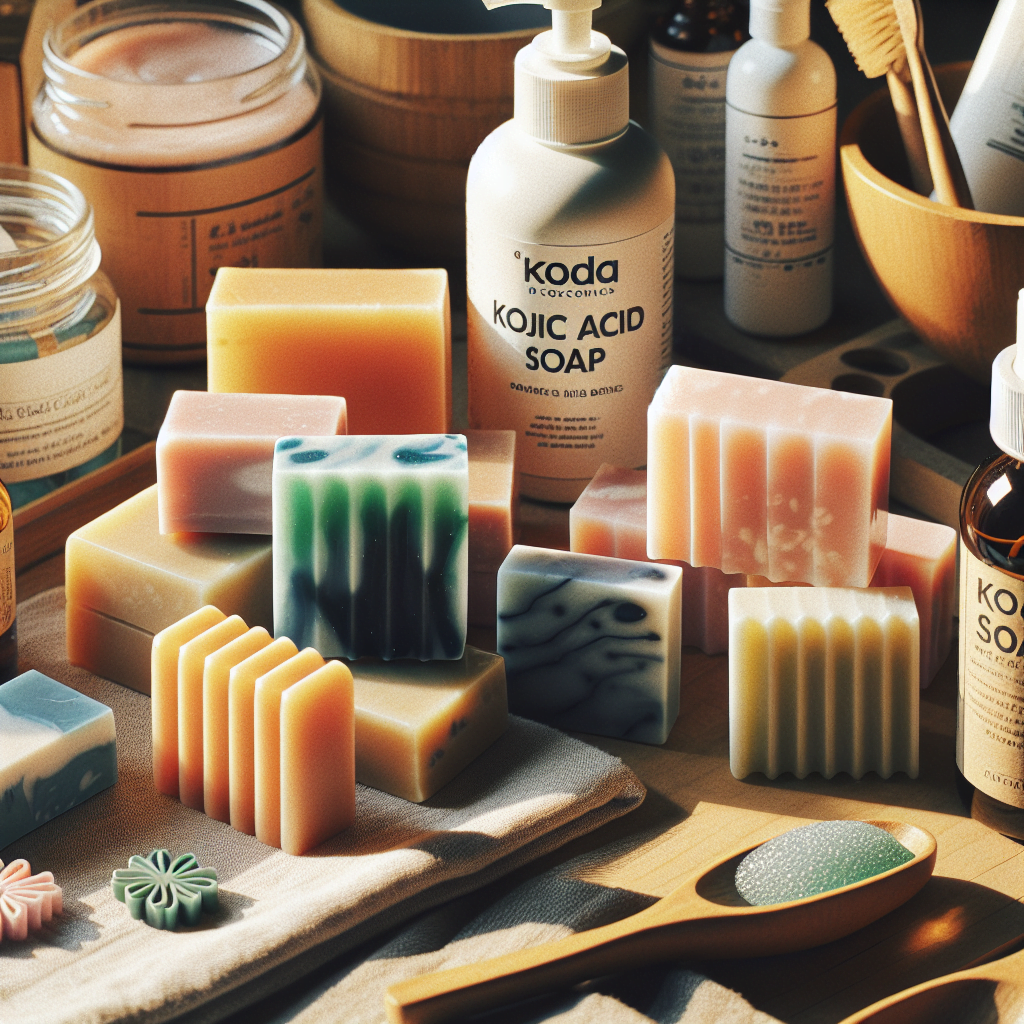
Kojic acid soap has gained popularity in recent years as an option for people dealing with dark spots and uneven skin tone. In this article, we’ll dive deep into the world of kojic acid soap, exploring its benefits, how it works, and the best ways to incorporate it into your skincare routine for optimal results.
Used carefully, kojic acid soap can be a reasonable option for mild, uneven pigmentation. Used carelessly — left on too long, scrubbed hard, or used without sunscreen — it is more likely to irritate your skin than to improve it. This guide covers what kojic acid can and cannot do, and how to use the soap safely.
What is Kojic Acid and How Does it Work in Skin Care?
Kojic acid is a natural substance derived from certain types of fungi during the fermentation process. It’s well-known for its ability to lighten and brighten the skin by inhibiting melanin production.Kojic Acid Molecular StructureMelanin is the pigment responsible for giving our skin its color.
However, when melanin production is overactive, it can lead to the appearance of dark spots, age spots, and hyperpigmentation. Kojic acid works by blocking tyrosinase, the enzyme necessary for melanin synthesis, thus preventing the formation of excess pigment.
Benefits of Using Kojic Acid Soap for the Skin.
Incorporating kojic acid soap into your skincare routine can provide numerous benefits for your skin, including:
- Lightening dark spots, age spots, sun damage, and hyperpigmentation
- Antibacterial and antifungal properties to help combat acne and prevent infections
- Anti-aging effects by promoting a more even skin tone
How to Properly Use Kojic Acid Soap in Your Skincare Routine.
To maximize the benefits of kojic acid soap, it’s essential to use it correctly. Follow these steps for the best results:
- Work the kojic acid soap into a rich lather using warm water.
- Apply the lather to your skin, focusing on areas with hyperpigmentation or uneven tone.
- Allow the soap to sit on your skin for a few minutes before rinsing thoroughly.
- Start once a day — or once every other day if your skin is sensitive — and increase only if your skin tolerates it well. Any change is gradual: allow several weeks, and expect modest fading of dark spots rather than a dramatic change in your overall skin tone.
Remember to always follow up with a broad-spectrum sunscreen, as kojic acid can increase your skin’s sensitivity to UV rays.
Patch-Test First, and Do Not Skip Sunscreen.
Before using kojic acid soap on your face, patch-test it: apply the lather to a small area, such as behind the ear or along the jawline, once a day for a few days. Mild, brief tingling is common. Burning, strong stinging, swelling or a spreading rash means you should stop and not use it on larger areas.
Daily sunscreen matters more than the soap. Sunlight is one of the main drivers of pigmentation, and skin treated with lightening ingredients can be more sun-sensitive. Use a broad-spectrum sunscreen every morning, and reapply if you are outdoors for long periods. Without that step, dark spots often return or deepen, whatever soap you use.
Potential Side Effects and Precautions When Using Kojic Acid Soap.
While kojic acid soap is generally well-tolerated, some individuals may experience side effects, such as:
- Redness
- Irritation
- Rash
- Itching
- Contact dermatitis
If you notice any adverse reactions, stop using the soap and let your skin settle; see a dermatologist if the reaction is strong or does not clear. Rules on cosmetic ingredients vary by country, which is one more reason to buy from a reputable seller and check the label carefully.
For stubborn or spreading pigmentation — especially melasma, which often appears as larger patches on the cheeks, forehead or upper lip — see a dermatologist instead of escalating to stronger or mixed products on your own. Melasma usually needs a proper diagnosis and a supervised plan, and some over-the-counter “fairness” mixtures contain steroids or mercury, which can seriously damage skin.
How Does Kojic Acid Compare to Other Skin Lightening Ingredients?
Kojic acid is often compared to other popular skin lightening ingredients, such as hydroquinone. Kojic acid is sometimes compared with hydroquinone, which is a prescription-strength ingredient in many countries. The evidence that kojic acid matches it is limited, and the two are not like-for-like substitutes. If pigmentation is not improving, a dermatologist can advise whether a prescription option is appropriate.Kojic Acid vs. Other Skin Lightening Ingredients.
However, kojic acid is often considered a more natural alternative to harsh bleaching agents. Other gentle ingredients that can help even skin tone include vitamin C, niacinamide, and licorice extract.
What to Look for When Buying Kojic Acid Soap Products.
When shopping for kojic acid soap, there are a few key factors to consider:
- Check that kojic acid appears in the ingredient list. Concentrations are not always stated on soaps, so do not rely on a percentage claim alone.
- Opt for reputable brands, such as Kojie San and Koji White.
- Avoid soaps containing potentially harmful additives like mercury.
How Kojic Acid Works to Inhibit Melanin Production in the Skin.
Kojic acid’s primary mechanism of action is the suppression of tyrosinase, the enzyme crucial for melanin synthesis. By disrupting this process, kojic acid effectively prevents the skin from producing excess melanin, which is responsible for dark spots and uneven pigmentation.Melanin Production Process
The Synergistic Effects of Combining Kojic Acid with Other Skincare Actives.
Combinations are widely marketed, but stronger is not automatically better — layering several lightening ingredients also raises the chance of irritation:
- Kojic acid sometimes appears alongside hydroquinone in prescription combinations — use those only under medical supervision.
- Vitamin C and kojic acid can boost antioxidant benefits.
- Niacinamide and kojic acid may work synergistically to improve uneven skin tone.
Kojic Acid Soap Compared to Other Forms of Kojic Acid in Skincare.
While kojic acid soap is a popular choice, kojic acid is also available in various other forms, such as serums, creams, toners, and powders. Soaps allow kojic acid to penetrate the skin with a short contact time, while leave-on products like serums and creams provide longer exposure for potentially enhanced benefits.Kojic Acid Skincare Products
Tips for Maximizing the Skin Lightening Benefits of Kojic Acid Soap
To achieve the best possible results with kojic acid soap, keep these tips in mind:
- If your skin tolerates it and you see gradual improvement, use it consistently for a few months before judging the result. If there is no change after a few months, or the pigmentation keeps spreading, stop and see a dermatologist.
- Pair it with other skin-brightening products containing vitamin C, niacinamide, or licorice extract.
- Always apply sunscreen during the day to prevent UV exposure from worsening hyperpigmentation.
Skincare Routine with Kojic Acid SoapBy following this comprehensive guide and incorporating kojic acid soap into your skincare routine, you can judge fairly whether it is helping your dark spots. Keep expectations modest: gradual fading of spots is a realistic goal; a completely different skin tone is not. Remember to use kojic acid soap consistently, pair it with complementary skincare actives, and always protect your skin from the sun for the best results.
Sources
Related guides
- Cursed Complexion? Break the Spell With These 3 Skincare Remedies
- Vitamin D Deficiency: What NIH Guidance Says, Without Diagnosis or Dose Advice
- How Much Water Do You Need? What Health Guidance Says
By the FitNTip Editorial Team · Last updated: 12 April 2024
How FitNTip builds its guides: our articles are compiled from official public sources — including the Indian Food Composition Tables (ICMR–National Institute of Nutrition), USDA FoodData Central and the WHO healthy diet guidance — and reviewed against them when updated.
This article is educational and is not medical advice. If you have a medical condition, are pregnant, or plan a major change in diet or training, talk to your doctor first.
This article is for informational and educational purposes only. It does not constitute medical advice, diagnosis, or treatment. The information presented is researched from trusted sources including peer-reviewed scientific journals, CDC, NIH, WHO, and recognized health organizations. Always consult a qualified healthcare professional before making any changes to your diet, exercise routine, or health regimen.