Anti Ageing Diet: Nutritional Strategies for a Timeless You

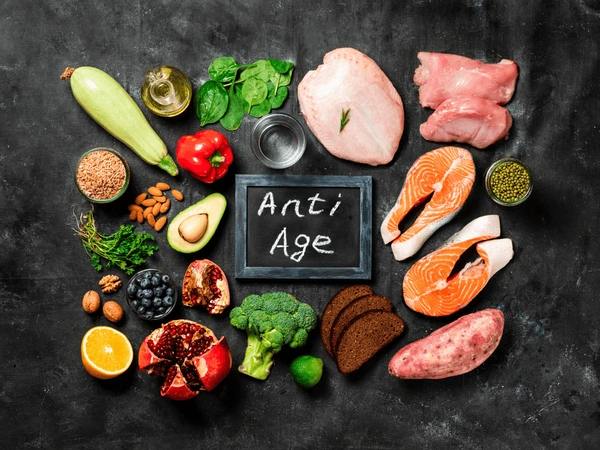
Ageing is a natural process that affects everyone, but the way we age can be significantly influenced by our lifestyle choices, particularly our diet and nutrition. A healthy diet plays a crucial role in maintaining overall health, vitality, and longevity as we grow older. Proper nutrition can help prevent age-related diseases, boost cognitive function, and even slow down the visible signs of ageing.
Also Read-Dengue Fever Outbreak Threatens Paris Olympics 2024
The Connection Between Ageing and Nutrition.
As we age, our bodies undergo various changes that can affect our nutritional needs and how we process food. These changes include:
- Decreased metabolism
- Reduced muscle mass
- Changes in digestive efficiency
- Altered hormone levels
- Weakened immune system
A well-balanced, nutrient-rich diet can help counteract these changes and support healthy ageing.
| Aspect | Impact on Ageing | Nutritional Solution |
|---|---|---|
| Metabolism | Slows down with age | Increase protein intake, engage in regular exercise |
| Muscle Mass | Decreases over time | Consume adequate protein and engage in strength training |
| Digestion | Becomes less efficient | Eat fiber-rich foods and stay hydrated |
| Hormones | Levels change, affecting various bodily functions | Include foods rich in phytoestrogens and omega-3 fatty acids |
| Immune System | Weakens with age | Consume antioxidant-rich foods and probiotics |
Key Nutrients for Healthy Ageing.
Antioxidants: Your Anti-Ageing Allies.
Antioxidants are compounds that help protect our cells from damage caused by free radicals, which are unstable molecules that can accelerate the ageing process. Including a variety of antioxidant-rich foods in your diet can help combat oxidative stress and promote healthy ageing.
Top Antioxidant-Rich Foods:
- Berries (blueberries, strawberries, raspberries)
- Dark leafy greens (spinach, kale, collard greens)
- Nuts and seeds (walnuts, almonds, chia seeds)
- Dark chocolate (70% cocoa or higher)
- Green tea
Omega-3 Fatty Acids: Brain Boosters and Inflammation Fighters.
Omega-3 fatty acids, particularly EPA and DHA, are essential for brain health and can help reduce inflammation throughout the body. As we age, inflammation can contribute to various chronic diseases, so incorporating omega-3s into your diet is crucial.
Sources of Omega-3 Fatty Acids:
- Fatty fish (salmon, mackerel, sardines)
- Flaxseeds and chia seeds
- Walnuts
- Algae and algae-based supplements (for vegetarians and vegans)
Protein: Maintaining Muscle Mass and Strength.
As we age, our bodies become less efficient at processing protein, making it essential to increase our intake to maintain muscle mass and strength. Adequate protein consumption, combined with regular exercise, can help prevent sarcopenia (age-related muscle loss).
Protein-Rich Foods for Healthy Ageing:
- Lean meats (chicken, turkey, lean beef)
- Fish and seafood
- Eggs
- Legumes (beans, lentils, chickpeas)
- Greek yogurt and cottage cheese
- Plant-based proteins (tofu, tempeh, seitan)
Calcium and Vitamin D: Building Strong Bones.
Bone density naturally decreases with age, making it crucial to consume adequate calcium and vitamin D to maintain bone health and prevent osteoporosis.
Foods Rich in Calcium and Vitamin D:
- Dairy Products (milk, Yogurt, Cheese)
- Fortified plant-based milk alternatives
- Leafy greens (kale, collard greens, bok choy)
- Fatty fish (salmon, sardines with bones)
- Egg yolks
- Fortified cereals and juices
Fiber: Digestive Health and Disease Prevention.
A high-fiber diet is essential for maintaining digestive health, regulating blood sugar levels, and reducing the risk of chronic diseases such as heart disease and certain cancers.
Fiber-Rich Foods for Healthy Ageing:
- Whole Grains (oats, Quinoa, Brown Rice)
- Legumes (beans, lentils, peas)
- Fruits (apples, pears, berries)
- Vegetables (broccoli, Brussels sprouts, carrots)
- Nuts and seeds
Hydration: The Often Overlooked Anti-Ageing Elixir.
Proper hydration is crucial for healthy ageing, as it helps maintain skin elasticity, supports cognitive function, and aids in digestion and nutrient absorption. As we age, our sense of thirst may diminish, making it important to consciously increase fluid intake.
Tips for Staying Hydrated:
- Aim for at least 8 glasses of water per day
- Include hydrating foods in your diet (cucumbers, watermelon, zucchini)
- Limit caffeine and alcohol consumption
- Drink a glass of water with each meal
- Keep a water bottle nearby as a reminder to drink throughout the day
The Mediterranean Diet: A Blueprint for Healthy Ageing
The Mediterranean diet has long been associated with longevity and healthy ageing. This eating pattern emphasizes:
- Plenty of fruits and vegetables
- Whole grains
- Lean proteins, especially fish
- Healthy fats, particularly olive oil
- Moderate consumption of red wine
- Limited processed foods and red meat
Research has shown that following a Mediterranean-style diet can reduce the risk of heart disease, stroke, and cognitive decline, making it an excellent choice for those looking to age gracefully.
Superfoods for Ageing Gracefully.
While no single food can stop the ageing process, certain nutrient-dense foods have been shown to have particularly beneficial effects on ageing:
Avocado: Rich in healthy monounsaturated fats and vitamin E, avocados can help improve skin elasticity and reduce inflammation.
Blueberries: Packed with antioxidants, blueberries may help improve memory and cognitive function.
Turmeric: This golden spice contains curcumin, a powerful anti-inflammatory compound that may help reduce the risk of age-related diseases.
Pomegranate: High in antioxidants, pomegranates may help protect against heart disease and certain types of cancer.
Leafy greens: Spinach, kale, and other leafy greens are rich in vitamins, minerals, and antioxidants that support overall health and longevity.
Nuts: Walnuts, almonds, and other nuts provide healthy fats, protein, and antioxidants that can support brain health and reduce inflammation.
Mindful Eating for Healthy Ageing.
In addition to focusing on nutrient-dense foods, adopting mindful eating habits can contribute to healthy ageing:
- Practice portion control: As metabolism slows with age, it’s important to adjust portion sizes to maintain a healthy weight.
- Eat slowly and savor your meals: This can improve digestion and help you feel more satisfied with smaller portions.
- Listen to your body’s hunger and fullness cues: Eating when you’re truly hungry and stopping when you’re comfortably full can help prevent overeating.
- Limit processed foods and added sugars: These can contribute to inflammation and accelerated ageing.
- Enjoy meals with others: Social connections are important for mental health and can make eating more enjoyable.
The Role of Supplements in Healthy Ageing.
While it’s best to obtain nutrients from whole foods, certain supplements may be beneficial for healthy ageing, especially if dietary intake is insufficient:
- Vitamin B12: As we age, our ability to absorb B12 from food decreases, making supplementation important for many older adults.
- Vitamin D: Many people, especially those living in northern latitudes, may benefit from vitamin D supplements to support bone health and immune function.
- Omega-3 fatty acids: For those who don’t consume enough fatty fish, an omega-3 supplement may be beneficial for heart and brain health.
- Calcium: If dietary intake is low, calcium supplements may help maintain bone density.
- Probiotics: These can support digestive health and immune function, which may become compromised with age.
Always consult with a healthcare professional before starting any new supplement regimen, as some supplements can interact with medications or have side effects.
Lifestyle Factors That Complement a Healthy Diet for Ageing.
While nutrition plays a crucial role in healthy ageing, it’s important to consider other lifestyle factors that work synergistically with a good diet:
Regular exercise: Physical activity helps maintain muscle mass, bone density, and cognitive function. Aim for a combination of aerobic exercise, strength training, and flexibility work.
Adequate sleep: Quality sleep is essential for cellular repair, hormone regulation, and overall health. Aim for 7-9 hours of sleep per night.
Stress management: Chronic stress can accelerate the ageing process. Practice stress-reduction techniques such as meditation, yoga, or deep breathing exercises.
Social connections: Maintaining strong social ties can contribute to mental health and longevity. Stay connected with friends and family, and consider joining community groups or volunteering.
Mental stimulation: Engaging in mentally stimulating activities like reading, puzzles, or learning new skills can help maintain cognitive function as you age.
Overcoming Common Obstacles to Good Nutrition in Older Adults.
As we age, certain factors can make it challenging to maintain a healthy diet. Here are some common obstacles and strategies to overcome them:
Decreased appetite: Try eating smaller, more frequent meals throughout the day, and focus on nutrient-dense foods to ensure adequate nutrition.
Difficulty chewing or swallowing: Opt for softer foods or consider using a blender to create nutritious smoothies or soups.
Limited mobility: Look into grocery delivery services or meal kit subscriptions to ensure access to fresh, healthy ingredients.
Fixed income: Plan meals around seasonal produce and sales, and consider buying in bulk or freezing leftovers to save money.
Medication interactions: Consult with a healthcare provider or pharmacist about potential food-drug interactions and how to adjust your diet accordingly.
The Future of Nutrition and Ageing Research.
As our understanding of the ageing process continues to evolve, so does the field of nutrition and its impact on longevity. Some exciting areas of research include:
- The role of the gut microbiome in healthy ageing
- Personalized nutrition based on genetic profiles
- The potential of specific compounds (like resveratrol and NMN) to slow the ageing process
- The impact of intermittent fasting and time-restricted eating on longevity
- The development of functional foods specifically designed to support healthy ageing
As research progresses, we can expect to see more targeted nutritional strategies to support healthy ageing and potentially extend the human lifespan.
FAQ.
Q: At what age should I start focusing on a healthy diet for ageing?
A: It’s never too early to start! While the effects of diet on ageing become more apparent as we get older, establishing healthy eating habits early in life can set the foundation for healthy ageing.
Q: Can a healthy diet reverse the signs of ageing?
A: While a healthy diet can’t completely reverse ageing, it can help slow down the process and potentially improve some age-related changes, such as skin elasticity and cognitive function.
Q: Is it necessary to follow a specific diet plan for healthy ageing?
A: While specific diets like the Mediterranean diet have shown benefits for healthy ageing, the most important factor is consuming a variety of nutrient-dense foods and maintaining overall balanced nutrition.
Q: How much protein do older adults need?
A: Older adults generally need more protein than younger adults. The current recommendation is about 1.0-1.2 grams of protein per kilogram of body weight per day for healthy older adults.
Q: Are there any foods I should avoid as I age?
A: While moderation is key, it’s generally advisable to limit processed foods, added sugars, and excessive amounts of saturated fats as you age. These can contribute to inflammation and increase the risk of chronic diseases.
In conclusion, adopting a healthy diet rich in nutrients that support ageing is a powerful tool for maintaining vitality and quality of life as we grow older. By focusing on whole, nutrient-dense foods, staying hydrated, and complementing good nutrition with other healthy lifestyle habits, we can set the stage for graceful and vibrant ageing. Remember, it’s never too late to start making positive changes to your diet and lifestyle for the benefit of your long-term health and well-being.
Disclaimer: The information provided in this article is for educational purposes only and should not be considered as medical advice. Always consult with a qualified healthcare professional before making significant changes to your diet or lifestyle, especially if you have pre-existing health conditions or are taking medications. Individual nutritional needs may vary, and what works
This article is for informational and educational purposes only. It does not constitute medical advice, diagnosis, or treatment. The information presented is researched from trusted sources including peer-reviewed scientific journals, CDC, NIH, WHO, and recognized health organizations. Always consult a qualified healthcare professional before making any changes to your diet, exercise routine, or health regimen.