Sleep Deprivation: The Silent Epidemic Undermining Our Health and Well-Being

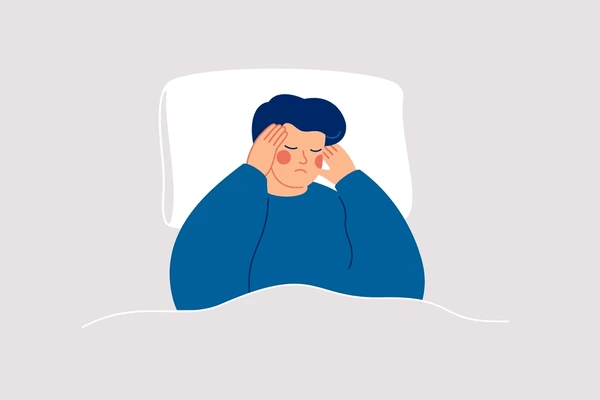
Sleep Deprivation. In today’s fast-paced world, sleep often takes a backseat to work, social obligations, and endless digital distractions. However, this chronic lack of sleep is taking a severe toll on our physical and mental health, relationships, and overall quality of life. Recent studies have revealed alarming statistics about the prevalence and consequences of sleep deprivation, prompting experts to declare it a public health crisis that demands urgent attention.
Also Read-Sleep Meditation – Calming Your Mind for Restful Nights
According to the National Sleep Foundation, adults need 7-9 hours of sleep per night for optimal health and functioning. Yet a 2024 survey by the Centers for Disease Control and Prevention found that over one-third of American adults regularly get less than 7 hours of sleep. This widespread sleep deprivation has far-reaching effects that impact nearly every aspect of our lives.
| Sleep Deprivation Statistics | |
|---|---|
| % of adults getting <7 hours of sleep | 35.2% |
| Annual cost to US economy | $411 billion |
| Increased risk of obesity | 55% |
| Increased risk of diabetes | 50% |
| Increased risk of heart disease | 48% |
| Increased risk of depression | 36% |
The Hidden Dangers of Chronic Sleep Loss.
While the immediate effects of a poor night’s sleep are obvious – grogginess, irritability, difficulty concentrating – the long-term consequences of chronic sleep deprivation are far more insidious and damaging. Dr. Matthew Walker, neuroscientist and sleep expert at the University of California, Berkeley, warns: “The shorter you sleep, the shorter your life span.”
Research has linked insufficient sleep to a host of serious health problems:
- Weakened Immune System: Studies show that people who sleep less than 7 hours a night are nearly 3 times more likely to develop a cold when exposed to the virus compared to those who sleep 8 hours or more. Sleep deprivation suppresses immune function, leaving us more vulnerable to infections and disease.
- Cardiovascular Disease: Chronic sleep loss increases inflammation and stress hormones in the body, raising blood pressure and the risk of heart attack and stroke. One study found that people sleeping less than 6 hours a night had a 48% higher risk of developing or dying from heart disease.
- Diabetes and Obesity: Sleep plays a crucial role in regulating hormones that control appetite and metabolism. Sleep deprivation leads to increased levels of ghrelin (the “hunger hormone”) and decreased levels of leptin (which signals fullness). This hormonal imbalance increases cravings for high-calorie foods and makes weight gain more likely.
- Mental Health Issues: The relationship between sleep and mental health is complex and bidirectional. Lack of sleep can exacerbate symptoms of anxiety, depression, and other mood disorders. Conversely, these conditions often disrupt sleep, creating a vicious cycle.
- Cognitive Decline: Sleep is essential for memory consolidation and brain plasticity. Chronic sleep deprivation has been linked to accelerated cognitive decline and may increase the risk of dementia and Alzheimer’s disease later in life.
The Sleep-Deprived Brain: A Ticking Time Bomb.
Perhaps most alarming are the effects of sleep deprivation on cognitive function and mental performance. Dr. Charles Czeisler, Chief of Sleep Medicine at Brigham and Women’s Hospital, explains: “We now know that 24 hours without sleep or a week of sleeping four or five hours a night induces an impairment equivalent to a blood alcohol level of .1%. We would never say, ‘This person is a great worker! He’s drunk all the time!’ yet we continue to celebrate people who sacrifice sleep for work.”
This cognitive impairment has serious consequences:
- Decreased Productivity: Sleep-deprived workers are less efficient, make more mistakes, and have difficulty focusing on tasks. A study by RAND Corporation estimated that sleep deprivation costs the US economy up to $411 billion annually in lost productivity.
- Increased Accidents: Drowsy driving is responsible for an estimated 6,400 fatal crashes each year in the US. Sleep deprivation also increases the risk of workplace accidents, particularly in high-stakes professions like healthcare and transportation.
- Poor Decision-Making: Lack of sleep impairs judgment and increases risk-taking behavior. This can lead to poor financial, personal, and professional decisions with long-lasting consequences.
- Emotional Dysregulation: Sleep deprivation amplifies negative emotions while dulling positive ones. This can strain relationships and make it difficult to cope with daily stressors.
The Root Causes of Our Sleepless Society.
To address the sleep deprivation epidemic, we must first understand its underlying causes:
- Technology and the 24/7 Culture: The advent of smartphones, tablets, and constant connectivity has blurred the lines between work and personal time. Many people feel pressure to be “always on,” checking emails late into the night and sacrificing sleep for productivity.
- Artificial Light Exposure: The blue light emitted by electronic devices suppresses melatonin production, disrupting our natural sleep-wake cycles. This makes it harder to fall asleep and reduces sleep quality.
- Stress and Anxiety: The pressures of modern life – financial worries, work demands, family obligations – can make it difficult to quiet the mind and relax at bedtime.
- Shift Work and Irregular Schedules: Millions of people work non-traditional hours, forcing their bodies to operate against natural circadian rhythms. This can lead to chronic sleep disturbances and associated health problems.
- Sleep Disorders: Conditions like insomnia, sleep apnea, and restless leg syndrome affect millions of people, often going undiagnosed and untreated.
The Sleep Revolution: Reclaiming Our Right to Rest.
The good news is that the tide is turning. As awareness of sleep’s importance grows, individuals, organizations, and policymakers are taking steps to prioritize rest and combat sleep deprivation:
- Corporate Wellness Programs: Forward-thinking companies are implementing nap rooms, flexible schedules, and sleep education initiatives to support employee well-being and boost productivity.
- School Start Time Changes: Many school districts are pushing back start times for adolescents, recognizing that teens’ natural sleep patterns conflict with traditional early morning schedules.
- Public Health Campaigns: Government agencies and non-profit organizations are launching awareness campaigns to educate the public about the importance of sleep and provide strategies for improving sleep habits.
- Technological Solutions: A new wave of sleep-tracking devices, smart mattresses, and apps are helping people monitor and optimize their sleep patterns.
- Medical Advancements: Research into sleep disorders is leading to more effective treatments and interventions for conditions like insomnia and sleep apnea.
Prioritizing Sleep: A Personal and Societal Imperative.
While systemic changes are crucial, individuals must also take responsibility for their sleep health. Here are some evidence-based strategies for improving sleep quality and duration:
- Stick to a Consistent Sleep Schedule: Go to bed and wake up at the same time every day, even on weekends. This helps regulate your body’s internal clock.
- Create a Relaxing Bedtime Routine: Engage in calming activities like reading, gentle stretching, or meditation in the hour before bed to signal to your body that it’s time to wind down.
- Optimize Your Sleep Environment: Keep your bedroom cool, dark, and quiet. Invest in a comfortable mattress and pillows that support proper alignment.
- Limit Screen Time: Avoid electronic devices for at least an hour before bed, or use blue light-blocking glasses if screen use is unavoidable.
- Watch Your Diet: Avoid caffeine, alcohol, and large meals close to bedtime. These can interfere with sleep quality and make it harder to fall asleep.
- Exercise Regularly: Physical activity can improve sleep quality, but avoid vigorous exercise too close to bedtime.
- Manage Stress: Practice stress-reduction techniques like deep breathing, progressive muscle relaxation, or journaling to calm an anxious mind.
- Consider Cognitive Behavioral Therapy for Insomnia (CBT-I): This evidence-based treatment can help address the underlying thought patterns and behaviors that contribute to sleep problems.
The Future of Sleep Science
As our understanding of sleep’s critical role in health and well-being deepens, exciting developments are on the horizon:
- Personalized Sleep Medicine: Advances in genetic testing and sleep monitoring technology may soon allow for highly individualized sleep recommendations and treatments.
- Chronotherapy: Tailoring medical treatments to align with a patient’s circadian rhythms could enhance effectiveness and reduce side effects.
- Brain-Computer Interfaces: Emerging technologies may one day allow us to directly influence brain activity to promote better sleep or even enhance the restorative effects of sleep.
- Sleep-Enhancing Environments: Smart homes equipped with circadian lighting, temperature control, and noise-canceling technology could create optimal conditions for rest.
Conclusion: Embracing the Power of Sleep
The sleep deprivation epidemic is a wake-up call for our society. By recognizing sleep as a fundamental pillar of health and well-being, we can unlock tremendous benefits for individuals and communities alike. From improved physical health and mental clarity to enhanced creativity and emotional resilience, quality sleep is the foundation upon which a thriving life is built.
As we move forward, let us challenge the notion that sleep is a luxury or a sign of weakness. Instead, we must embrace sleep as the powerful, restorative force it truly is – one that holds the key to unlocking our full potential and living healthier, happier, and more fulfilling lives.
FAQs:
- How much sleep do I really need? While individual needs vary, most adults require 7-9 hours of sleep per night for optimal health and functioning. Children and teenagers generally need more sleep, with recommendations ranging from 8-13 hours depending on age.
- Is it possible to “catch up” on lost sleep? While you can’t fully make up for chronic sleep deprivation, getting extra sleep on weekends or during vacation can help reduce your sleep debt. However, it’s best to maintain a consistent sleep schedule rather than relying on periodic catch-up sleep.
- Are naps beneficial or harmful? Short naps (20-30 minutes) can be refreshing and boost alertness. However, longer naps or napping late in the day can interfere with nighttime sleep. If you struggle with insomnia, it’s generally best to avoid napping altogether.
- How can I tell if I’m getting enough quality sleep? Signs of adequate sleep include feeling refreshed upon waking, maintaining alertness throughout the day, and falling asleep relatively quickly at night. If you consistently feel tired or rely on caffeine to function, you may not be getting enough quality sleep.
- Is it true that some people need less sleep than others? While there is some genetic variation in sleep needs, true “short sleepers” who thrive on less than 6 hours of sleep are extremely rare. Most people who claim to need less sleep are actually chronically sleep-deprived and have adapted to functioning suboptimally.
Disclaimer: This article is for informational purposes only and is not intended as medical advice. Please consult a healthcare professional for advice regarding sleep disorders or any health-related issues.
This article is for informational and educational purposes only. It does not constitute medical advice, diagnosis, or treatment. The information presented is researched from trusted sources including peer-reviewed scientific journals, CDC, NIH, WHO, and recognized health organizations. Always consult a qualified healthcare professional before making any changes to your diet, exercise routine, or health regimen.