Plant-Based Athlete Nutrition: Fueling Performance While Maintaining a Healthy Weight


In recent years, plant-based diets have gained significant traction among athletes seeking to optimize their performance while maintaining a healthy weight. This comprehensive guide explores the latest research and practical strategies for plant-based athlete nutrition, providing valuable insights into fueling athletic performance through a balanced, plant-centric approach.
Also Read-Plant-Based Alternatives to Popular High-Calorie Foods for Weight Loss
Plant-based diets, which emphasize the consumption of fruits, vegetables, whole grains, legumes, nuts, and seeds, have been shown to offer numerous health benefits. For athletes, these benefits can translate into improved recovery times, reduced inflammation, and enhanced overall performance. However, careful planning is essential to ensure that plant-based athletes meet their unique nutritional needs while supporting their training and competition goals.
| Nutrient | Plant-Based Sources | Recommended Daily Intake for Athletes |
|---|---|---|
| Protein | Legumes, tofu, tempeh, seitan, quinoa | 1.2-2.0 g/kg body weight |
| Iron | Lentils, spinach, fortified cereals, pumpkin seeds | 18 mg (women), 8 mg (men) |
| Calcium | Fortified plant milks, leafy greens, almonds | 1000-1300 mg |
| Vitamin B12 | Fortified foods, nutritional yeast, supplements | 2.4 mcg |
| Omega-3 Fatty Acids | Flaxseeds, chia seeds, walnuts, algae-based supplements | 1.6 g (men), 1.1 g (women) |
Source: Academy of Nutrition and Dietetics.
The Power of Plant-Based Nutrition for Athletes.
Plant-based diets offer a wealth of nutrients that can support athletic performance and overall health. Rich in complex carbohydrates, these diets provide sustained energy for endurance activities. Additionally, the high fiber content aids in digestion and promotes a feeling of fullness, which can be beneficial for weight management.
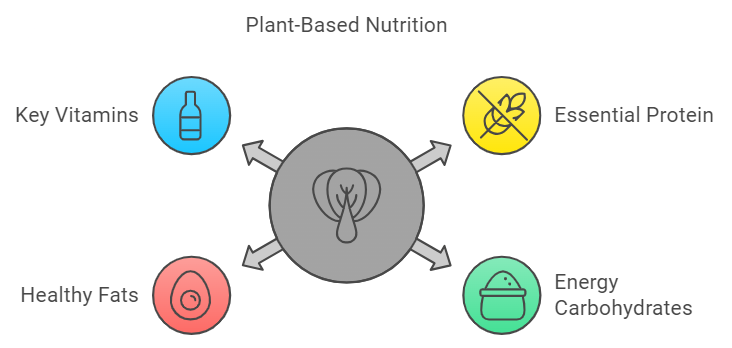
Macronutrient Considerations.
Protein: Contrary to popular belief, plant-based athletes can easily meet their protein requirements through a variety of plant sources. Legumes, tofu, tempeh, seitan, and quinoa are excellent protein sources. Athletes should aim for 1.2-2.0 g of protein per kg of body weight, depending on their specific sport and training intensity.
Carbohydrates: Plant-based diets are naturally rich in complex carbohydrates, which are essential for fueling endurance activities. Whole grains, fruits, and starchy vegetables provide sustained energy and aid in glycogen replenishment.
Fats: Healthy fats from sources like avocados, nuts, and seeds are crucial for hormone production and absorption of fat-soluble vitamins. Plant-based athletes should ensure adequate intake of omega-3 fatty acids through sources like flaxseeds, chia seeds, and walnuts.
Micronutrients: The Unsung Heroes
Plant-based diets are typically rich in vitamins, minerals, and antioxidants. These micronutrients play crucial roles in energy metabolism, muscle function, and recovery. However, athletes should pay special attention to certain nutrients that may require additional planning:
Iron.
Iron is crucial for oxygen transport and energy production. Plant-based sources of iron include lentils, spinach, and fortified cereals. To enhance iron absorption, consume iron-rich foods with vitamin C sources like citrus fruits or bell peppers.
Calcium.
Calcium is essential for bone health and muscle function. Plant-based sources include fortified plant milks, leafy greens, and tofu processed with calcium sulfate. Aim for 1000-1300 mg of calcium daily.
Vitamin B12.
Vitamin B12 is primarily found in animal products, making it a nutrient of concern for plant-based athletes. Supplementation or consumption of fortified foods is recommended to meet the daily requirement of 2.4 mcg.
Zinc.
Zinc plays a role in immune function and protein synthesis. Plant-based sources include pumpkin seeds, lentils, and whole grains. Soaking and sprouting legumes and grains can enhance zinc absorption.
Fueling Strategies for Plant-Based Athletes.
Pre-Workout Nutrition.
Consuming a balanced meal 2-3 hours before exercise can optimize performance. Focus on easily digestible carbohydrates and moderate amounts of protein. For example:
- Oatmeal with berries and almond butter
- Whole grain toast with avocado and hummus
During Exercise Fueling.
For sessions lasting longer than 90 minutes, consider consuming easily digestible carbohydrates to maintain energy levels. Options include:
- Dates or dried fruit
- Sports gels made from natural ingredients
Post-Workout Recovery.
After intense training, prioritize replenishing glycogen stores and supporting muscle repair. Aim for a combination of carbohydrates and protein within 30-60 minutes post-exercise. Examples include:
- Smoothie with plant-based protein powder, banana, and spinach
- Quinoa bowl with roasted vegetables and tofu
Maintaining a Healthy Weight on a Plant-Based Diet.
Plant-based diets can be effective for weight management due to their typically lower calorie density and higher fiber content. However, athletes must ensure they’re consuming enough calories to support their training demands.
Calorie Balance for Athletes.
Calculate your Total Daily Energy Expenditure (TDEE) and adjust your intake based on your goals:
- Maintenance: Consume calories equal to your TDEE
- Weight loss: Create a modest calorie deficit (250-500 calories/day)
- Weight gain: Increase calories gradually (250-500 calories/day)
Nutrient-Dense Foods for Weight Management.
Focus on whole, minimally processed foods to maximize nutrient intake while managing weight:
- Leafy greens (kale, spinach, collards)
- Cruciferous vegetables (broccoli, cauliflower, Brussels sprouts)
- Berries (strawberries, blueberries, raspberries)
- Legumes (lentils, chickpeas, black beans)
- Whole grains (quinoa, brown rice, oats)
Latest Studies on Plant-Based Athlete Nutrition.
Recent research has shed light on the potential benefits of plant-based diets for athletes:
- A 2021 study published in the European Journal of Clinical Nutrition found that vegetarian and vegan athletes had comparable performance outcomes to omnivorous athletes, with no significant differences in aerobic capacity or strength.
- Research published in Nutrients in 2022 suggested that plant-based diets may offer anti-inflammatory benefits, potentially aiding in recovery and reducing the risk of overtraining syndrome.
- A 2023 meta-analysis in the International Journal of Sport Nutrition and Exercise Metabolism concluded that well-planned plant-based diets can meet the nutritional needs of athletes across various disciplines, with potential advantages in terms of cardiovascular health and body composition.
Frequently Asked Questions.
Q: Can plant-based athletes build muscle effectively?
A: Yes, plant-based athletes can build muscle effectively by consuming adequate protein from sources like legumes, tofu, and seitan, combined with a well-designed resistance training program.
Q: Are plant-based protein powders necessary for athletes?
A: While not essential, plant-based protein powders can be a convenient way to meet increased protein needs, especially for athletes with higher requirements or those struggling to consume enough through whole foods alone.
Q: How can plant-based athletes ensure they’re getting enough iron?
A: Consuming iron-rich plant foods like lentils, spinach, and fortified cereals, paired with vitamin C sources to enhance absorption, can help maintain adequate iron levels. Regular blood tests can monitor iron status.
Q: Is it possible to follow a plant-based diet for endurance sports?
A: Absolutely. Plant-based diets can provide ample carbohydrates for endurance activities. Many elite endurance athletes, including ultramarathon runners and triathletes, successfully follow plant-based diets.
Q: How can plant-based athletes optimize their omega-3 intake?
A: Including foods like flaxseeds, chia seeds, and walnuts can provide plant-based omega-3s. For those concerned about DHA levels, algae-based supplements are available.
In conclusion, plant-based athlete nutrition offers a viable and potentially advantageous approach to fueling performance while maintaining a healthy weight. By focusing on a diverse array of nutrient-dense plant foods and strategically planning meals and snacks, athletes can thrive on a plant-based diet. As with any significant dietary change, it’s advisable to consult with a registered dietitian specializing in sports nutrition to ensure individual needs are met. With proper planning and attention to key nutrients, plant-based athletes can achieve their performance goals while enjoying the many health benefits associated with this dietary approach.
Disclaimer:
This article is for informational purposes only and should not be considered medical advice. The content provided is based on research and general knowledge about plant-based nutrition for athletes. Every individual’s nutritional needs are unique, and what works for one person may not work for another. Before making any significant changes to your diet or exercise routine, especially if you have any pre-existing health conditions or are training for specific athletic goals, please consult with a qualified healthcare professional, registered dietitian, or certified nutritionist. The authors and publishers of this article are not responsible for any adverse effects or consequences resulting from the use of the suggestions, preparations, or procedures discussed in this article.
This article is for informational and educational purposes only. It does not constitute medical advice, diagnosis, or treatment. The information presented is researched from trusted sources including peer-reviewed scientific journals, CDC, NIH, WHO, and recognized health organizations. Always consult a qualified healthcare professional before making any changes to your diet, exercise routine, or health regimen.