Vegan Pasta Sauce Recipe – Easy Vegan Recipes For Beginners


Just when you think pasta is boring, you can elevate your meal with a delicious vegan pasta sauce that’s quick and simple to make. This guide will walk you through an easy recipe that not only enhances the flavor of your dishes but also provides a healthy, nutritious alternative for any pasta lover. Whether you’re a seasoned chef or a cooking novice, you’ll appreciate the fresh ingredients and basic techniques that ensure success in your kitchen. Get ready to impress yourself and your guests with this vibrant sauce!
Also Read-Vegan Recipe- Sweet potato & peanut curry.
Key Takeaways:
- Simple Ingredients: The recipe utilizes basic and accessible ingredients, making it easy for beginners to prepare.
- Flavor Options: You can customize the sauce with various herbs and spices, allowing for personal flavor preferences.
- Quick Preparation: The sauce can be made in a short amount of time, perfect for weeknight dinners.
Easy Vegan Pasta Sauce for Beginners.
This recipe is perfect for beginners who want to try their hand at making delicious vegan pasta sauce. It’s simple, quick, and requires minimal ingredients.
Yields: 4 servings Prep time: 10 minutes Cook time: 20 minutes
Ingredients:
- 1 tablespoon olive oil
- 1 medium onion, chopped
- 2 cloves garlic, minced
- 1 (28 ounce) can crushed tomatoes
- 1 (15 ounce) can tomato sauce
- 1/2 cup vegetable broth
- 1 teaspoon dried oregano
- 1/2 teaspoon dried basil
- 1/4 teaspoon salt
- 1/4 teaspoon black pepper
- Optional: 1/4 cup chopped fresh basil
Instructions:
- Heat the olive oil in a large saucepan over medium heat. Add the onion and cook until softened, about 5 minutes.
- Add the garlic and cook for 1 minute more.
- Stir in the crushed tomatoes, tomato sauce, vegetable broth, oregano, basil, salt, and pepper.
- Bring to a simmer and cook for 15-20 minutes, stirring occasionally, until the sauce has thickened.
- If desired, stir in the fresh basil.
- Serve hot over your favorite pasta.
Tips:
- For a richer flavor, use a good quality olive oil.
- Feel free to add other vegetables like mushrooms, peppers, or zucchini to your sauce.
- You can also add a pinch of red pepper flakes for a little heat.
- To make the sauce even smoother, blend it in a food processor or blender after cooking.
- Store leftovers in the refrigerator for up to 3 days.
Enjoy!
Pro tip: This sauce is also delicious over polenta, rice, or even as a dip for bread.
Types of Vegan Pasta Sauces.
To embrace the world of plant-based cooking, experimenting with different types of vegan pasta sauces can elevate your meal to new heights. There is a wide variety of sauces that you can whip up quickly, each bringing its own unique flavors and textures. Here are some popular types of vegan pasta sauces:
| Tomato-Based Sauces | Rich, savory, and often infused with herbs. |
| Creamy Vegan Sauces | Silky, smooth options often using nuts or plant milk. |
| Pesto Alternatives | Herb-infused sauces that substitute dairy with nuts and seeds. |
| Oil-Based Sauces | Simple and light, perfect for a quick meal. |
| Vegetable-Based Sauces | Utilizing puréed vegetables for a healthy twist. |
Tomato-Based Sauces.
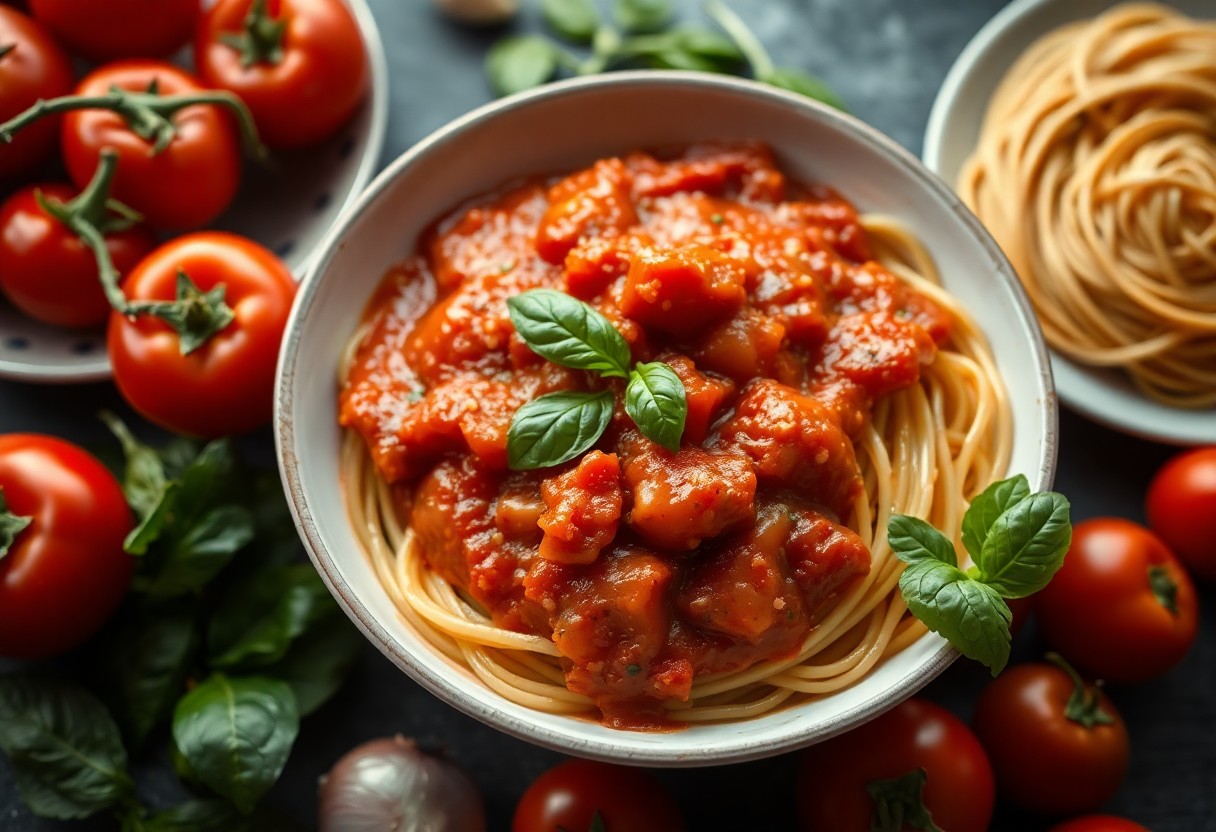
Pasta lovers often turn to tomato-based sauces for their bright flavors and hearty textures. These sauces serve as a base for many traditional Italian dishes and can be made with canned tomatoes, fresh produce, and a blend of spices. The versatility allows you to add ingredients like garlic, onion, and herbs to customize your sauce while keeping it entirely plant-based.
Using tomatoes as a primary ingredient not only provides a delightful acidity but also brings along numerous health benefits. You can easily make these sauces ahead of time and store them in your fridge or freezer for a quick meal any day of the week, further emphasizing their practicality in a busy plant-based kitchen.
Creamy Vegan Sauces.
Sauces that provide a creamy texture often rely on nuts, seeds, or plant-based milk, which brings back that luscious mouthfeel you might crave. Think of options such as cashew cream or silken tofu blended into a rich sauce that can be easily stirred into your choice of pasta. These creamy vegan sauces can also be enhanced with nutritional yeast, which adds a cheesy flavor without any dairy.
The beauty of creamy sauces lies in their adaptability; they can cater to many cravings, from indulgent mac and cheese to light alfredo. Swapping out traditional dairy ingredients for their plant-based counterparts not only benefits your health but also aligns with a sustainable lifestyle.
Pesto Alternatives.
The classic pesto sauce is typically made with basil, garlic, pine nuts, Parmesan cheese, and olive oil. You can create an equally delicious version without the cheese by using nutritional yeast or even silken tofu for a creamy twist. Adding various ingredients like sun-dried tomatoes or arugula can provide your sauce with innovative flavor profiles and textures, satisfying diverse palates.
The possibilities are endless when it comes to pesto alternatives—experimenting with different herbs, nuts, and seeds will open the door to delightful flavor combinations that complement your pasta beautifully.
TomatoBased sauces can be made with a variety of tomatoes such as Roma, San Marzano, or cherry tomatoes, each contributing distinct flavors and acidity levels. The important thing is that you find a balance that suits your palate while enjoying the process of creating these rich, plant-based dishes.
Tips for Perfect Vegan Pasta Sauce.
Now, making the perfect vegan pasta sauce is a simple task when you know the right tips to follow. Here are some necessary pointers to ensure your sauce is bursting with flavor:
- Always use fresh herbs for a vibrant taste.
- Choose ripe, seasonal tomatoes for the best flavor.
- Don’t rush the cooking process; let your sauce simmer to deepen flavors.
- Experiment with spices to add complexity to your sauce.
- Adjust the acidity with a splash of balsamic vinegar or lemon juice.
Assume that with these tips, your vegan pasta sauce will impress even the most dedicated carnivores at the table.
Flavor Enhancements.
While you can create a fantastic vegan pasta sauce with just a few ingredients, adding depth and richness can transform it into something extraordinary. Consider ingredients like nutritional yeast for a cheesy flavor or a drizzle of olive oil right before serving for added richness. You can also throw in some sautéed mushrooms or bell peppers to elevate the taste and texture.
Be adventurous! Add a touch of red pepper flakes for some heat or a handful of spinach for a nutritional boost and vibrant color. These flavor enhancements not only improve your sauce taste but also make your dish visually appealing.
Ingredient Substitutions.
To make your pasta sauce suitable for your dietary needs or taste preferences, there are plenty of ingredient substitutions you can explore. For instance, if you don’t have fresh tomatoes, canned tomatoes work just as well and can provide a hearty base. You can also swap out fresh basil for dried herbs if that’s what you have on hand, and vice versa.
Another great substitution is to use different types of plant-based protein, like lentils or chickpeas, to add substance and protein to your sauce. You can also replace traditional pasta with zucchini noodles or whole-grain pasta for a healthier option that fits your lifestyle.
Storage and Reheating.
Ingredient storage is just as important as preparation. If you have extra vegan pasta sauce, make sure to allow it to cool before transferring it to an airtight container. Store in the refrigerator for up to 5 days or freeze it for up to 3 months for a quick meal later. When reheating, ensure that your sauce is heated thoroughly to maintain its flavor and texture.
Vegan pasta sauce not only makes a great meal but also serves as a versatile component in your cooking arsenal. You can enhance it with various ingredients to suit your palate while quickly preparing it for future lunches or dinners. Keep it stored well, and you’ll always have a delicious option on hand.
Factors to Consider When Choosing Ingredients.
Despite the simplicity of creating a vegan pasta sauce, the choice of ingredients can significantly affect the final flavor and nutritional profile of your dish. When selecting your components, consider the following:
- Freshness of herbs and vegetables
- Seasonal ingredients for optimal taste
- Nutritional value and dietary restrictions
- Quality of oils and spices
This attention to detail will elevate your vegan pasta sauce from bland to vibrant and satisfying.
Fresh vs. Dry Ingredients.
With the choice between fresh and dry ingredients, it’s important to consider how each option affects your recipe’s flavor profile. Fresh herbs, such as basil or parsley, contribute a burst of brightness to your sauce that is hard to replicate with dried herbs. On the other hand, dried ingredients are convenient and have a longer shelf life, making them great for quick meals.
When using fresh ingredients, ensure they are at their peak for optimal flavor. Conversely, if you opt for dried herbs, a general guideline is to use one-third of the amount compared to fresh, as the concentration of flavor will be more intense. This balance can help you tailor your sauce to your taste preferences.
Seasonal Produce.
Even when it comes to seasonal produce, understanding what’s in season can significantly enhance the quality of your vegan pasta sauce. Seasonal fruits and vegetables are often fresher, more flavorful, and usually more affordable. When you source local, seasonal produce, you not only support local agriculture but also take advantage of ingredients at their peak flavor.
For instance, using summer tomatoes instead of out-of-season varieties will give your pasta sauce a rich, authentic taste that cannot be matched. Additionally, incorporating spring vegetables like asparagus or zucchini can add delightful textures and flavors, making your dish more appealing and nutritious.
Nutritional Value.
If you’re aiming for a healthy vegan pasta sauce, it’s important to focus on the nutritional value of your ingredients. Opting for whole foods, such as lentils, chickpeas, or a variety of colorful vegetables, can boost the nutrient content of your meal. Additionally, using healthy fats like olive oil in moderation can provide important fatty acids and create a more satisfying dish.
Plus, incorporating nutrient-dense ingredients not only enhances the health benefits of your meal but also contributes to a balanced diet. By choosing ingredients rich in vitamins, minerals, and antioxidants, you are not just preparing a meal, but fueling your body for optimal wellness.
Pros and Cons of Vegan Pasta Sauces.
Unlike traditional pasta sauces that often contain dairy or meat products, vegan pasta sauces offer a variety of benefits and drawbacks. Exploring these pros and cons can help you decide if incorporating them into your meals is the right choice for you.
Pros and Cons of Vegan Pasta Sauces.
| Pros | Cons |
|---|---|
| Usually lower in calories | Some may lack the richness of dairy-based sauces |
| High in plant nutrients | Can require special ingredients that may not be readily available |
| More sustainable and ethical choice | May not appeal to everyone’s taste |
| Suitable for various dietary restrictions | Some recipes may be time-consuming to prepare |
| Great way to explore new flavors | Can sometimes feel less filling |
Health Benefits.
Benefits of vegan pasta sauces extend beyond just taste; they can significantly enhance your overall health. Many vegan sauces are packed with crucial vitamins, minerals, and antioxidants thanks to the abundance of fruits, vegetables, nuts, and seeds used in their preparation. By incorporating these sauces into your meals, you might experience improved digestion, increased energy levels, and better heart health.
In addition, opting for a vegan pasta sauce can help you manage your weight. Since these sauces are often lower in calories and higher in fiber, they can contribute to a satisfying meal without the excess calories found in creamy, cheese-laden sauces. You gain the advantage of enjoying delicious food while taking care of your body.
Environmental Impact.
Impact of vegan pasta sauces is particularly significant when considering their environmental footprint. By choosing plant-based ingredients over meat and dairy, you are actively reducing your carbon footprint and the overall demand for resource-intensive animal farming. This simple switch can help mitigate issues like deforestation, water pollution, and habitat loss.
Environmental sustainability is a growing concern, and by incorporating vegan pasta sauces into your diet, you can play a part in promoting a healthier planet. The agricultural practices required for growing most vegetables and legumes tend to have a far lower impact than those involved in raising livestock. Therefore, you can enjoy your meals guilt-free, knowing you are contributing to a more sustainable food system.
Flavor and Variety.
Flavor is another area where vegan pasta sauces really shine. With countless recipes available, you can experiment with different ingredients such as tomatoes, lentils, mushrooms, or cashews to create unique and tantalizing flavors. This variety not only keeps your meals interesting but also allows you to tailor sauces to fit your taste preferences.
A wide range of international cuisines also offers delectable vegan options, from a spicy arrabbiata to a creamy cashew alfredo. This diversity means that you can explore various flavors and textures, ensuring your pasta dinners never become monotonous. Engaging with these different styles can also expand your culinary skills and impress your friends and family with your vibrant vegan creations.
Summing Up.
As a reminder, creating a vegan pasta sauce can be a quick and enjoyable experience that enhances your culinary skills and introduces you to a world of flavor. By utilizing simple, fresh ingredients, you can prepare delicious sauces that complement your favorite pasta dishes while adhering to a plant-based lifestyle. This not only caters to your dietary preferences but also opens up numerous opportunities for experimentation with various herbs, vegetables, and spices to create a sauce uniquely tailored to your taste.
As you commence on your journey with these easy vegan recipes for beginners, remember that the key is to focus on the quality of your ingredients and the balance of flavors. Whether you choose a robust marinara, a creamy cashew-based sauce, or a zesty pesto, the possibilities are endless. With practice, you will find yourself becoming more confident in the kitchen, and soon enough, you will be able to whip up mouthwatering vegan pasta sauces that impress not only yourself but also family and friends. Happy cooking!
This article is for informational and educational purposes only. It does not constitute medical advice, diagnosis, or treatment. The information presented is researched from trusted sources including peer-reviewed scientific journals, CDC, NIH, WHO, and recognized health organizations. Always consult a qualified healthcare professional before making any changes to your diet, exercise routine, or health regimen.