Contents
Most of us crave that delicious blend of rich chocolate, crunchy nuts, and a touch of salt to elevate our dessert game. Today, I’m sharing my absolute favorite brownie recipe that brings together these irresistibly contrasting flavors. You’re not just baking; you’re crafting a masterpiece that will impress your friends and satisfy your sweet tooth. Trust me, once you try these nutty and salty brownies, you’ll wonder why you didn’t make them sooner. Let’s look into this scrumptious world of flavor together!
The Magic of Nutty and Salty
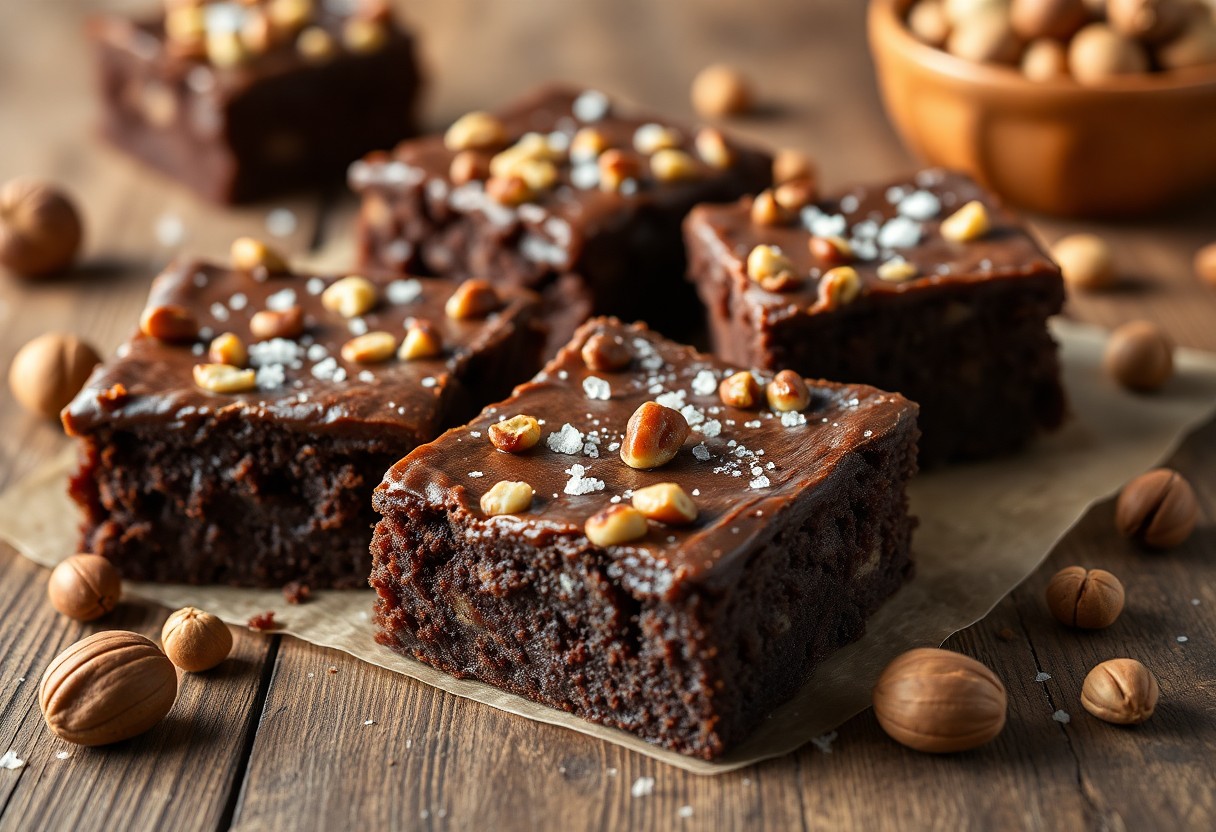
The combination of nutty and salty flavors in brownies creates an explosion of taste that elevates the classic dessert to another level. With each bite, you get to explore rich, indulgent textures and the perfect balance of savory bites that keep you coming back for more. Trust me, once you experience this richly delicious harmony, ordinary brownies just won’t cut it anymore.
Choosing the Right Nuts
An array of nuts can make a world of difference in your brownie game. Whether you opt for crunchy walnuts, creamy pecans, or even bold almonds, each choice adds its unique character. I encourage you to think about what excites your taste buds; that’s where you’ll find your magic!
Finding the Perfect Salt
Right from kosher to sea salt, the salt you choose can transform your brownies in unimaginable ways. It’s not just about sprinkling some on top; it’s about finding that perfect balance to amplify flavors. Pairing salt with chocolate creates this *insanely* delightful contrast that fuels every bite.
Also, you don’t want to go overboard—too much salt can ruin your entire batch! So when I’m hitting that sweet spot, I always start with just a pinch; that little hit can activate *rich* flavors in chocolate. Don’t underestimate how *wonderful* coarse salt flecks can be throughout your brownies—they add texture and that satisfying crunch! Get the balance right, and your dessert will not only taste amazing but also *wow* your friends and family.
Brownie Basics
While stepping into the world of brownies may seem straightforward, it’s important to grasp the foundational elements that set a good brownie apart from a great one. Understanding the balance of texture and flavor is key, and that’s why I’m sharing my insights on what makes brownies uniquely delightful. Let’s unravel the secrets behind the ideal chewy, fudgy, and utterly irresistible brownie experience that will keep everyone coming back for more!
Essential Ingredients
Among the important ingredients for a killer brownie, you’ll find high-quality chocolate, unsalted butter, and sugar. These components blend beautifully to create that rich, luscious flavor we all crave. Don’t skimp on quality here; it makes all the difference!
Secret Tricks for the Best Texture
Above all, getting that perfect brownie texture lies in a few secret tricks that seriously elevate your baking game. The right mixing tactics and baking time can turn a good brownie into an unforgettable one.
Ingredients play a significant role in achieving the best brownie texture. I always start by using room temperature eggs—this helps create a smooth batter that bakes evenly. Also, don’t be afraid to fold in the melted chocolate with care; overmixing can lead to a cakey outcome you want to avoid. Lastly, pulling your brownies out just before they seem fully baked gives that chewy center that everyone loves. Trust me; these tricks will leave you with brownies that are gooey, fudgy, and simply addictive!
Mixing It Up
There’s something magical about combining ingredients to create a masterpiece. When making brownies, how you mix everything together can make all the difference between a mediocre treat and a sensational one. You want that perfect blend of flavors and textures, so let’s investigate the details that will elevate your brownies to the next level!
Combining Wet and Dry Ingredients
Among the most vital steps in brownie-making is how you unite the wet and dry ingredients. You want to mix them until they just come together—don’t overdo it! The key here is to harness that energy and create a smooth batter without losing the tender texture that makes brownies so irresistible.
The Right Folding Technique
After you’ve combined your wet and dry ingredients, it’s time to get your folding technique spot on. This is where your brownies can go from average to extraordinary. If you just stir vigorously, you risk overmixing and creating a dense product, instead of the light and fudgy goodness you’re after.
A strong folding technique is all about being gentle and patient. Using a spatula, I recommend scraping the bottom and sides to incorporate all the ingredients—this ensures no flour pockets remain while still maintaining that signature brownie airiness. Don’t be afraid to lift and turn the batter, marrying the wet and dry without beating it into submission. This balance leads to the ultimate texture, making your brownies the star of any dessert spread. You want them to be fudgy, not like a brick—trust me on this! Go for that smooth, velvety consistency, and you’re golden!
Baking Like a Pro
To elevate your brownie game, it’s imperative to implement professional techniques that ensure your baked goods come out perfectly every single time. Focusing on the fundamentals will give you the confidence to experiment with flavors, allowing your creativity to shine. You’ll learn to spot the subtle cues of readiness, ensuring your nutty and salty brownies are nothing short of perfection.
Oven Temperature Tips
To achieve the best results, proper oven temperature is key. Ensure your oven is calibrated by using an oven thermometer to prevent undercooked brownies. Here are some oven temperature tips:
- Preheat your oven for at least 15-20 minutes.
- Use the *middle rack* for even heat distribution.
- Lower the temperature slightly in high-altitude baking.
After getting accustomed to the right temperature settings, your brownies will come out with that perfect fudgy texture every time!
| Temperature | Result |
| 325°F | Fudgy and moist brownies |
| 350°F | Classic, evenly baked brownies |
| 375°F | Chewy and slightly crisp edges |
Timing Your Bake
About timing, it’s all about finesse. Each oven is different, so you’ll need to pay close attention. While the recipe may suggest a baking time, I’ve learned to rely on *visual cues* like the firm edges and a slightly soft center to determine readiness. Set your timer, but don’t just assess time—let your instincts guide you.
Another tip is that you can always use the *toothpick test*. Insert one in the center, and if it comes out with a few moist crumbs, you’ve hit the jackpot. If it’s clean, you’ve likely overbaked them. Keep in mind that undercooked brownies might *not be a bad thing*—they can still taste amazing. Being aware of your brownie’s subtle signs will give you an edge, helping you create the *ultimate treat you’re after*.
Serving Suggestions
Now that you’ve whipped up those delicious brownies, it’s time to elevate your experience. I love serving these nutty and salty masterpieces warm, allowing the flavors to meld beautifully on your palate. Pair them with a side of fresh fruit, whipped cream, or even a scoop of your favorite ice cream for that extra indulgence. You’ll be the dessert hero of the day!
Pairing with Ice Cream
Serving brownies with a scoop of ice cream is a game-changer. I recommend a rich vanilla or a salted caramel flavor that perfectly complements the chocolatey goodness of your brownie. The contrast between the warm, fudgy texture of the brownie and the creamy coldness of the ice cream creates an unbeatable sweet moment that’ll have your taste buds dancing!
Creative Toppings
At this point, you can really let your creativity shine! I love layering on toppings like crushed nuts, sea salt flakes, or even drizzling melted chocolate for that *wow* factor. The beauty of brownies is that they’re a blank canvas – add whatever flavors you love. Whether you fancy a touch of flaky sea salt or zesty orange zest, the sky is the limit!
Further, be adventurous with your toppings! Try crunchy toppings like toasted coconut or chopped pretzels for a delightful twist. You can also use peanut butter or Nutella drizzled on top for a rich, creamy finish. The key is to balance the sweet and salty vibes while adding texture. Don’t be shy; take risks! Your brownies deserve to shine, so sprinkle some magic on top and watch your friends rave about your baking prowess!
FAQ on Brownie Perfection
Despite the myriad of brownie recipes floating around, many home bakers still struggle to achieve that perfect balance of gooeyness and texture. Let’s tackle your burning questions to ensure your brownies hit the sweet spot every time. Trust me; I’ve been there, and with the right answers, you’ll conquer the kitchen like a pro.
Common Mistakes
With baking brownies, it’s easy to slip up. Overmixing your batter can lead to a tough texture, while not measuring your ingredients accurately may ruin the flavor. Let’s avoid these blunders and elevate your brownie game.
Storage Tips
Beside enjoying your brownies right out of the oven, proper storage can make a world of difference. Keep your brownies fresh and tasty with these tips:
- Store in an airtight container for maximum freshness
- Keep at room temperature for up to 3-4 days
- For longer storage, pop them in the freezer
The best approach will keep them delicious for days!
And if you want even more insights on brownie storage, consider these extra tips:
- Wrap your brownies in plastic wrap before placing them in the container
- Separate layers with parchment paper to prevent sticking
- Label and date your frozen brownies for easy access
The key is to protect that rich texture and flavor!
Final Words
Considering all points, it’s clear that the Nutty and Salty Brownie Recipe is a total game-changer. I mean, who doesn’t want a dessert that not only satisfies that sweet tooth but also adds a punch of flavor with every bite? You’ve got the chocolatey goodness blended with nutty textures and salty undertones—it’s all about balance. So, grab those ingredients, unleash your creativity, and get baking! Trust me, your taste buds will thank you, and you might just become the brownie boss in your circle. Let’s make this happen!

Hi there!
I’m C.K. Gupta, the founder and head writer at FitnTip.com. With a passion for health and wellness, I created FitnTip to share practical, science-backed advice to help you achieve your fitness goals.
Over the years, I’ve curated valuable information from trusted resources on topics like nutrition, exercise, weight loss, and overall well-being. My aim is to distill this knowledge into easy-to-understand tips and strategies you can implement in your daily life.
Whether you’re looking to get in shape, eat healthier, or simply feel your best, FitnTip is here to support and guide you. I believe that everyone has the potential to transform their health through sustainable lifestyle changes.
When I’m not researching the latest health trends or writing for FitnTip, you can find me trying out new fitness routines, experimenting with nutritious recipes, and spending quality time with loved ones.
I’m excited to have you join our community as we embark on this wellness journey together. Let’s make positive, lasting changes and unlock a healthier, happier you!