Contents
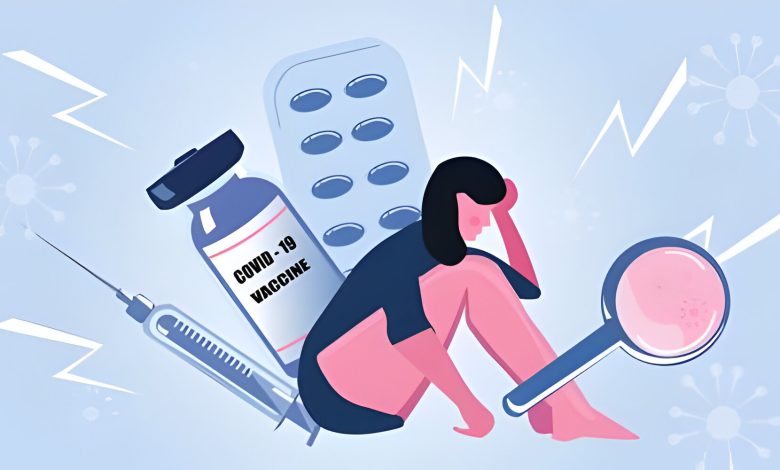
Covishield Side Effect. In a significant development, British-Swedish pharmaceutical company AstraZeneca has acknowledged in court documents that its widely used Covishield COVID-19 vaccine can cause an extremely rare but potentially life-threatening side effect called thrombosis with thrombocytopenia syndrome (TTS). This admission comes amidst an ongoing class action lawsuit against AstraZeneca in the UK over claims the vaccine caused deaths.
Also Read-Biohack Your Brain – Unleash Your Cognitive Potential
What is Thrombosis with Thrombocytopenia Syndrome (TTS)?
TTS is a newly identified and serious adverse event that has emerged following immunization with adenovirus vector-based COVID-19 vaccines like AstraZeneca’s Covishield (also known as Vaxzevria or ChAdOx1-S) and Johnson & Johnson’s Janssen vaccine.
It Is Characterized by The Following:
- Thrombosis: Formation of blood clots, often at unusual sites like the brain or abdomen
- Thrombocytopenia: Low blood platelet counts
- Symptoms onset 4-30 days after vaccination, most frequently within 2 weeks
Key Clinical Symptoms of TTS Include:
- Severe and persistent headaches
- Blurred vision
- Shortness of breath
- Chest pain
- Leg swelling
- Persistent abdominal pain
- Unusual skin bruising or pinpoint round spots beyond the injection site
If untreated, TTS can progress to serious complications like stroke and death in approximately 20% of cases. However, if identified early, effective treatments are available including non-heparin anticoagulants and high-dose intravenous immune globulin (IVIG).
In 2023, the World Health Organization issued an interim emergency guidance to increase awareness about identifying and managing TTS in the context of COVID-19 vaccination, noting “TTS is a serious and life-threatening adverse event.
How Common is the Risk of TTS After AstraZeneca’s Vaccine?
Current Evidence Suggests TTS Is an Extremely Rare Side Effect, Estimated to Occur in Around:
- 1 case per 100,000 to 250,000 vaccine doses overall
- 1 case per 50,000 to 100,000 in younger adults < 50 years old
For comparison, the risk of developing serious blood clots is 8-10 times higher after a COVID-19 infection compared to after vaccination. The benefits of vaccination in protecting against COVID-19 are considered to far outweigh the very rare risk of TTS.
As of March 8, 2023, AstraZeneca reported there had been 15 cases of deep vein thrombosis (DVT) and 22 cases of pulmonary embolism out of over 17 million people vaccinated in the EU and UK. This is much lower than what would naturally be expected in a population of that size. No specific risk factors like age, gender or vaccine batch have been confirmed.
Frequency of Covishield Side Effect.
A Study Conducted Among Frontline Workers in India Who Received the Covishield Vaccine Found That:
- 95.1% reported post-vaccination symptoms
- 79.8% experienced pain at the injection site
- 67.2% reported myalgia (muscle pain)
- 64.6% experienced tiredness
- 54.7% had a feverish feeling
- 48.9% developed fever
- 15% reported headache
- 14.7% experienced nausea
- 13.1% had giddiness
- 6.2% reported diarrhea
- 5.3% experienced redness at the injection site
- 0.5% required hospitalization for managing symptoms
The majority of these side effects occurred within 24 hours of receiving the vaccine and resolved within 1-2 days.
Must Read-Symptoms Of Poor Sleep Hygiene: A Complete Guide
Implications of AstraZeneca’s Acknowledgement Covishield Side Effect.
AstraZeneca’s formal acknowledgment of this rare adverse event is an important step in maintaining transparency and public trust in the vaccine program. It will allow healthcare providers and the public to be better informed about the potential risks, while also reinforcing the message that the benefits greatly exceed the harms.Some key takeaways:
- Extremely rare risk that should not deter vaccination. The chances of experiencing TTS are minuscule compared to the risks of remaining unvaccinated against COVID-19. Regulatory agencies have clearly stated the benefits outweigh the risks.
- Proactive identification and treatment is critical. Awareness of the early warning signs of TTS and prompt treatment can substantially improve outcomes. Patients should seek urgent medical care if they experience symptoms like severe headache, visual changes, shortness of breath, chest pain, leg swelling, persistent abdominal pain, or easy bruising within 30 days of vaccination.
- Continued monitoring to better understand risk factors. Although no specific risk factors have been confirmed, there appears to be a slightly higher incidence in younger adults < 50 years old. Close surveillance and research is ongoing to identify any other potential risk factors to optimize vaccine safety.
- Importance of regulatory and public health guidance. The detection and management of rare adverse events like TTS highlights the importance of robust vaccine safety monitoring systems. Regulatory and public health authorities play a vital role in assessing risks and benefits, issuing clear guidance, and maintaining confidence in vaccination programs.
- Need for effective public communication. Communicating nuanced messages about very rare risks while emphasizing the overwhelming benefits of vaccination can be challenging. Healthcare providers are uniquely positioned to have open, empathetic conversations addressing individual concerns and helping people make informed decisions about vaccination.
Weighing Benefits and Risks
While the rare occurrence of TTS is concerning, it is essential to consider the bigger picture. The World Health Organization (WHO) and regulatory agencies worldwide have emphasized that the benefits of the Covishield vaccine in preventing severe COVID-19 illness and reducing transmission far outweigh the risks associated with rare side effects.
Dr. Vinit Banga, Associate Director of Neurology at BLK Max Super Speciality Hospital, stated, “It’s natural to have concerns about COVID-19 vaccines, but it’s essential to rely on reliable information. Both Covaxin and Covishield have undergone rigorous testing for safety and efficacy. While Covaxin is an inactivated virus vaccine, Covishield is based on a viral vector platform. Both have shown effectiveness in preventing severe illness and reducing transmission.”
In conclusion, while the identification of any possible vaccine side effect warrants serious attention and transparency, the TTS risk needs to be considered in the wider context of the pandemic. COVID-19 vaccines remain a highly safe and effective tool for preventing severe illness and death on a massive scale.
As AstraZeneca’s spokesperson stated: “Patient safety is our highest priority… Regulatory authorities have clear and stringent standards to ensure the safe use of all medicines, including vaccines.” Moving forward, this commitment to safety, science and public health will be vital as vaccination efforts continue globally.
Disclaimer
This article is based on information from the news report and other scientific sources. The content is for general informational purposes only and does not constitute medical advice. Always consult your healthcare provider for personalized medical guidance and before making any decisions about your health or treatment options.
While every effort has been made to ensure accuracy, new information may emerge as research continues. Vaccine safety and effectiveness data is subject to change. For the most current information, refer to official health authority guidelines in your location.

Hi there!
I’m C.K. Gupta, the founder and head writer at FitnTip.com. With a passion for health and wellness, I created FitnTip to share practical, science-backed advice to help you achieve your fitness goals.
Over the years, I’ve curated valuable information from trusted resources on topics like nutrition, exercise, weight loss, and overall well-being. My aim is to distill this knowledge into easy-to-understand tips and strategies you can implement in your daily life.
Whether you’re looking to get in shape, eat healthier, or simply feel your best, FitnTip is here to support and guide you. I believe that everyone has the potential to transform their health through sustainable lifestyle changes.
When I’m not researching the latest health trends or writing for FitnTip, you can find me trying out new fitness routines, experimenting with nutritious recipes, and spending quality time with loved ones.
I’m excited to have you join our community as we embark on this wellness journey together. Let’s make positive, lasting changes and unlock a healthier, happier you!