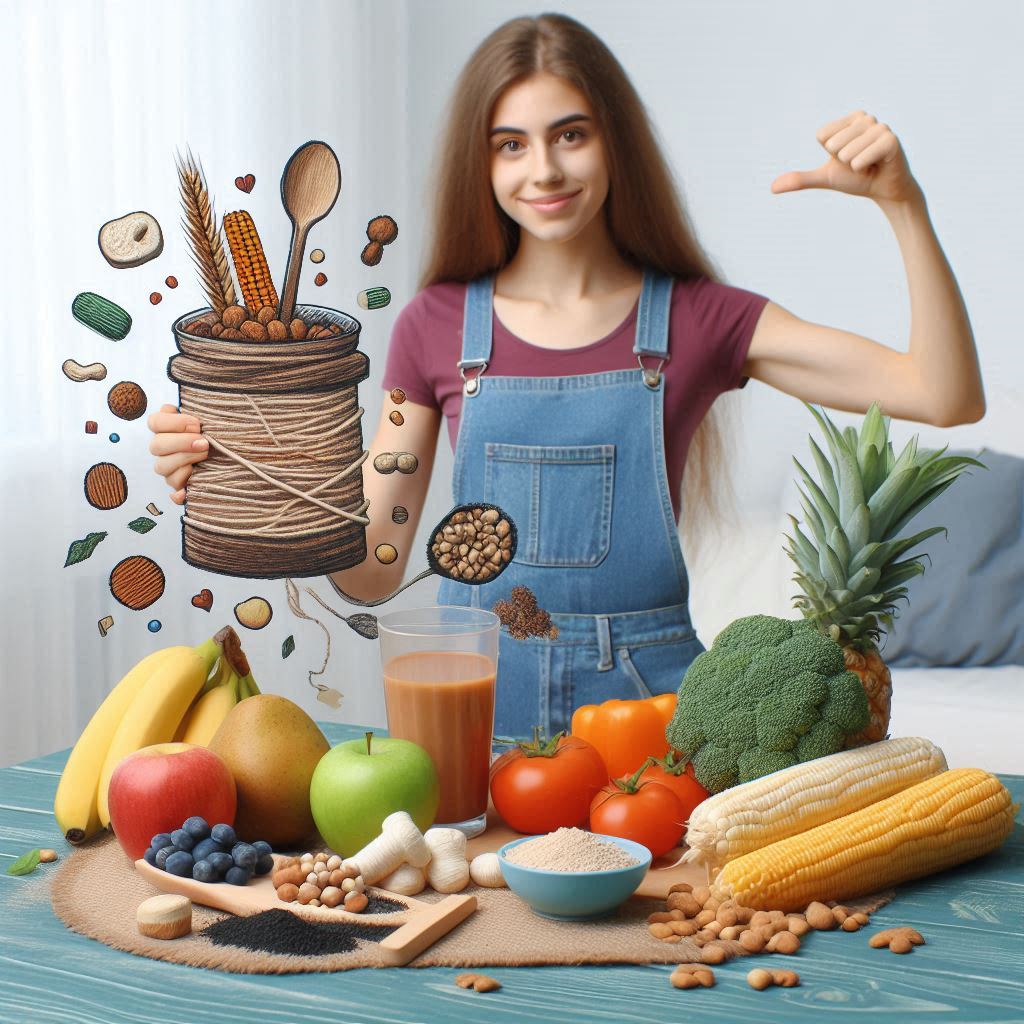
The Role of Fiber in Plant-Based Diets and Its Impact on Weight Management

Plant-Based Smoothie Recipes to Support Your Weight Loss Goals Are you looking for delicious and nutritious ways to support your weight loss journey? Plant-based smoothies might be just the solution you're seeking. These vibrant, nutrient-packed drinks can help you shed those extra pounds while nourishing your body with essential vitamins, minerals, and antioxidants. In this comprehensive guide, we'll explore a variety of plant-based smoothie recipes designed to aid in weight loss, discuss their benefits, and provide you with expert tips to maximize their effectiveness. Smoothies have become increasingly popular among health enthusiasts and those looking to lose weight. They offer a convenient and tasty way to increase your intake of fruits, vegetables, and other plant-based ingredients that are crucial for optimal health and weight management. By incorporating these smoothies into your daily routine, you can easily boost your nutrient intake while keeping your calorie consumption in check. Nutrient Average Content per Smoothie Benefits for Weight Loss Fiber 5-10 grams Promotes satiety, improves digestion Protein 10-20 grams Builds lean muscle, increases metabolism Vitamins Varies (A, C, E, K, B-complex) Supports overall health, boosts energy Minerals Varies (Calcium, Iron, Potassium) Maintains bodily functions, supports metabolism Antioxidants High Reduces inflammation, supports cellular health The Power of Plant-Based Smoothies for Weight Loss Plant-based smoothies offer numerous advantages when it comes to weight loss. They are typically low in calories but high in nutrients, making them an excellent choice for those looking to create a calorie deficit without sacrificing nutrition. Here are some key reasons why plant-based smoothies can be effective for weight loss: High Fiber Content: Plant-based ingredients are rich in dietary fiber, which helps you feel full and satisfied for longer periods. This can reduce overall calorie intake and prevent overeating. Nutrient Density: These smoothies pack a powerful nutritional punch, providing essential vitamins, minerals, and antioxidants that support overall health and metabolism. Low in Unhealthy Fats: Unlike many traditional weight loss shakes, plant-based smoothies are naturally low in saturated fats and contain healthy fats from sources like avocados and nuts. Hydration: Many smoothie ingredients have high water content, helping you stay hydrated, which is crucial for proper metabolism and weight management. Versatility: Plant-based smoothies can be easily customized to suit your taste preferences and nutritional needs, making them a sustainable addition to your weight loss plan. Top 10 Plant-Based Smoothie Recipes for Weight Loss Now, let's dive into some delicious and effective plant-based smoothie recipes that can support your weight loss goals. These recipes are designed to be nutrient-dense, low in calories, and satisfying. 1. Green Goddess Smoothie This vibrant green smoothie is packed with leafy greens and tropical fruits for a refreshing and nutrient-rich drink. Ingredients: 2 cups spinach 1 cup kale 1 banana 1/2 cup pineapple chunks 1/2 avocado 1 tbsp chia seeds 1 cup unsweetened almond milk Ice cubes (optional) Instructions: Blend all ingredients until smooth. Add ice if desired for a colder, thicker consistency. 2. Berry Blast Protein Smoothie This antioxidant-rich smoothie combines mixed berries with plant-based protein for a satisfying meal replacement. Ingredients: 1 cup mixed berries (strawberries, blueberries, raspberries) 1 scoop vegan protein powder 1 tbsp almond butter 1 cup unsweetened coconut water 1/2 cup spinach 1 tsp flaxseed Instructions: Combine all ingredients in a blender. Blend until smooth and creamy. 3. Tropical Turmeric Smoothie This golden smoothie features anti-inflammatory turmeric and tropical fruits for a delicious and healthful drink. Ingredients: 1 cup frozen mango chunks 1/2 banana 1 tsp turmeric powder 1/4 tsp black pepper 1 cup coconut milk 1 tbsp hemp seeds 1/2 inch fresh ginger, peeled Instructions: Add all ingredients to a blender. Blend until smooth and golden. 4. Chocolate Mint Green Smoothie This indulgent-tasting smoothie satisfies chocolate cravings while providing plenty of nutrients. Ingredients: 2 cups spinach 1 frozen banana 2 tbsp cacao powder 1/4 cup fresh mint leaves 1 cup unsweetened almond milk 1 tbsp cacao nibs 1 scoop vegan chocolate protein powder Instructions: Blend all ingredients except cacao nibs until smooth. Top with cacao nibs for added crunch. 5. Creamy Cauliflower Smoothie This unique smoothie uses cauliflower for a creamy texture and added nutrients without excess calories. Ingredients: 1 cup frozen cauliflower florets 1 frozen banana 1 tbsp almond butter 1 tsp vanilla extract 1 cup unsweetened oat milk 1 tbsp maple syrup (optional) 1/4 tsp cinnamon Instructions: Blend all ingredients until smooth and creamy. Adjust sweetness with maple syrup if desired. 6. Zesty Citrus Green Smoothie This refreshing smoothie combines citrus fruits with greens for a vitamin C-packed drink. Ingredients: 1 orange, peeled 1/2 grapefruit, peeled 1 cup kale 1/2 cucumber 1 tbsp lemon juice 1 cup coconut water 1 tsp spirulina powder Instructions: Blend all ingredients until smooth. Serve over ice for a refreshing drink. 7. Peanut Butter and Jelly Smoothie This nostalgic smoothie offers a healthier take on the classic sandwich flavors. Ingredients: 1 cup frozen strawberries 1 tbsp natural peanut butter 1 frozen banana 1 cup unsweetened almond milk 1 scoop vanilla vegan protein powder 1 tbsp ground flaxseed Instructions: Blend all ingredients until smooth and creamy. Adjust thickness with more almond milk if needed. 8. Spiced Pumpkin Smoothie Perfect for fall, this smoothie offers the flavors of pumpkin pie in a healthier package. Ingredients: 1/2 cup pumpkin puree 1 frozen banana 1 cup unsweetened almond milk 1 tsp pumpkin pie spice 1 tbsp maple syrup 1 scoop vanilla vegan protein powder 1 tbsp chia seeds Instructions: Combine all ingredients in a blender. Blend until smooth and creamy. 9. Green Tea Matcha Smoothie This energizing smoothie combines the metabolism-boosting properties of green tea with nutrient-rich fruits and vegetables. Ingredients: 1 tsp matcha green tea powder 1 cup spinach 1 frozen banana 1/2 cup frozen mango 1 cup unsweetened almond milk 1 tbsp hemp seeds 1 tsp honey (optional) Instructions: Blend all ingredients until smooth. Adjust sweetness with honey if desired. 10. Beet and Berry Detox Smoothie This vibrant smoothie combines detoxifying beets with antioxidant-rich berries for a powerful health boost. Ingredients: 1/2 cup cooked and cooled beets 1 cup mixed berries 1 cup spinach 1 tbsp apple cider vinegar 1 cup coconut water 1 tbsp ground flaxseed 1/2 inch fresh ginger, peeled Instructions: Blend all ingredients until smooth. Serve immediately for maximum nutritional benefits. Tips for Making Effective Weight Loss Smoothies To maximize the weight loss benefits of your plant-based smoothies, consider the following tips: Balance Macronutrients: Include a good balance of carbohydrates, proteins, and healthy fats to keep you satisfied and energized. Watch Portion Sizes: While smoothies are healthy, they can still contribute to excess calorie intake if consumed in large quantities. Use Mostly Vegetables: Aim for a higher ratio of vegetables to fruits to keep sugar content in check. Add Protein: Incorporate plant-based protein sources like vegan protein powder, hemp seeds, or chia seeds to promote satiety and muscle maintenance. Avoid Added Sugars: Stick to the natural sweetness of fruits and avoid adding extra sweeteners when possible. Include Healthy Fats: Small amounts of healthy fats from sources like avocado, nuts, or seeds can help with nutrient absorption and satiety. Stay Hydrated: Use water or unsweetened plant-based milk as your liquid base to keep calories low and hydration high. The Science Behind Plant-Based Smoothies and Weight Loss Recent studies have shown promising results regarding the effectiveness of plant-based diets for weight loss. A 2015 study published in the Journal of Geriatric Cardiology found that plant-based diets are associated with lower BMI and reduced risk of obesity. Additionally, a 2019 review in the journal Nutrients concluded that plant-based diets can be effective for weight loss and improving metabolic health. Plant-based smoothies, when used as part of a balanced diet, can contribute to these benefits by: Increasing fiber intake, which promotes satiety and improves digestion Providing a wide range of vitamins and minerals that support overall health and metabolism Offering a low-calorie alternative to many traditional meals and snacks Encouraging the consumption of more fruits and vegetables, which are associated with lower body weight Frequently Asked Questions Q: Can I replace all my meals with plant-based smoothies for weight loss? A: While plant-based smoothies can be a healthy part of your diet, it's not recommended to replace all meals with smoothies. A balanced diet that includes whole foods is important for overall health and sustainable weight loss. Q: How often should I drink plant-based smoothies for weight loss? A: Incorporating 1-2 plant-based smoothies per day as meal replacements or snacks can be beneficial for weight loss. However, it's important to listen to your body and consult with a healthcare professional for personalized advice. Q: Are there any potential downsides to consuming plant-based smoothies regularly? A: While generally healthy, consuming too many smoothies can lead to excess calorie intake if not properly portioned. Additionally, relying too heavily on liquid meals may not provide the same satiety as whole foods. It's important to maintain a
Table of Contents

Fiber is a critical component of a healthy diet, particularly in plant-based eating patterns. As more people adopt vegetarian and vegan diets for their numerous health benefits, it’s essential to understand how fiber contributes to weight management and overall well-being. This article delves into the science behind fiber’s role in plant-based diets and provides practical tips for incorporating more fiber-rich foods into your meals.

Also Read-Top 10 Plant-Based Foods That Boost Metabolism and Fat Burning

Understanding Fiber and Its Importance.

Dietary fiber is a type of carbohydrate that the body cannot digest. It is found exclusively in plant foods, including fruits, vegetables, whole grains, legumes, nuts, and seeds. Fiber plays a vital role in maintaining digestive health, regulating blood sugar levels, and promoting feelings of fullness, which can aid in weight management.

There are two main types of fiber: soluble and insoluble. Soluble fiber dissolves in water and forms a gel-like substance in the digestive tract, slowing down digestion and nutrient absorption. Insoluble fiber does not dissolve in water and adds bulk to the stool, promoting regular bowel movements.

Fiber TypeSourcesBenefits
SolubleOats, barley, legumes, fruits (apples, citrus), vegetables (carrots, potatoes)Lowers cholesterol, stabilizes blood sugar, promotes feelings of fullness
InsolubleWhole grains, nuts, seeds, vegetables (cauliflower, green beans), fruit skinsPromotes regular bowel movements, prevents constipation, maintains colon health

The Benefits of Fiber in Plant-Based Diets.

1. Enhanced Weight Management.

One of the key benefits of fiber in plant-based diets is its ability to promote feelings of fullness and reduce overall calorie intake. High-fiber foods tend to be more filling and take longer to digest, leading to increased satiety and a reduced likelihood of overeating.

A study published in the European Journal of Clinical Nutrition found that participants who followed a vegan diet rich in fiber lost an average of 9.5 pounds (4.3 kg) over 18 weeks, compared to just 0.2 pounds (0.1 kg) in the control group. This suggests that plant-based diets high in fiber can be an effective strategy for weight management.

The high fiber content of plant-based diets, along with the exclusion of processed foods, is a winning combination for shedding excess pounds. A review of 12 studies found that plant-based diets were effective for weight loss, with an average loss of 4-5 pounds more than non-vegetarian diets over 18 weeks.

2. Improved Gut Health and Digestion.

Fiber plays a crucial role in maintaining a healthy gut microbiome, which is essential for optimal digestion and nutrient absorption. The beneficial bacteria in the gut feed on fiber, producing short-chain fatty acids that nourish the colon cells and promote a healthy gut lining.

A plant-based diet rich in fiber has been shown to increase the diversity and abundance of beneficial gut bacteria, which can help alleviate digestive issues such as constipation, bloating, and inflammatory bowel disease.

3. Reduced Risk of Chronic Diseases.

Numerous studies have demonstrated that plant-based diets high in fiber are associated with a reduced risk of chronic diseases, including heart disease, type 2 diabetes, and certain types of cancer.

For example, a meta-analysis published in the Journal of the American Heart Association found that each additional 7 grams of fiber consumed per day was associated with a 9% lower risk of coronary heart disease and a 7% lower risk of stroke.

Adopting a plant-based diet may also be an effective tool in managing and reducing the risk of developing diabetes. A study of over 200,000 people found that those who adhered to a healthy plant-based eating pattern had a 34% lower risk of developing diabetes compared to those who followed unhealthy, non-plant-based diets.

Incorporating More Fiber into Your Plant-Based Diet.

To reap the benefits of fiber, aim to consume at least 25-38 grams per day, depending on your age and gender. Here are some practical tips for increasing your fiber intake on a plant-based diet:

  1. Choose whole grains over refined grains (e.g., brown rice, whole wheat bread, quinoa)
  2. Include a variety of fruits and vegetables in your meals, aiming for at least 5 servings per day
  3. Incorporate legumes (beans, lentils, peas) into your dishes regularly
  4. Snack on nuts, seeds, and fresh fruit instead of processed snacks
  5. Read nutrition labels and choose products with at least 3 grams of fiber per serving

Here’s an example of a high-fiber, plant-based meal plan:

MealFoods
BreakfastOatmeal with berries, chia seeds, and almond milk
LunchLentil soup with a side salad and whole grain crackers
DinnerStir-fried vegetables with tofu and brown rice
SnacksApple slices with peanut butter, carrot sticks with hummus

When transitioning to a plant-based diet, it’s important to do so gradually to allow your digestive system to adapt to the increased fiber intake. Drinking plenty of water and engaging in regular physical activity can also help prevent digestive discomfort.

Potential Nutrient Deficiencies and Solutions.

While plant-based diets offer numerous health benefits, they can also lead to certain nutrient deficiencies if not properly planned. Some key nutrients of concern include:

  1. Vitamin B12: Found primarily in animal products, vitamin B12 is essential for red blood cell formation and neurological function. Plant-based sources include fortified foods and supplements.
  2. Iron: Plant-based iron (non-heme iron) is less easily absorbed than iron from animal sources (heme iron). Consuming vitamin C-rich foods alongside iron-rich plant foods can enhance absorption.
  3. Calcium: While dairy products are a common source of calcium, plant-based sources include leafy greens, fortified plant milks, and tofu set with calcium sulfate.
  4. Omega-3 fatty acids: Essential for heart and brain health, omega-3s are found primarily in fatty fish. Plant-based sources include flaxseeds, chia seeds, and walnuts, though conversion to the active forms (EPA and DHA) is limited.

To ensure adequate nutrient intake, it’s important to consume a variety of nutrient-dense plant foods and consider supplementation when necessary. Consulting with a registered dietitian can help you develop a well-balanced, plant-based eating plan that meets your individual needs.

The Power of Plant-Based Smoothies for Weight Loss

Plant-based smoothies offer numerous advantages when it comes to weight loss. They are typically low in calories but high in nutrients, making them an excellent choice for those looking to create a calorie deficit without sacrificing nutrition. Here are some key reasons why plant-based smoothies can be effective for weight loss:


Frequently Asked Questions.

1. Can I get enough protein on a plant-based diet?

Yes, it is possible to meet your protein needs on a well-planned plant-based diet. Plant-based protein sources include legumes, tofu, tempeh, seitan, nuts, seeds, and whole grains. Aim to include a variety of these foods throughout the day to ensure you’re getting all the essential amino acids.

2. Will I experience digestive discomfort when increasing my fiber intake?

Some people may experience temporary digestive discomfort, such as bloating or gas, when significantly increasing their fiber intake. To minimize these side effects, increase your fiber intake gradually over several weeks and drink plenty of water. If discomfort persists, consult with a healthcare professional.

3. Are all plant-based foods high in fiber?

While many plant foods are naturally high in fiber, not all plant-based foods are created equal. Refined grains, sugary snacks, and some processed plant-based products may be low in fiber. Focus on whole, minimally processed plant foods to maximize your fiber intake.

Conclusion.

Fiber is an essential component of a healthy plant-based diet, playing a crucial role in weight management, digestive health, and chronic disease prevention. By incorporating a variety of fiber-rich plant foods into your meals and snacks, you can reap the numerous benefits of this important nutrient. Remember to increase your fiber intake gradually, stay hydrated, and consult with a healthcare professional if you have any concerns. With a well-planned, fiber-rich plant-based diet, you can achieve optimal health and well-being.

Disclaimer:

The information provided in this article is for educational purposes only and is not intended to be a substitute for professional medical advice, diagnosis, or treatment. Always seek the advice of your physician or other qualified healthcare provider with any questions you may have regarding a medical condition or treatment. The content in this article is based on research and information available at the time of writing, and the author and website owner do not assume any liability or responsibility for the accuracy, completeness, or usefulness of any information provided. Consult with a registered dietitian or healthcare professional before making significant changes to your diet.

Medical Disclaimer

This article is for informational and educational purposes only. It does not constitute medical advice, diagnosis, or treatment. The information presented is researched from trusted sources including peer-reviewed scientific journals, CDC, NIH, WHO, and recognized health organizations. Always consult a qualified healthcare professional before making any changes to your diet, exercise routine, or health regimen.

Last reviewed: September 17, 2024 Sources cited in article
Written by
C.K. Gupta

Hi there!I'm C.K. Gupta, the founder and head writer at FitnTip.com. With a passion for health and wellness, I created FitnTip to share practical, science-backed advice to help you achieve your fitness goals.Over the years, I've curated valuable information from trusted resources on topics like nutrition, exercise, weight loss, and overall well-being. My aim is to distill this knowledge into easy-to-understand tips and strategies you can implement in your daily life.Whether you're looking to get in shape, eat healthier, or simply feel your best, FitnTip is here to support and guide you. I believe that everyone has the potential to transform their health through sustainable lifestyle changes.When I'm not researching the latest health trends or writing for FitnTip, you can find me trying out new fitness routines, experimenting with nutritious recipes, and spending quality time with loved ones.I'm excited to have you join our community as we embark on this wellness journey together. Let's make positive, lasting changes and unlock a healthier, happier you!

Previous

Protein Sources on a Plant-Based Diet: Meeting Your Needs for…

Next

The Gut Microbiome: How a Plant-Based Diet Influences Weight Through…

Discover more from FitNTip

Subscribe now to keep reading and get access to the full archive.

Continue reading