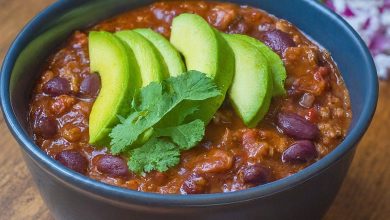
Healthy Food

Plant-Powered – Why A Vegan Diet Is Key For Long-Term Health

Over the years, I have discovered that adopting a vegan diet can significantly improve your long-term health. By eliminating animal products from my meals, I’ve experienced not only a boost in energy but also a decrease in the risk of chronic diseases, such as heart disease and diabetes. This lifestyle shift is not just about avoiding potential health risks; it’s also about embracing a more nutritious way of eating that can provide all the imperative vitamins and minerals your body needs. Join me as I explore the remarkable benefits of a plant-powered lifestyle.

Understanding Veganism

While the term ‘veganism‘ is often associated with a diet that excludes animal products, it encompasses a more comprehensive lifestyle choice rooted in ethical principles, environmental concerns, and health motivations. By choosing veganism, individuals not only aim to improve their own health but also contribute to the welfare of animals and the sustainability of our planet. In my experience, embracing a vegan lifestyle has allowed me to explore a variety of nutrient-rich foods and recipes that promote long-term wellness, while aligning my values with my daily habits.

What is a Vegan Diet?

Beside its ethical implications, a vegan diet primarily focuses on avoiding the consumption of meat, dairy, eggs, and any other animal-derived products. Instead, the foundation of a vegan diet is based on whole plant foods, including fruits, vegetables, legumes, grains, nuts, and seeds. This nutrient-dense approach has been linked to numerous health benefits, such as lower risks of chronic diseases, better weight management, and improved digestion. If you’re considering transitioning to a vegan lifestyle, you may find it to be a delightful culinary journey full of diverse and vibrant flavors.

Common Misconceptions

Between the myriad of perspectives surrounding veganism, several misconceptions often arise. One of the most prevalent myths is that a vegan diet lacks sufficient protein or imperative nutrients. In reality, there are countless plant sources rich in protein such as lentils, chickpeas, and quinoa that can easily meet your dietary needs. Another common misunderstanding is that veganism is expensive or impractical, which can deter many from embracing this lifestyle. However, I have found that focusing on whole foods and seasonal produce can be both budget-friendly and accessible.

Misconceptions about veganism can lead to misinformed decisions and unnecessary barriers. For instance, the belief that a vegan diet will automatically result in nutritional deficiencies is particularly dangerous because it may discourage individuals from making the dietary changes that could benefit their long-term health. In addition, it is important to understand that eating vegan does not have to be expensive; by prioritizing whole, unprocessed foods, you can maintain a balanced diet without breaking the bank. Educating yourself on the truth behind these misconceptions can empower you to make informed choices about your health and lifestyle.

Plant-Powered - Why A Vegan Diet Is Key For Long-Term Health

Nutritional Benefits of a Vegan Diet

Any dietary choice you make can have far-reaching impacts on your overall health, and adopting a vegan diet is no exception. One of the most appealing aspects of going vegan is the vast array of nutritional benefits it offers. From abundant fruits and vegetables to whole grains and legumes, a plant-based diet is rich in vitamins, minerals, and antioxidants that contribute to your health. By focusing on whole foods, I find that the nutrients you receive are often more accessible and bioavailable than those found in processed options.

Essential Nutrients and Sources

Above all, meeting your nutritional needs on a vegan diet is entirely achievable with proper planning. While animal products are commonly known for their protein, iron, and B12 content, there are plenty of plant-based sources that provide these vital nutrients. For example, legumes and pulses such as lentils, chickpeas, and beans are excellent sources of protein and iron. Incorporating nuts, seeds, and whole grains can not only boost your protein intake but also supply healthy fats and fiber. Don’t forget about the importance of fortified foods or supplements for nutrients like B12, which is vital for energy levels and cognitive function.

Health Benefits for Long-Term Wellness

At the heart of a vegan diet are numerous health benefits that can foster long-term wellness. Studies have shown that individuals following a plant-based diet often experience lower rates of chronic diseases such as heart disease, diabetes, and certain cancers. This is primarily due to the high levels of antioxidants, fiber, and healthy fats found in whole plant foods that help reduce inflammation and promote optimal bodily functions. Additionally, I have observed that many people who switch to a vegan diet report increased energy and better digestion, which plays a significant role in overall health.

The long-term health benefits of a vegan diet cannot be understated. Research has consistently shown that those who follow a plant-based lifestyle maintain a lower body mass index (BMI), lower cholesterol levels, and lower blood pressure. These factors significantly decrease the risk of serious health issues, leading to a longer and healthier life. Moreover, the positive impact on your mental well-being, stemming from consuming nutrient-dense foods, may enhance mood and cognitive function—proof that what you eat truly influences how you feel!

Environmental Impact of Veganism

It is crucial to consider the significant environmental impact of our dietary choices, especially as we face pressing challenges like climate change and biodiversity loss. Adopting a vegan diet can lead to a substantial reduction in your ecological footprint. With animal agriculture being a major contributor to greenhouse gas emissions, shifting to plant-based foods not only minimizes your carbon footprint but also helps conserve natural resources such as water and land. By embracing veganism, you play a vital role in fostering a healthier planet for future generations.

Reducing Carbon Footprint

At the heart of a vegan lifestyle is a marked reduction in greenhouse gas emissions. Livestock farming contributes to approximately 14.5% of global emissions, a significant proportion that you can help diminish through your dietary choices. By opting for plant-based foods, you are consciously choosing to lower the demand for animal products, which can lead to a more sustainable food system. Furthermore, plants generally require fewer resources than meat production, as they hold the potential to sequester carbon effectively, contributing to a reduction in atmospheric carbon levels.

Sustainable Food Choices

Alongside the reduction in carbon emissions, a vegan diet emphasizes sustainable food choices that align with ecological preservation. Plant-based diets typically rely less on intensive farming practices that deplete soil health and lead to habitat destruction. By choosing locally sourced and seasonal plant foods, you can ensure that your meals are not only nutritious but also environmentally friendly. This approach helps to support local farmers and reduce carbon emissions associated with transportation, making your dietary choices a powerful tool for environmental conservation.

Consequently, embracing sustainable food options allows you to cultivate a deeper relationship with your environment. By selecting organic, non-GMO produce and minimizing the consumption of heavily processed vegan products, you can further amplify the positive impact of your diet. Supporting businesses that prioritize sustainability and practicing mindful eating habits will not only benefit your health but will also contribute to the protection of our planet’s ecological integrity. Engaging with your food choices can truly transform the way you interact with the world around you.

Ethical Considerations

All too often, discussions on diet focus solely on nutritional aspects, sidelining the ethical implications of food choices. Adopting a vegan diet is not only a move towards personal health but also a powerful statement of compassion towards living beings. Through the lens of ethics, veganism emerges as a response to the systemic cruelty faced by animals raised for food. By making a conscious choice to eliminate animal products from your diet, you’re taking a stand against practices that often cause immense suffering and disregard for animal welfare.

Animal Welfare

Along this journey, it’s important to consider the day-to-day realities faced by animals in the agricultural industry. Many animals endure confinement in overcrowded and unsanitary conditions, deprived of natural behaviors and proper care. By choosing plant-based options, you’re actively opposing these inhumane treatment methods and supporting alternatives that prioritize animal dignity. This choice aligns with a growing awareness that animals are sentient beings capable of experiencing pain and pleasure, making it imperative to reconsider our dietary habits in light of their welfare.

Societal Implications

Ethical considerations extend beyond individual eating habits and touch upon broader societal systems. Making the shift to a vegan diet can drive significant change in the way society views food production and consumption. When you choose to support plant-based living, you are not only promoting animal rights but also advocating for more sustainable agricultural practices that can benefit our environment. The benefits of this lifestyle go deeper as it can encourage discussions about food justice, resource allocation, and the environmental impact of factory farming, challenging us to rethink our relationship with the land and the food it provides.

To put it plainly, the societal implications of a collective shift towards veganism can lead to a ripple effect, inspiring others to consider their food choices and how they impact our world. By reducing demand for animal products, we can decrease the negative environmental effects associated with livestock farming, such as greenhouse gas emissions and deforestation. Furthermore, as more people adopt veganism, there’s a potential for increased investment in sustainable agriculture and plant-based innovations, resulting in a healthier planet for future generations. Your dietary choices can play a crucial role in this transformative movement.

Making the Transition to a Vegan Diet

Unlike some might believe, transitioning to a vegan diet doesn’t have to be overwhelming or difficult. I found that taking it step by step can lead to lasting and sustainable changes in your eating habits. Start by eliminating one animal product at a time, or perhaps designate specific days of the week for plant-based meals. This approach not only makes it easier to adjust but also helps you discover the wide variety of delicious vegan options available.

Tips for Beginners

For those just starting out on their vegan journey, here are a few tips that have worked wonders for me:

  • Explore diverse vegan recipes to keep your palate excited.
  • Stock your kitchen with plant-based ingredients so you always have options on hand.
  • Create a weekly meal plan to make shopping and preparation easier.
  • Join a local or online vegan community for support and inspiration.
  • Gradually learn to read food labels to make informed choices.

The transition can be a fun and rewarding journey when approached with an open mind and a curious palate.

Meal Planning and Recipes

Beside selecting the right foods, creating a solid meal plan plays a significant role in the success of your vegan lifestyle. I’ve found that having a weekly plan helps me avoid last-minute poor food choices and ensures that I have all the necessary ingredients at hand. Consider prepping meals ahead of time or batch-cooking some key staples like grains, beans, and veggies. This way, you can easily throw together a nutritious and delicious meal in no time.

Making your meal planning effective requires some experimentation. It’s beneficial to try various plant-based recipes that cater to your tastes and preferences. Focus on ingredients that are hearty and filling, like legumes, whole grains, and seasonal vegetables. The use of herbs and spices can really elevate flavors while keeping your meals vibrant and appealing. Engaging in this process will not only simplify your vegan diet but also ensure that you’re consuming a wide range of nutrients crucial for your overall health.

Overcoming Challenges

Not every day on a vegan diet is smooth sailing; there are challenges that can arise, particularly in social settings. When you transition to a plant-based diet, you might find that dining out with friends, attending family gatherings, or participating in work events can feel daunting. Often, the menu options may be limited, and you might feel pressure to conform to social norms centered around meat and dairy-based dishes. Yet, this is where I find true opportunities for engagement and creativity; by introducing my friends to delicious vegan recipes or suggesting restaurants with plant-based options, I help to break down the barriers and showcase the versatility of vegan cuisine.

Social Situations

To navigate these social situations effectively, I have learned to communicate my dietary choices openly and confidently. Sharing my reasons for adopting a vegan lifestyle can spark meaningful conversations that may encourage others to explore plant-based meals as well. Additionally, I always consider volunteering to bring a vegan dish to gatherings, ensuring I have something delicious and satisfying to enjoy alongside my friends. This not only helps me feel included but also allows my friends to experience the abundance of flavors that a vegan diet has to offer.

Maintaining Nutritional Balance

Challenges arise when attempting to maintain nutritional balance on a vegan diet, as it’s imperative to ensure that you’re consuming all necessary vitamins and minerals. I have learned that planning my meals is paramount; I focus on incorporating a variety of whole foods, including legumes, grains, nuts, seeds, fruits, and vegetables. It’s vital to pay attention to nutrients that can be more challenging to obtain from a plant-based diet, such as vitamin B12, iron, and omega-3 fatty acids. Supplementation can be beneficial, but consulting a healthcare professional is an excellent way to tailor my approach.

Social dynamics play a role here, too. When engaging with nutrition experts or fellow vegans, I’ve discovered the importance of sharing tips for a well-rounded vegan diet. By continually educating myself and seeking out resources, I not only empower myself to maintain a nourishing lifestyle but also encourage others to embrace the benefits of a vegan diet. Staying informed and open to learning ensures that I can overcome these challenges and continue on my path to wellness.

Final Words

To wrap up, adopting a plant-powered vegan diet has transformed my understanding of nutrition and health. Through my journey, I’ve discovered how a well-planned vegan lifestyle can provide all the necessary nutrients your body craves while significantly reducing the risk of chronic diseases. By prioritizing whole foods, such as fruits, vegetables, legumes, and whole grains, I have not only improved my overall health but have also taken meaningful steps towards supporting the wellbeing of our planet. I encourage you to explore the vibrant variety of plant-based foods and the countless benefits they offer to enhance your quality of life.

Making dietary choices that align with a vegan lifestyle can lead to long-lasting health improvements and a greater sense of vitality. I believe that embracing a plant-powered diet is not just a temporary fad but rather a sustainable approach to living a healthier, happier life. As you navigate your own dietary path, consider integrating more plant-based meals into your routine, and observe the positive changes that may unfold for your health and wellbeing. Together, we have the power to create a healthier future for ourselves and generations to come.

C.K. Gupta

Hi there!I'm C.K. Gupta, the founder and head writer at FitnTip.com. With a passion for health and wellness, I created FitnTip to share practical, science-backed advice to help you achieve your fitness goals.Over the years, I've curated valuable information from trusted resources on topics like nutrition, exercise, weight loss, and overall well-being. My aim is to distill this knowledge into easy-to-understand tips and strategies you can implement in your daily life.Whether you're looking to get in shape, eat healthier, or simply feel your best, FitnTip is here to support and guide you. I believe that everyone has the potential to transform their health through sustainable lifestyle changes.When I'm not researching the latest health trends or writing for FitnTip, you can find me trying out new fitness routines, experimenting with nutritious recipes, and spending quality time with loved ones.I'm excited to have you join our community as we embark on this wellness journey together. Let's make positive, lasting changes and unlock a healthier, happier you!

Related Articles

Back to top button

Discover more from FitNTip

Subscribe now to keep reading and get access to the full archive.

Continue reading