How Does Lack Of Sleep Affect Your Mood? – Health

Lack of sleep can negatively affect your mood. Research shows that sleeplessness and mood disorders are closely linked.
Sleep loss can impact your mood and contribute to the onset and worsening of mental health problems.
The Connection Between Sleep and Mood
The impact of sleep on emotional regulation
Sleep plays a critical role in regulating emotions. When we lack sufficient sleep, our ability to manage and regulate our emotions is compromised.
The brain’s emotional regulation center may become overactive, leading to increased emotional reactivity and decreased ability to manage stress effectively.
How lack of sleep can lead to irritability and mood swings
Lack of sleep can significantly contribute to irritability and mood swings. Studies have demonstrated that sleep deprivation increases negative moods such as anger, frustration, and sadness, while also diminishing positive moods.
Moreover, prolonged sleeplessness can exacerbate pre-existing mood disturbances, leading to heightened irritability, anxiety, and even depression.
How Does the Lack of Sleep Affect Your Mood?
Disruption of Serotonin and Dopamine Levels
Sleep deprivation disrupts the balance of serotonin and dopamine, crucial neurotransmitters responsible for regulating mood and emotions. The decrease in serotonin levels due to lack of sleep can lead to feelings of irritability, sadness, and anxiety.
Similarly, disturbed dopamine levels affect motivation, pleasure, and overall mood, leading to reduced enthusiasm and increased stress.
Increased Risk of Depression and Anxiety
Lack of sufficient sleep can elevate the risk of depression and anxiety. Sleep deprivation disrupts the brain’s ability to regulate emotions, making individuals more susceptible to negative thoughts, stress, and overwhelming feelings.
Prolonged sleep deprivation is often associated with an increased risk of developing depression and anxiety disorders, further emphasizing the essential role of quality sleep in maintaining mental well-being.
Inadequate sleep negatively impacts the balance of crucial neurotransmitters, leading to mood disturbances and an increased vulnerability to depression and anxiety. Prioritizing sufficient and quality sleep is vital for maintaining emotional stability and mental well-being.
| Key Points | Details |
|---|---|
| Neurotransmitter Disruption | Sleep deprivation disrupts serotonin and dopamine levels, impacting mood and emotional balance. |
| Role in Emotional Regulation | Disturbed neurotransmitter levels increase the risk of depression and anxiety. |
Prioritizing adequate sleep is crucial for maintaining a healthy balance of neurotransmitters, supporting emotional resilience, and reducing the risk of mood disorders.
The Role of Hormones
Recent research has shown that sleep deprivation has a direct impact on cortisol levels in the body. Cortisol, often referred to as the stress hormone, is found to be elevated following sleep loss, indicating a disruption in the regulation of the hypothalamic-pituitary-adrenal (HPA) axis.
This results in an overload of glucocorticoids, which in turn affects the body’s stress response.
This elevation in cortisol levels due to lack of sleep is a clear indicator of the intricate connection between sleep and stress. The body’s attempt to cope with the alertness demand during sleep deprivation results in increased cortisol secretion.
Therefore, it’s essential to recognize the significant role of hormones, especially cortisol, in regulating the body’s response to sleep deprivation and stress. Without sufficient rest, the delicate balance of hormone regulation can be adversely affected, leading to a cascade of physiological and psychological implications.
The Impact on Cognitive Function
Impaired decision-making and problem-solving abilities
Lack of sleep can severely impair decision-making and problem-solving abilities. When sleep-deprived, the brain struggles to process information efficiently, leading to decreased cognitive function.
This can result in poor judgment, increased risk-taking behavior, and difficulty in assessing complex situations.
Difficulty managing emotions and reactions
Insufficient sleep can lead to difficulty in managing emotions and reactions. The brain’s emotional regulation center becomes compromised, resulting in heightened irritability, mood swings, and increased sensitivity to stressors.
This can lead to impulsive behavior and exaggerated emotional responses, impacting overall mood and interpersonal relationships.
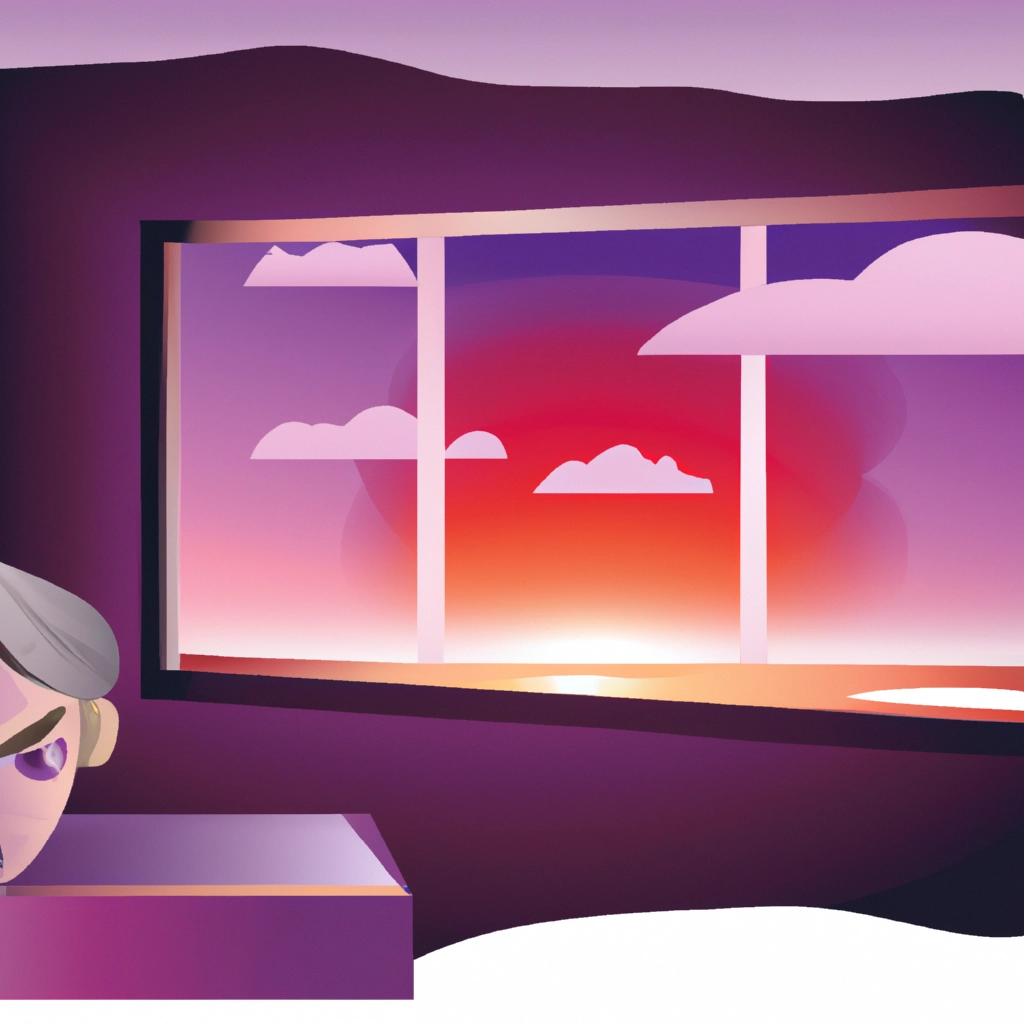
Sleep Deprivation and Negative Emotions
Heightened sensitivity to negative stimuli
Experiencing sleep deprivation can lead to heightened sensitivity to negative stimuli. This means that individuals may overreact or have a stronger emotional response to negative events or situations.
For example, a minor inconvenience like spilling coffee could trigger a much larger emotional response than it normally would if the individual had received sufficient sleep.
Greater likelihood of experiencing negative emotions
Furthermore, sleep deprivation increases the likelihood of experiencing negative emotions. This could manifest as feeling more irritable, anxious, or having a generally negative outlook on life.
For instance, a person who is sleep-deprived may find themselves getting agitated over small issues or feeling down and disheartened for no apparent reason. The lack of sleep can significantly impact one’s emotional state, leading to a greater propensity for negative emotions.
| Sleep Deprivation Effects | Examples |
|---|---|
| Heightened Sensitivity | Overreacting to minor inconveniences |
| Greater Likelihood of Negative Emotions | Increased irritability and pessimism |
Remember, getting enough sleep is crucial for maintaining emotional well-being and resilience to negative stimuli.
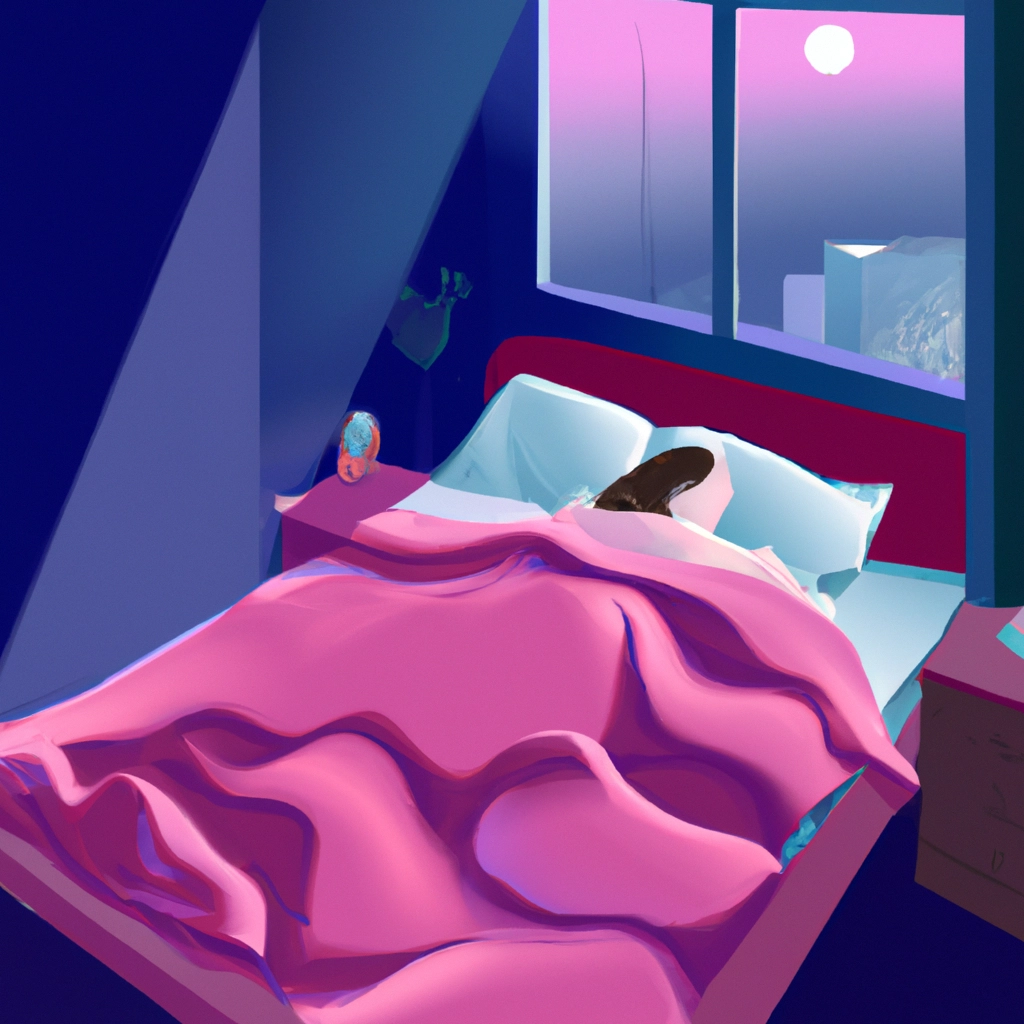
Strategies for Improving Sleep and Mood
Tips for establishing a healthy sleep routine
Establishing a healthy sleep routine is crucial for enhancing both sleep quality and mood. Start by adhering to a consistent sleep schedule, ensuring you allocate at least seven to eight hours for sleep every night.
Additionally, engage in regular physical activity during the day to promote better sleep quality at night. Avoid consuming large meals, caffeine, and alcohol close to bedtime, and consider incorporating relaxation techniques such as meditation or deep breathing exercises to unwind before sleep.
Importance of creating a relaxing sleep environment
Creating a relaxing sleep environment significantly influences sleep quality and mood. Invest in light-blocking curtains and consider using white noise machines to minimize disruptive external stimuli.
Regulating the bedroom temperature between 65 to 68 degrees Fahrenheit fosters an ideal sleep environment. Furthermore, opt for comfortable and breathable bedding, along with a high-quality mattress tailored to your comfort needs.
Prioritize decluttering the bedroom and decorating with soothing colors to promote a tranquil atmosphere conducive to restful sleep.
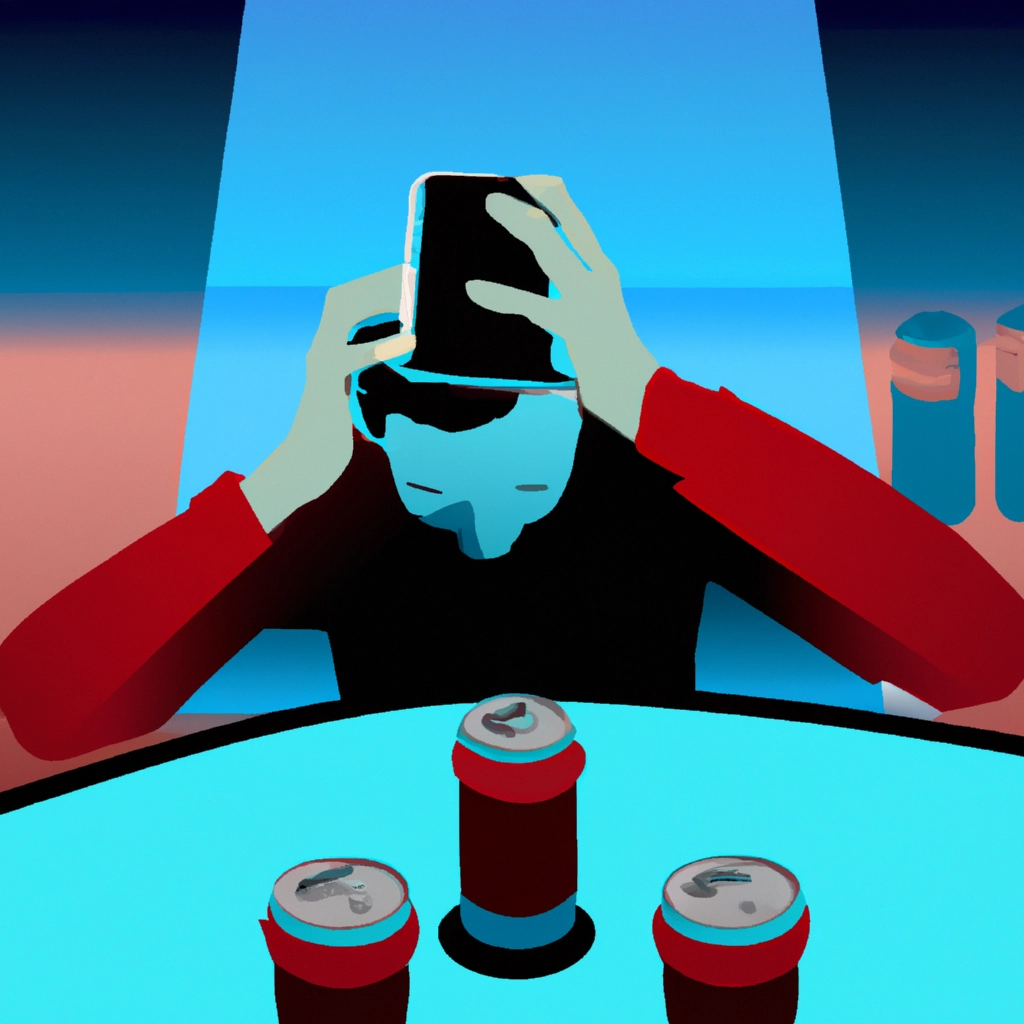
Seeking Professional Help
When to Consider Consulting a Healthcare Professional
It’s truly important to consider consulting a healthcare professional if you are experiencing difficulty falling asleep, constantly waking up during the night, or experiencing symptoms such as excessive daytime sleepiness, mood disturbances, and difficulty with attention or memory. Furthermore, if you find that your sleep disturbances are impacting your daily life and activities, seeking professional help becomes imperative.
Treatment Options for Sleep Disorders
When it comes to addressing sleep disorders, there are various treatment options that healthcare professionals may recommend. These options can range from non-medical remedies such as behavioral therapies, meditation, and yoga to medical interventions like sleep-promoting agents (hypnotics or sedatives) for short-term treatment of insomnia.
Consulting with a healthcare provider can help determine the most suitable treatment plan based on the specific type and severity of your sleep disorder.
| Type of Treatment | Description |
|---|---|
| Behavioral Therapies | These may involve relaxation techniques, meditation, or yoga. |
| Sleep-Promoting Agents | Short-term use of these medications may be recommended based on the type of sleep disorder and individual health factors. |
| Non-Medical Remedies | These include practices like massage therapy and cognitive behavioral therapy (CBT) for those who prefer non-pharmacological approaches to managing sleep disorders. |
In the quest for better sleep and improved mood, seeking guidance from a healthcare professional is the first step toward more restful nights and happier days.
Conclusion
The lack of sleep can significantly impact your mood by increasing irritability and feelings of frustration. This can lead to a shorter temper and a lower tolerance for stress, ultimately affecting your interactions with others and your overall emotional well-being.
Furthermore, insufficient sleep can also contribute to a decrease in motivation and a general feeling of fatigue, which can make it more difficult to cope with daily challenges and responsibilities. This can lead to a decrease in productivity and an overall negative outlook on life.
In addition, the lack of sleep has been linked to an increase in symptoms of depression and anxiety, which can further worsen your mood and mental health. It is important to prioritize quality sleep in order to maintain a positive and stable mood, as well as to support overall well-being.
[faq_section title=”Frequently Asked Questions”]
[faq question=”How does sleep deprivation affect mental health?” answer=”Sleep deprivation can lead to increased anxiety, depression, and even suicidal thoughts. It can also trigger psychotic episodes and worsen existing symptoms of mania, psychosis, or paranoia.”]
[faq question=”What are the side effects of lack of sleep?” answer=”Lack of sleep can interfere with learning, focus, and social functioning. It may also affect your ability to judge other people’s emotions and reactions, leading to feelings of frustration, crankiness, or worry in social situations.”]
[faq question=”What are the 5 stages of sleep deprivation?” answer=”The stages include excessive daytime sleepiness, fatigue, irritability, trouble with thinking and focusing, slowed reaction times, and headaches.”]
[faq question=”Can you survive on 2 hours of sleep a night?” answer=”It’s rare for anyone to function well with only 2 hours of sleep. While some may claim to feel fine with limited sleep, scientists think they are likely used to the negative effects of reduced sleep.”]
[/faq_section]
This article is for informational and educational purposes only. It does not constitute medical advice, diagnosis, or treatment. The information presented is researched from trusted sources including peer-reviewed scientific journals, CDC, NIH, WHO, and recognized health organizations. Always consult a qualified healthcare professional before making any changes to your diet, exercise routine, or health regimen.