The Science Behind Veganism – How Plant-Based Eating Boosts Your Wellbeing


Wellbeing is deeply intertwined with the food we consume, and as I explore the science behind veganism, it becomes clear how plant-based eating can significantly enhance your health. By choosing a vegan lifestyle, you can reduce the risk of chronic diseases, improve digestion, and even boost your mood. In this post, I will unveil the compelling research and benefits that highlight why adopting a vegan diet can lead to positive changes in your overall wellbeing. Let’s probe into the fascinating world of nutrient-rich, plant-based foods and their impact on our lives.
The Nutritional Benefits of a Plant-Based Diet
Before delving deeper into the subject, it’s necessary to recognize that a plant-based diet can offer incredible nutritional value. By incorporating a variety of fruits, vegetables, whole grains, nuts, and seeds, you can access a broad spectrum of vitamins and minerals that support overall health. From vitamin C found in citrus fruits to iron in legumes, the diversity in plant foods provides a rich array of necessary nutrients that your body needs to function optimally and thrive. Moreover, these nutrient-dense foods often come packed with fewer calories and less unhealthy fat, promoting weight management and cardiovascular health.
Essential Nutrients in Vegan Foods
Across the board, vegan diets can provide all the necessary nutrients for maintaining good health, as long as you plan your meals mindfully. For instance, you can obtain high-quality protein from sources such as lentils, chickpeas, and quinoa. Additionally, plant-based foods are typically high in antioxidants that aid in combating inflammation and oxidative stress, contributing to better long-term health. Furthermore, many plant foods are fortified with necessary nutrients often found in animal products, like vitamin B12, omega-3 fatty acids, and iron, ensuring you don’t face deficiencies when following a vegan diet.
The Role of Fiber in Digestive Health
About 25 to 30 grams of fiber are recommended daily to maintain optimal digestive health, and embracing a plant-based diet can help you reach and even exceed this goal. Whole grains, fruits, vegetables, nuts, and seeds are all excellent sources of dietary fiber, which plays a vital role in enhancing gut health. Fiber promotes regularity and aids in smooth bowel movements, reducing the chances of constipation and other digestive issues. Plus, a fiber-rich diet supports the growth of beneficial gut bacteria, which contributes to overall digestive balance and well-being.
Nutritional fiber acts as a bulking agent, absorbing water and adding bulk to your stool, which helps facilitate its passage through the digestive tract. By choosing fiber-rich plant-based foods, you not only improve your digestion but also benefit from numerous health advantages. For instance, a high-fiber diet can lead to lower cholesterol levels and improved blood sugar control. Importantly, individuals who consume a fiber-rich diet may also experience reduced rates of certain diseases, such as heart disease and colorectal cancer. By choosing a plant-based diet, you’re making a decision that supports your digestive health while simultaneously promoting your overall well-being.
Impact on Mental Wellbeing
There’s increasing evidence that a plant-based diet can have profound effects on our mental wellbeing. When I transitioned to veganism, I learned that the foods we eat can influence not only our physical health but also our mental and emotional states. Scientific studies have shown that diets rich in fruits, vegetables, legumes, nuts, and whole grains are associated with lower rates of depression and anxiety. This connection between our diet and mood reflects how the nutrients we consume can either support or hinder our mental health.
Connection Between Diet and Mood
Before I became more aware of nutrition’s role in mental health, I often overlooked the link between what I consumed and how I felt. It turns out that certain nutrients, such as omega-3 fatty acids, B vitamins, and antioxidants, are particularly vital in regulating mood and alleviating depressive symptoms. A balanced vegan diet rich in these nutrients can promote the production of neurotransmitters like serotonin and dopamine, often dubbed the “feel-good” hormones. By incorporating a variety of plant-based foods, you can naturally enhance your mood and emotional stability.
Veganism and Cognitive Function
To further understand the benefits of veganism, I explored its impact on cognitive function. Research shows that a plant-based diet may protect against cognitive decline and enhance memory and focus. The antioxidants found in fruits and vegetables combat oxidative stress, which is linked to neurodegenerative diseases. Furthermore, whole grains provide the brain with a steady source of glucose, which is crucial for optimal cognitive performance. By shifting toward a vegan lifestyle, you might not only feel better mentally but also think more clearly.
Due to the high levels of nutrients found in a vegan diet, such as vitamin E and polyphenols, many studies suggest that those who adhere to a plant-based lifestyle often experience sharper cognitive faculties. Additionally, reduced inflammation associated with a vegan diet can support long-term brain health, minimizing risks associated with cognitive decline. By choosing a mindful and varied plant-based diet, you can potentially enhance not just your overall wellbeing but also your mental clarity and longevity.
Environmental Benefits of Veganism
It is widely recognized that adopting a vegan lifestyle plays a significant role in reducing our impact on the planet. One of the most prominent environmental benefits is the reduction in greenhouse gas emissions associated with animal agriculture. By choosing a plant-based diet, I am not only making a personal health choice but also contributing to a collective effort to limit our carbon footprint. Statistics show that the livestock sector accounts for approximately 14.5% of global greenhouse gas emissions, a figure that is comparable to the emissions produced by all the cars, trucks, and airplanes combined. Thus, by eliminating animal products from my diet, I am actively participating in a climate solution that could lead to significant reductions in these harmful emissions.
Reducing Carbon Footprint
Reducing the reliance on animal-based foods is one of the simplest yet profound changes I can make to lower my carbon footprint. Animal farming requires vast amounts of resources: water, land, and energy, which significantly contribute to environmental degradation. Processing and transporting animal products add even more emissions, and by choosing plant-based alternatives, I am streamlining this process. For instance, producing a pound of beef generates approximately 20 times more greenhouse gases than producing a pound of vegetables. Hence, every meal that is rich in plant-based ingredients takes a step forward toward a more sustainable future.
Sustainable Agriculture Practices
Before I dive deeper into the specifics, I want to highlight that one of the remarkable aspects of veganism is its direct connection to sustainable agriculture practices. By prioritizing plant-based foods, I am encouraging agricultural methods that are less harmful to the environment. Sustainable agriculture emphasizes practices such as crop rotation, organic farming, and permaculture, which help preserve soils, mitigate pollution, and promote biodiversity. These practices lead to improved soil health, reduced dependency on chemical fertilizers and pesticides, and increased resilience against climate change impacts.
Due to the lower resource demands of plant-based agriculture compared to conventional livestock farming, there is a significant opportunity for creating a more sustainable food system. Transitioning to plant-based diets not only conserves water and reduces deforestation, but it also enhances the overall productivity of farmland. Sustainable agriculture encourages the use of diverse crops, which not only provides a broader range of nutrients but also protects against pests and diseases, ultimately leading to a balanced ecosystem. By choosing to align with these practices through my eating habits, I am contributing to a healthier planet for future generations.
The Ethical Considerations of Veganism
Your choice to embrace veganism is often influenced by deep ethical considerations. By rejecting animal products, you are standing up for the rights and welfare of animals, which is a fundamental aspect of this lifestyle. Ethical veganism goes beyond personal choice; it’s a statement against practices that exploit animals for food, clothing, and entertainment. This commitment reflects a growing awareness of the harm inflicted on animals in various industries, prompting many to opt for a lifestyle that prioritizes compassion and respect for all living beings.
Animal Rights and Welfare
Along this journey, you may discover a profound connection to animal rights and welfare issues. Many people choose veganism because they believe in the inherent value of all living beings, regardless of their species. The conditions in which animals are raised for food can lead to significant suffering, from cramped living spaces to inhumane slaughter methods. By adopting a vegan diet, you actively contribute to a movement that seeks to protect animals from such treatment and promote their welfare.
Ethical Consumerism
Rights also play a significant role in the conversation around ethical consumerism. When you choose vegan products, you are not only benefiting your health but also supporting companies that share your values regarding animal rights. Ethical consumerism is about making deliberate purchasing decisions to align your values with your consumer habits. This shift promotes sustainable agricultural practices and often supports local economies, which in turn can enhance community welfare.
Due to the rising awareness of ethical consumerism, you find that many brands are now prioritizing ethics in their production processes. This means more options for you when choosing food and products that are both vegan and cruelty-free. As you navigate this journey, it can be empowering to know that every purchase you make can reflect your commitment to a more sustainable and compassionate world. By supporting businesses that prioritize animal welfare, you are contributing to a larger movement that challenges established norms and assumes responsibility for the impact of your choices.
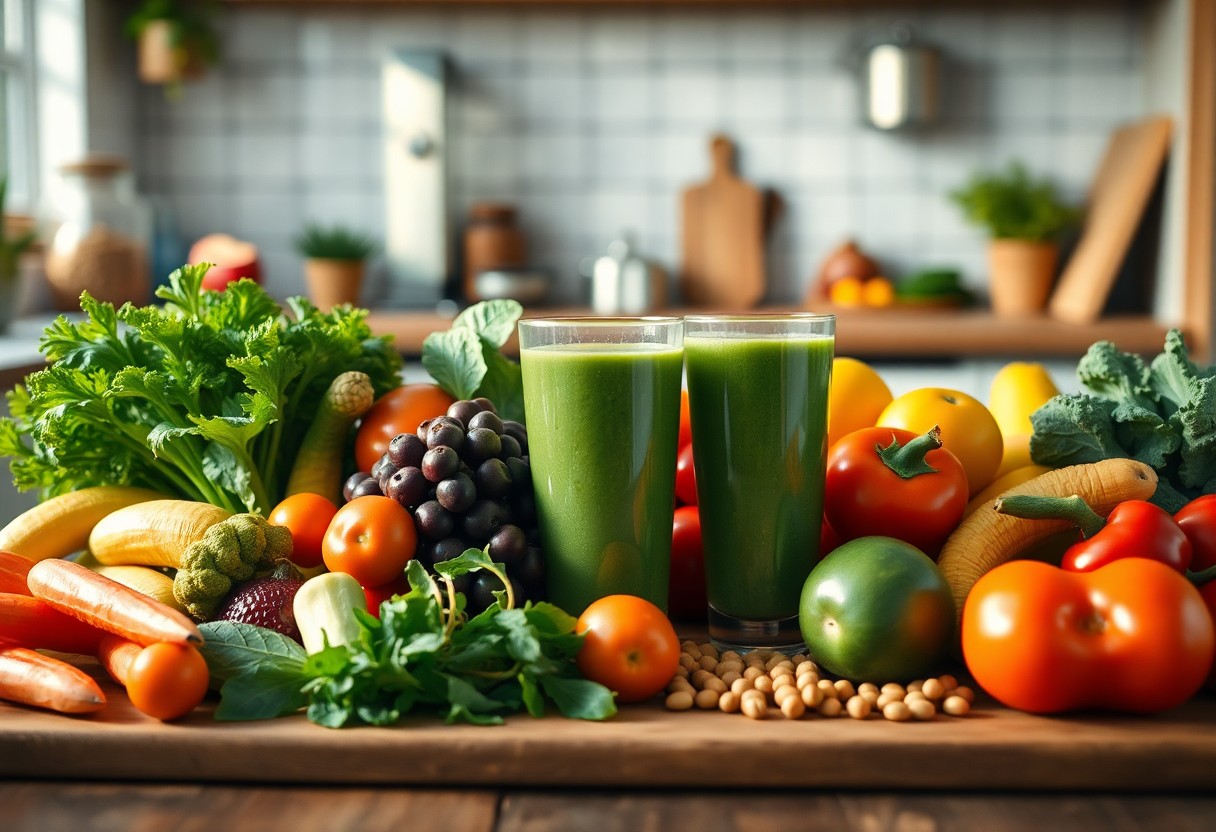
Common Misconceptions About Vegan Diets
Once again, many people express concerns about adopting a vegan diet due to common misconceptions that can distort the understanding of plant-based eating. A prevalent myth is that vegans fail to get enough protein or other necessary nutrients. This misunderstanding often leads to the assumption that one must rely solely on animal products to meet their dietary needs. In reality, there are abundant plant-based sources of protein and nutrients available, allowing you to maintain a well-balanced and nutritious diet without the need for animal products.
By examining these misconceptions, we can better appreciate the benefits of veganism. Your plant-based diet can be rich in variety and flavor, debunking the idea that it is restrictive or bland. It’s necessary to set aside these outdated beliefs and embrace a more profound understanding of how vegan diets can support overall health and wellness.
Protein Sources and Requirements
Misconceptions about protein often suggest that a vegan diet cannot provide adequate amounts of this vital macronutrient. However, there are numerous plant-based sources of protein that you can incorporate into your meals, such as legumes, lentils, nuts, seeds, and even whole grains. These foods can not only meet your protein needs but can also offer additional health benefits, such as fiber and antioxidants. Embracing a variety of these sources will ensure that you receive a complete amino acid profile, necessary for your body’s functions.
Myths About Nutritional Deficiencies
Below the surface, many myths about nutritional deficiencies persist, leading to fears about adopting a vegan lifestyle. It’s often said that vegan diets lack adequate amounts of iron, vitamin B12, omega-3 fatty acids, and calcium. While it’s true that these nutrients may be less abundant in a plant-based diet, there are plenty of effective strategies to ensure you receive them. Incorporating foods fortified with B12, consuming high-iron plant foods along with vitamin C for better absorption, and taking supplements when necessary can help you maintain optimal nutrient levels.
It’s important to approach nutritional deficiencies with an informed perspective. A well-planned vegan diet can provide all the necessary nutrients for a healthy lifestyle. For example, eating a variety of fruits, vegetables, whole grains, nuts, and seeds will help ensure you’re getting the right mix of vitamins and minerals. Additionally, supplementing where needed—especially with B12 and omega-3s—can easily fill any gaps. By understanding how to address these concerns, you can enjoy the many positive aspects of a vegan diet while supporting your overall health.
Tips for Transitioning to a Vegan Lifestyle
Unlike many diets that may require a complete overhaul overnight, transitioning to a vegan lifestyle can be a gradual and enjoyable process. I encourage you to take your time and explore the many aspects of veganism to make the shift easier. To help with the transition, here are a few practical tips you can implement:
- Start by introducing more plant-based meals into your current diet.
- Educate yourself on nutritional needs to ensure a well-rounded diet.
- Find community support, whether through online forums or local vegan groups.
- Identify your favorite non-vegan foods and seek out their plant-based alternatives.
The transition should be a positive journey toward better health and wellbeing.
Meal Planning and Preparation
On my journey towards a vegan lifestyle, I quickly discovered that meal planning plays a vital role in staying committed. It’s easy to fall back on old habits when hunger strikes, so planning ahead not only saves time but also ensures you have delicious options on hand. Begin by creating a weekly menu, incorporating a variety of fruits, vegetables, grains, and legumes to keep your meals exciting and satisfying. Use a mixture of recipes that you enjoy and new ones that push your culinary boundaries.
Additionally, I recommend setting aside time each week for meal prep. Preparing meals in bulk can significantly reduce the temptation to reach for convenience foods that do not align with your vegan goals. Consider batch cooking grains and legumes, chopping vegetables, or even freezing leftover meals for those busy days when cooking from scratch isn’t feasible. I find that having a well-stocked kitchen with staples makes it much easier to stick to a vegan diet.
Finding Vegan Alternatives
On this flavorful adventure, one of the most satisfying aspects has been discovering vegan alternatives to familiar favorites. I often began with simple swaps—like using almond milk instead of cow’s milk or choosing plant-based cheeses. When I felt adventurous, I explored wider options like lentil or chickpea pasta, which are both nutritious and delicious. The market is now filled with infinite possibilities that can cater to every craving without the animal products.
Even though finding vegan alternatives can seem overwhelming at first, it is crucial to explore various brands and products. There are numerous options available, including plant-based meats that closely mimic the taste and texture of meat, allowing for seamless integration into your meals. Some popular brands even offer vegan ice creams and snacks that will help you maintain a balanced diet while satisfying your sweet tooth. Not only do these innovative choices enhance your meal experience, but they also enable a more sustainable lifestyle that is in harmony with your values. The exploration of these alternatives might just open up a whole new world of flavors you didn’t realize you were missing!
Summing Up
Conclusively, embracing a vegan lifestyle offers a wealth of benefits that positively influence both your physical and mental health. I’ve explored how a plant-based diet can improve heart health, enhance digestion, and even boost your mood through the consumption of nutrient-dense foods. By focusing on whole, unprocessed plant foods, you can provide your body with imperative vitamins and minerals, while reducing inflammation and the risk of chronic diseases. Furthermore, transitioning to a vegan diet encourages a deeper connection with your food and the environment, ultimately leading to a more mindful approach to eating.
As you consider the shift to a plant-based diet, it’s imperative to acknowledge that change can be a gradual process. You have the power to make small, positive changes that can yield significant benefits over time. Whether it’s incorporating more fruits and vegetables into your meals or finding innovative vegan recipes, taking those first steps can lead to a healthier, more vibrant you. I encourage you to explore the science behind veganism and experiment with what feels best for your body, as this journey is not just about diet but a holistic approach to improving your overall wellbeing.
This article is for informational and educational purposes only. It does not constitute medical advice, diagnosis, or treatment. The information presented is researched from trusted sources including peer-reviewed scientific journals, CDC, NIH, WHO, and recognized health organizations. Always consult a qualified healthcare professional before making any changes to your diet, exercise routine, or health regimen.