Mpox Crisis in the Democratic Republic of Congo: A Humanitarian Emergency Unfolding

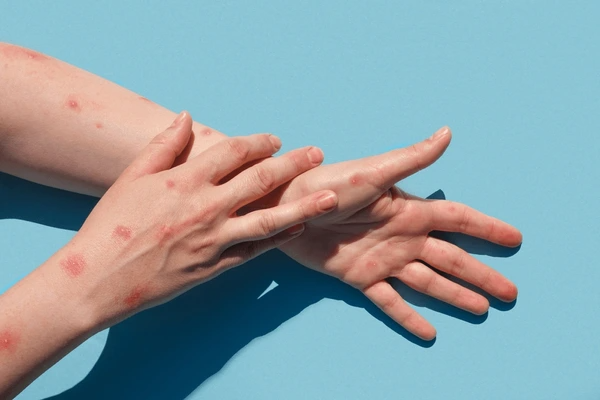
The Democratic Republic of Congo (DRC) is currently grappling with a severe outbreak of mpox, formerly known as monkeypox, that has rapidly escalated into a humanitarian crisis. This resurgence of the viral disease in its endemic region has raised alarm bells among global health organizations and highlighted the complex challenges faced by one of Africa’s most resource-rich yet conflict-ridden nations.
Also Read-Oropouche Fever: The Emerging Threat Rivaling Dengue in South America
As of August 2024, the DRC has reported over 7,800 suspected mpox cases and nearly 400 deaths since the beginning of the year, marking the highest number of annual cases ever recorded in the country. The outbreak has spread to 23 out of 26 provinces, with children under 5 years old accounting for 39% of cases and 62% of deaths. This unprecedented surge has strained the country’s already fragile healthcare system and exacerbated existing humanitarian challenges.
The Perfect Storm: Factors Fueling the Crisis.
Several interconnected factors have contributed to the rapid spread and severity of the mpox outbreak in the DRC:
- Weak healthcare infrastructure: Years of conflict and underinvestment have left the DRC’s health system ill-equipped to handle large-scale outbreaks.
- Limited access to diagnostics: Only 18% of reported cases in 2024 have been tested by PCR due to logistical challenges and resource constraints.
- Geographic expansion: The virus has spread to previously unaffected areas, including urban centers like Kinshasa and mining regions in the east.
- Changing transmission patterns: Evidence suggests sexual transmission of the more virulent Clade I MPXV strain, a new phenomenon for this variant.
- High-risk populations: Outbreaks have been reported among miners and sex workers, raising concerns about rapid spread in mobile populations.
- Concurrent crises: The DRC is simultaneously battling other health emergencies, including measles and cholera outbreaks.
- Poverty and displacement: With 74.6% of the population living on less than $2.15 a day, many Congolese lack access to basic healthcare and sanitation.
Key Statistics on the Mpox Outbreak in DRC (2024).
| Metric | Value | Source |
|---|---|---|
| Total reported cases | 7,851 | WHO |
| Total deaths | 384 | WHO |
| Case fatality rate | 4.9% | WHO |
| Provinces affected | 23 out of 26 | WHO |
| Cases in children under 5 | 3,090 (39%) | WHO |
| Deaths in children under 5 | 240 (62%) | WHO |
| PCR-tested cases | 18% | WHO |
| Provinces with highest case numbers | Equateur, Sud Ubangi, Sankuru, South Kivu | WHO |
A Shifting Epidemiological Landscape.
The current mpox outbreak in the DRC differs from previous occurrences in several crucial ways:
New Geographic Frontiers.
Historically, mpox cases in the DRC were primarily confined to forested regions in the country’s north and center. However, the 2024 outbreak has seen a significant geographic expansion, with cases reported in urban areas like Kinshasa and mining regions in the east that had never before experienced mpox.
Changing Demographics.
While mpox has typically affected rural populations with frequent exposure to wildlife, the current outbreak shows a concerning shift. A substantial number of cases have been reported among miners and sex workers in the gold-rich city of Kamituga, South Kivu province. This new pattern of transmission in high-risk, mobile populations raises the specter of rapid spread both within the DRC and across borders.
Evolving Transmission Dynamics.
Perhaps most alarmingly, scientists have documented sexual transmission of the Clade I MPXV strain for the first time. This more virulent variant of the virus was not previously known to spread through sexual contact, adding a new dimension to the outbreak’s complexity and potential for expansion.
Children at the Epicenter.
One of the most distressing aspects of the current mpox crisis in the DRC is its disproportionate impact on children. Unlike the global mpox outbreak of 2022-2023, which primarily affected adult men who have sex with men, the DRC’s epidemic has hit pediatric populations hard.
Children under 5 years old account for 39% of all reported cases and a staggering 62% of deaths. This high mortality rate among young children is particularly concerning and may be attributed to several factors:
- Underdeveloped immune systems: Young children are more vulnerable to severe disease outcomes.
- Malnutrition: The DRC has one of the highest rates of childhood stunting in sub-Saharan Africa, weakening children’s ability to fight infections.
- Delayed healthcare-seeking: Stigma and lack of awareness may lead to late presentation for medical care.
- Limited pediatric care capacity: Many health facilities lack specialized equipment and expertise for treating severe mpox in children.
Humanitarian Challenges Amplifying the Crisis.
The mpox outbreak in the DRC is unfolding against a backdrop of longstanding humanitarian challenges that complicate response efforts:
Persistent Conflict and Displacement.
Eastern DRC continues to experience armed conflict and instability, leading to large-scale population displacement. This not only facilitates disease spread but also hinders access to healthcare and humanitarian aid.
Extreme Poverty.
With nearly three-quarters of the population living in extreme poverty, many Congolese lack access to basic necessities, including clean water, sanitation, and healthcare. This creates fertile ground for disease transmission and impedes prevention efforts.
Weak Governance and Infrastructure.
Decades of political instability and underinvestment have left the DRC with severely limited government capacity and crumbling infrastructure. This makes coordinating a nationwide disease response exceptionally challenging.
Competing Health Priorities.
The DRC simultaneously faces other health emergencies, including measles outbreaks, cholera, and ongoing efforts to control HIV and tuberculosis. These competing priorities stretch already limited health resources thin.
The International Response: Challenges and Opportunities.
The global health community has mobilized to support the DRC’s mpox response, but significant hurdles remain:
Diagnostic Capacity.
Expanding laboratory testing capabilities is crucial for accurate case identification and containment. While GeneXpert testing has been introduced in some provinces, validation and scale-up are ongoing challenges.
Vaccine Access.
Unlike the 2022 global outbreak, there is currently no targeted vaccination campaign for mpox in the DRC. Negotiations are underway to secure doses of newer mpox vaccines, but logistical and financial barriers persist.
Surveillance and Contact Tracing.
Improving disease surveillance and contact tracing in remote areas and conflict zones is essential for containing the outbreak. International partners are working to strengthen these capacities, but progress is slow.
Community Engagement.
Addressing stigma, misinformation, and cultural barriers to healthcare-seeking is critical. UNICEF and other organizations are ramping up risk communication and community engagement efforts.
Looking Ahead: A Call to Action.
The mpox crisis in the DRC serves as a stark reminder of the interconnectedness of global health security and the urgent need to address longstanding inequities in healthcare access and infrastructure.
To effectively combat this outbreak and prevent future crises, a multi-pronged approach is necessary:
- Increased funding: The international community must mobilize substantial resources to support the DRC’s mpox response and broader health system strengthening efforts.
- Research and innovation: Accelerated research into mpox transmission dynamics, improved diagnostics, and adapted vaccines for the Clade I strain is crucial.
- Health system strengthening: Long-term investments in the DRC’s healthcare infrastructure, workforce, and supply chains are essential for building resilience against future outbreaks.
- One Health approach: Addressing the animal-human interface of mpox transmission through improved wildlife surveillance and ecosystem management is vital.
- Equity-focused interventions: Targeted efforts to reach vulnerable populations, including children, displaced persons, and those in conflict zones, must be prioritized.
- Regional cooperation: Enhanced cross-border surveillance and information sharing among Central African nations is necessary to prevent wider spread.
As the world grapples with the ongoing aftermath of the COVID-19 pandemic, the mpox crisis in the DRC serves as a potent reminder that emerging infectious diseases respect no borders. Only through sustained, collaborative efforts can we hope to contain this outbreak and build a more resilient global health ecosystem for the future.
Latest Studies.
- Genomic analysis of Clade I MPXV strains: Researchers at the University of Kinshasa have sequenced viral samples from the current outbreak, identifying potential mutations that may be contributing to increased transmissibility.
- Pediatric mpox outcomes: A multi-center study across DRC hospitals is examining risk factors for severe disease progression in children, aiming to improve clinical management protocols.
- Zoonotic transmission patterns: Wildlife biologists are conducting extensive surveys in affected regions to better understand the animal reservoirs and spillover events driving the outbreak.
- Community-based interventions: A pilot program in Equateur province is evaluating the effectiveness of village health worker networks in early case detection and referral.
Frequently Asked Questions.
Q: What is the difference between mpox and monkeypox?
A: Mpox is the new name for monkeypox, adopted by the World Health Organization in 2022 to reduce stigma associated with the disease. They refer to the same viral infection.
Q: Why is the mpox outbreak in DRC more severe than in other countries?
A: The DRC faces unique challenges, including a more virulent virus strain, weak healthcare infrastructure, ongoing conflicts, and high poverty rates, which collectively contribute to the outbreak’s severity.
Q: Are the mpox vaccines used globally effective against the strain in DRC?
A: While existing vaccines have shown efficacy against other mpox strains, their effectiveness against the specific Clade I variant circulating in DRC is still being studied. Adaptations may be necessary for optimal protection.
Q: How can individuals protect themselves from mpox in affected areas?
A: Prevention measures include avoiding close contact with infected individuals or animals, practicing good hygiene, and seeking prompt medical attention if symptoms develop.
Q: What is being done to protect children from mpox in DRC?
A: Efforts are underway to improve pediatric care capacity, enhance vaccination coverage for other childhood diseases to boost overall immunity, and educate families on early symptom recognition and care-seeking.
In conclusion, the mpox outbreak in the Democratic Republic of Congo represents a complex humanitarian crisis that demands urgent global attention and a coordinated, multifaceted response. By addressing both the immediate health emergency and the underlying socioeconomic factors fueling its spread, the international community has an opportunity to not only contain this outbreak but also to build more resilient health systems capable of withstanding future challenges.
Disclaimer
This article is for informational purposes only and does not constitute medical advice. The information provided is based on current understanding and may change as new research becomes available. The situation described is evolving rapidly, and readers should consult official health organizations and local authorities for the most up-to-date and region-specific information. The authors and publishers of this article are not responsible for any actions taken based on the information presented herein.
This article is for informational and educational purposes only. It does not constitute medical advice, diagnosis, or treatment. The information presented is researched from trusted sources including peer-reviewed scientific journals, CDC, NIH, WHO, and recognized health organizations. Always consult a qualified healthcare professional before making any changes to your diet, exercise routine, or health regimen.