Non Stress Sleep Positions: How Your Sleeping Posture Affects Your Mental and Physical Wellbeing

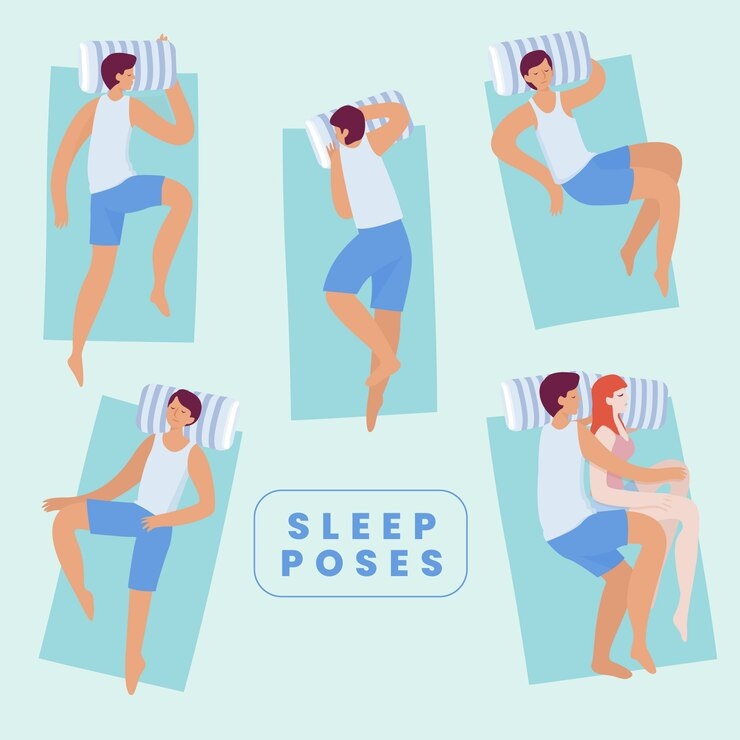
Non Stress Sleep Positions. The way we position ourselves during sleep plays a crucial role in both indicating and influencing our stress levels. Recent research has established strong connections between specific sleep positions and stress levels, making sleep posture an important consideration for anyone looking to improve their mental health through better sleep practices. When we experience chronic stress, our bodies often remain in a heightened state of alertness even during sleep, which manifests in certain sleep positions that may seem comfortable but actually reflect and potentially exacerbate stress levels. According to sleep experts, identifying and modifying these stress-related sleep positions can be an effective strategy for breaking the cycle of chronic stress and poor sleep quality that affects millions of people worldwide.
Also Read-What Foods Raise Your Cortisol? Impact of Diet on Stress Hormones
Our bodies communicate even when we’re unconscious. The positions we naturally adopt during sleep can provide valuable insights into our mental and emotional state, particularly our stress levels. According to recent research, there’s a bidirectional relationship between sleep positions and stress – certain positions may indicate elevated stress hormones, while others can actively help reduce stress during the night.
Sleep Position Impact on Stress Levels and Health.
| Sleep Position | Stress Indication | Physical Impact | Recommended For | Not Recommended For | Professional Recommendation |
|---|---|---|---|---|---|
| Side Sleeping (Left) | Generally low stress | Improves spinal alignment, enhances brain waste clearance, aids digestion | Pregnancy, acid reflux, sleep apnea, heart health | Shoulder pain | There’s a host of evidence overall suggesting that probably sleeping on the side is better. |
| Side Sleeping (Right) | Generally low stress | Better lymphatic drainage, may prevent heart diseases | General population, improved sleep quality | Acid reflux, heartburn | Research indicates subjects with right-side preference had better sleep quality. |
| Back Sleeping | Moderate stress potential | Maintains spinal alignment, reduces facial wrinkles, helps with nasal congestion | Neck pain, facial concerns | Sleep apnea, snoring, pregnancy | Back-sleepers beware… sleeping on your back is actually the worst sleeping position, especially if you have sleep apnea. |
| Stomach Sleeping | High stress indicator | Strains neck and spine, restricts breathing, flattens natural spine curves | Snoring reduction (mild cases) | Back pain, neck pain, pregnancy, stress-related issues | Lying face down can cause strain on the neck and lower back, as it forces the head to turn to one side for breathing. |
| Tight Fetal Position | High stress indicator | Restricts breathing, creates muscle tension, constrains natural positioning | Temporary anxiety relief | Long-term stress management, respiratory issues | Restricts diaphragmatic breathing, which can trigger or maintain stress response. |
The Connection Between Sleep Positions and Stress: What Your Body Language During Sleep Reveals
When the body is under chronic stress, it often remains in a state of physiological alertness even during sleep. As highlighted in recent findings, when you are under stress, your body responds by activating the hypothalamic-pituitary-adrenal (HPA) axis, which releases cortisol, a critical hormone in managing your body’s reaction to stress. This activation influences how we position ourselves as we sleep, often leading to more tense, contracted postures.
Dr. Satish Reddy, Consultant Pulmonologist, explains that when the body is “stuck” in stress mode, it means the muscles are not properly relaxed or aligned during sleep, which can lead to discomfort and disturbed rest. This creates a vicious cycle – stress affects sleep position, which further disrupts sleep quality, potentially worsening stress levels.
Signs Your Sleep Position May Indicate High Stress.
- The Tight Fetal Position: While side sleeping is generally beneficial, an extremely curled fetal position with knees drawn tightly to the chest may indicate anxiety or high stress. This can restrict breathing and cause tension in the neck and back.
- Stomach Sleeping with Arms Above Head: This “freefaller” position may indicate a person feeling overwhelmed and attempting to protect themselves.
- Rigid Back Sleeping: Sleeping stiffly on your back without natural curvature may reflect tension held in the body.
- Restless Position Changes: Frequent position changes throughout the night often indicate that the body isn’t settling into restful sleep due to stress.
- Starfish Position: Lying on the back with arms stretched overhead may cause discomfort in the shoulders, which might reflect a stressed nervous system.
It’s important to note that while these positions might indicate stress, individual preferences vary. The key factor is whether your position promotes relaxation or tension in your body during sleep.
Common Sleep Positions and Their Impact on Stress.
Side Sleeping: The Optimal Position for Stress Reduction?
Side sleeping is the most common sleep position, with more than 60% of people preferring it. Research suggests it may also be one of the best positions for reducing stress and promoting mental wellbeing.
- Improved Lymphatic Drainage: Side sleeping, especially on the right side, enhances lymphatic drainage, helping remove toxins and reduce physical stress in the body.
- Enhanced Brain Waste Clearance: Side sleeping might be optimal for brain health, aiding in clearing toxins from the brain that may contribute to cognitive decline and stress-related mental health issues.
- Reduced Respiratory Stress: Side sleeping helps keep the airway open, reducing the likelihood of sleep apnea and related stress on the cardiovascular system.
- Potential Stress Reduction Based on Side Preference: Research indicates that the specific side you choose might matter, with right-sided lying and a lower frequency of turning linked to better sleep quality.
To maximize the stress-reducing benefits of side sleeping:
- Use a pillow with appropriate loft (thickness) that matches the distance between your neck and shoulder
- Place a pillow between your knees to maintain proper hip alignment
- Consider a body pillow if you tend to shift positions
- Avoid extreme flexion (tight fetal position) which can restrict breathing and increase tension
Back Sleeping: A Mixed Picture for Stress Management.
Back sleeping, also known as the supine position, presents both benefits and challenges when it comes to stress management.
- Benefits: Optimal spinal alignment, reduced facial tension, and relief from nasal congestion.
- Drawbacks: Higher rates of sleep disruption, worsened sleep apnea, and potential heart strain for some individuals.
If you prefer back sleeping:
- Place a pillow under your knees to maintain the natural curve of your lower back
- Use a small, rolled towel under your waist if needed
- Consider a specialized pillow for neck support
- Elevate your upper body slightly if you experience breathing difficulties
Stomach Sleeping: The High-Stress Position?
Stomach sleeping (prone position) is the least common sleep position and potentially the most problematic for stress levels. It forces neck rotation, restricts breathing, and creates spinal tension. While it may help with certain conditions like snoring, most sleep experts recommend transitioning to other positions if you experience pain, stress, or breathing difficulties.
The Fetal Position: Psychological Implications.
The fetal position is common, but an extremely tight version may indicate a subconscious desire for safety and security, often associated with anxiety or stress. It can restrict breathing and create muscle tension. Gradually work toward a more extended side-lying position and use relaxation techniques before bed to release physical tension.
How Sleep Positions Affect Your Physical Health and Stress Response.
Spinal Alignment and Its Connection to Stress.
The spine houses the spinal cord, a crucial component of our nervous system that influences stress regulation. Proper alignment during sleep is essential for both physical comfort and optimal nervous system function. Misalignment can irritate nerves, increase muscle tension, and trigger stress responses.
Effects on Breathing and Stress Regulation.
Our breathing patterns are intimately connected to our stress levels, and sleep positions significantly impact respiratory function. Side sleeping promotes unobstructed breathing, supporting relaxation, while back and stomach sleeping can worsen snoring, sleep apnea, and stress hormone production.
Impact on Heart Health and Stress.
Sleep positions can directly influence cardiac function. Left-side sleeping is often recommended for those with digestive issues and for pregnant women, while right-side sleeping can help prevent heart diseases. Back sleeping may be advised after a heart attack but can increase heart strain in some cases.
Relationship with Brain Health and Cognitive Function.
Side sleeping may be particularly beneficial for brain health, enhancing waste clearance and cerebrospinal fluid movement. These processes help the brain recover from daily stress and may reduce the risk of cognitive decline.
Optimizing Your Sleep Position for Stress Relief.
Choosing the Right Mattress and Pillows.
- Medium-firm mattresses generally provide the best support for spinal alignment.
- Memory foam or hybrid mattresses can help distribute pressure and reduce stress-inducing positions.
- Choose pillows that support your preferred sleep position and keep your neck aligned with your spine.
Proper Alignment Techniques for Each Position.
- Side Sleeping: Draw your legs up slightly, put a pillow between your knees, and keep your arms in a neutral position.
- Back Sleeping: Place a pillow under your knees and use a pillow that supports your neck.
- Stomach Sleeping: Place a pillow under your hips and use a thin pillow for your head if necessary.
Transitioning to Healthier Sleep Positions.
- Start by falling asleep in the desired position.
- Use pillows as “guards” to prevent rolling into habitual positions.
- Practice the new position during brief daytime rest periods.
- Be patient – it can take 2-3 weeks to establish new sleep position habits.
Latest Research on Sleep Positions and Stress.
Recent Studies on Physiological Effects of Different Postures.
- Supine (back) position increases sleep disruption and stress hormone production.
- Right-sided sleeping and fewer position changes are linked to better sleep quality.
- Pain-induced stress can lead to more frequent posture changes and lower sleep quality.
- Side sleeping may help drain waste from the brain, supporting stress recovery.
Emerging Understanding of Sleep Position and Mental Health.
- Sleep positions can influence stress hormone regulation and mental health.
- Position therapy is being explored as a complementary approach for stress-related conditions.
- Different sleep positions may activate relaxation or stress responses in the nervous system.
Special Considerations for Specific Populations.
Sleep Positions During Pregnancy.
- Experts recommend sleeping on the left side with knees bent during pregnancy.
- Back sleeping is not advisable in later pregnancy stages due to pressure on blood vessels.
- Use pillows for support and switch sides to relieve pressure as needed.
Positions for Those with Chronic Conditions.
- After a heart attack, sleeping on your back with your head elevated may reduce heart pressure.
- Side sleeping is preferred for those with respiratory conditions.
- Left-side sleeping is recommended for digestive issues.
- Side sleeping with a pillow between the knees can help with chronic pain.
Frequently Asked Questions About Stress Sleep Positions.
Does my sleep position really affect my stress levels?
Yes, research indicates a bidirectional relationship between sleep positions and stress. Certain positions may both reflect and potentially exacerbate stress levels by restricting breathing, creating muscle tension, and disrupting sleep quality.
What is the best sleep position for reducing stress?
While individual needs vary, research suggests that side sleeping with moderate knee flexion and proper pillow support may be optimal for stress reduction. This position supports proper breathing, spinal alignment, and brain processes that help manage stress hormones.
How can I tell if my sleep position is contributing to my stress?
Signs include waking with muscle tension or pain, feeling unrested, frequent position changes, breathing difficulties, or waking in tense positions. If you notice these, consider consulting a healthcare provider about optimal sleep positioning.
Can I change my natural sleep position preferences?
Yes, though it requires patience and consistency. Practice falling asleep in the desired position, use pillows as barriers, and be patient as it can take 2-3 weeks to establish new habits.
Should everyone avoid stomach sleeping?
Stomach sleeping is generally less optimal due to its impact on spinal alignment and breathing. If you experience discomfort or stress symptoms, transitioning to side sleeping may be beneficial.
Conclusion: Finding Your Optimal Sleep Position for Stress Reduction.
Sleep positions play a significant role in both indicating and influencing our stress levels. Different sleeping postures affect spinal alignment, breathing patterns, heart function, and brain waste clearance – all processes connected to our stress response systems.
While side sleeping is generally favorable for stress reduction, the ideal approach is personalized. Evaluate your current sleep positions, make supportive modifications, and invest in quality sleep to support your body’s capacity to regulate stress effectively.
Disclaimer: This article is for informational purposes only and does not constitute medical advice. The content provided is based on current research and expert opinion as of 2024. Individual needs and health conditions vary. Always consult with a qualified healthcare provider before making changes to your sleep habits or if you have concerns about your health or sleep quality.
This article is for informational and educational purposes only. It does not constitute medical advice, diagnosis, or treatment. The information presented is researched from trusted sources including peer-reviewed scientific journals, CDC, NIH, WHO, and recognized health organizations. Always consult a qualified healthcare professional before making any changes to your diet, exercise routine, or health regimen.