Does Whey Protein Make You Gain Weight

Does Whey Protein Make You Gain Weight?
The short answer is no — whey protein does not, by itself, make you gain fat. Weight gain happens when you regularly eat and drink more calories than your body uses, whatever those calories come from. A whey shake is simply one source of calories and protein. If it fits inside your daily calorie needs, it will not make you gain weight. If it is added on top of everything you already eat, day after day, it can contribute to a surplus — just like an extra paratha, a sweetened lassi or a second helping of rice would.
Where the extra weight settles — for many Indian adults, around the waist first — depends on factors such as age, sex, activity level and genetics. But the driver is always the same: total energy in versus total energy out.
It Is Total Calories, Not the Protein Powder
Protein powder has no special fattening property. Your body stores energy when there is a consistent surplus, and it draws on stored energy when there is a deficit. Whey can actually support weight management for many people, because protein is filling. A shake after training, or as part of breakfast, can keep you full for longer and make it easier to avoid unplanned snacking.
Exercise matters here too. Resistance training helps you build and keep muscle, improves strength and supports overall health. Protein gives your muscles the building blocks they need, but it is the combination of training, enough protein and the right total calories that decides whether you gain muscle, gain fat, lose weight or stay the same. If you want to plan your protein, carbs and fat sensibly, start with our guide to macros: a simple guide to protein, carbs and fats.
How One Scoop Fits Your Calorie Budget
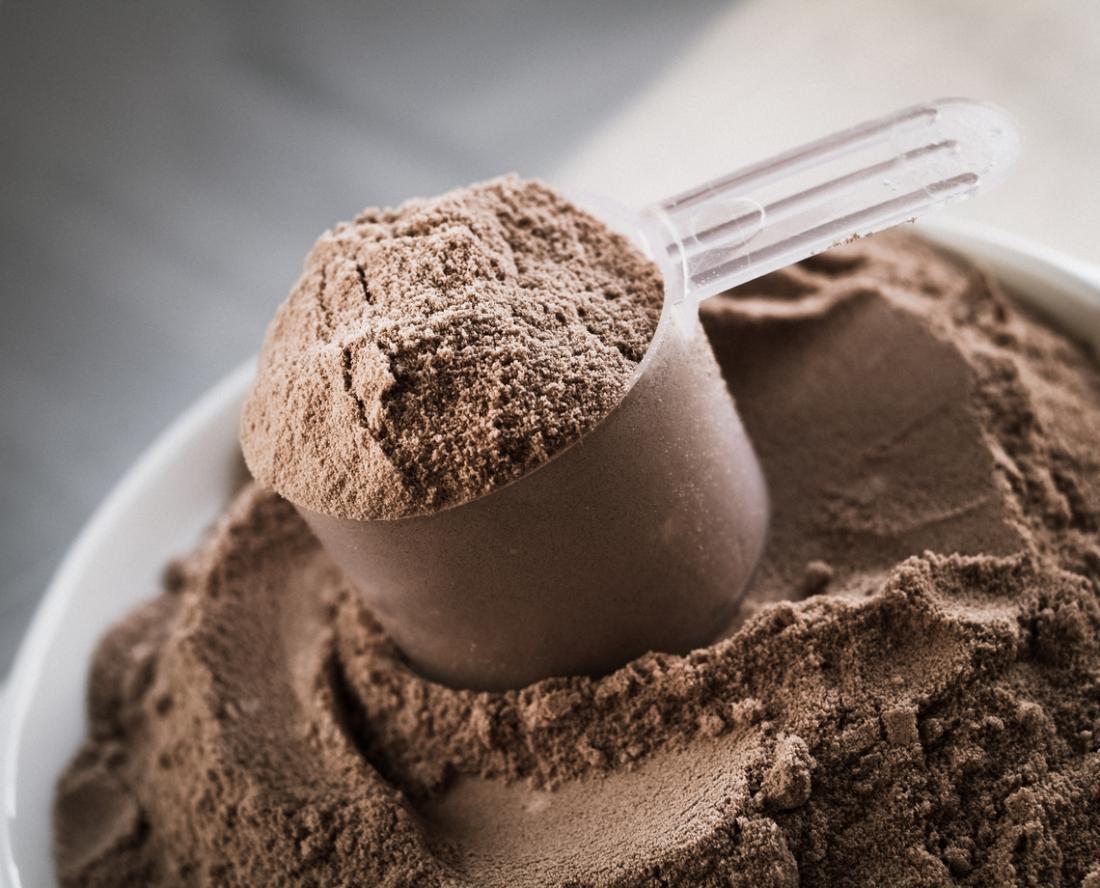
A typical scoop of whey protein has roughly 20–25 g protein and about 120 kcal — check your label, because sweetened and mass-gainer products can be very different. Around 120 kcal is roughly the energy in a small banana or a glass of milk. That is easy to fit into most eating plans when you plan for it.
The practical rule is simple: swap, do not just add. If a post-workout shake becomes part of your day, balance it elsewhere — for example, a slightly smaller snack later, or skipping the sugar in your tea. If you are unsure what your daily target should be, our advanced fitness calculators can help you estimate your calorie and protein needs based on your body and activity level.
If your goal is to gain weight in a healthy way, the same logic works in reverse. You need a modest surplus, built from regular meals plus, if it helps, a shake. Gaining slowly, with training, favours muscle over fat. Dumping two or three large sweetened shakes on top of full meals is more likely to add fat than useful size.
Whey vs Protein From Food
Whey is not better than food protein — it is just more convenient. It mixes in seconds, is easy to carry to the gym or office, and gives you a measured amount of protein without much fat or carbohydrate. For many people in India, that convenience matters on busy days when dal, paneer or eggs were not part of the meal.
Whole foods bring more to the table: fibre, vitamins, minerals and the satisfaction of a proper meal. Eggs, milk, curd, paneer, dal, chickpeas, soya, fish and chicken can all cover your protein needs if your diet is planned well. Think of whey as a backup for the days food falls short, not as a replacement for meals. Most active people do well with a mix — food first, and a shake when time, appetite or travel makes food difficult.
When Whey Can Contribute to Weight Gain
Whey can become part of a surplus in a few common situations. The first is the loaded shake: whey blended with full-cream milk, banana, peanut butter, honey and oats can quietly become a full meal’s worth of calories. Delicious, and useful if you are trying to gain — but a problem if you thought you were having a light protein drink.
The second is stacking: a shake after training, another as a mid-morning snack, plus unchanged meals. The third is drinking calories without noticing them — liquid calories are easy to forget when you review your day. None of this is whey’s fault. It is the total that counts, and a food-and-shake diary for even one week usually shows exactly where a surplus is coming from.
A Note on Bloating and Lactose
Some people feel bloated, gassy or uncomfortable after whey. A common reason is lactose, the natural sugar in milk, because whey is made from milk. Whey concentrate usually contains more lactose, while whey isolate is filtered further and typically contains less, which is why some people find isolate easier to digest. This varies from person to person.
If a shake troubles you, try a smaller portion, have it with food rather than on an empty stomach, and check the label for added sweeteners and gums, which bother some people. If symptoms continue, stop and speak to a doctor — persistent digestive symptoms deserve a proper check, and there are many non-whey protein options if dairy does not suit you.
Frequently Asked Questions
Will whey protein make me fat if I do not work out?
Not by itself. If you drink shakes without training and they push you above your daily calorie needs, the surplus can be stored as fat over time. Without resistance training, extra protein also has little reason to become muscle. If you are not training, you usually do not need a supplement — food protein is enough for most people.
Can whey protein help me lose weight?
It can help as a tool. A measured shake can replace a higher-calorie snack and help you hit your protein target, which supports fullness and helps you keep muscle while you lose fat. But no shake creates a calorie deficit on its own — your overall eating pattern does that. Readers comparing supplements may also find our explainer on what creatine is and what research says about its benefits and safety useful.
How many scoops a day is reasonable?
For most people, one scoop a day is plenty, and two is a common upper pattern on heavy training days — provided the calories fit your budget and the rest of your protein comes from food. More is not automatically better. Count the shake inside your daily protein and calorie totals, check your label, and let your meals do most of the work.
Bottom line: whey protein does not make you gain weight. Eating more calories than you use does — from any source. Used deliberately, a scoop is a convenient, measured way to reach your protein target, whether your goal is to build muscle, lose fat or simply eat better on busy days.
Sources
Related guides
- Top 5 Vegetarian Protein Sources to Add in Your Diet
- 10 High-Protein Breakfast Ideas for Busy Mornings
- BBW Weight Gain-Causes, Health Effects, Prevention, and Treatment
By the FitNTip Editorial Team · Last updated: 1 February 2022
How FitNTip builds its guides: our articles are compiled from official public sources — including the Indian Food Composition Tables (ICMR–National Institute of Nutrition), USDA FoodData Central and the WHO healthy diet guidance — and reviewed against them when updated.
This article is educational and is not medical advice. If you have a medical condition, are pregnant, or plan a major change in diet or training, talk to your doctor first.
This article is for informational and educational purposes only. It does not constitute medical advice, diagnosis, or treatment. The information presented is researched from trusted sources including peer-reviewed scientific journals, CDC, NIH, WHO, and recognized health organizations. Always consult a qualified healthcare professional before making any changes to your diet, exercise routine, or health regimen.