Bone Health at Every Age: What Research Says About Building, Protecting, and Strengthening Bones

Osteoporosis is often called a “silent” disease, because it typically causes no symptoms until a bone breaks. That is one reason World Osteoporosis Day, marked on October 20 each year, matters: it puts a spotlight on a condition many people do not know they have. The 2026 campaign from the International Osteoporosis Foundation (IOF) frames lifelong bone health in simple terms — build, protect, and strengthen — and reminds readers that every stage of life matters for bones.
Osteoporosis is a bone disease in which bone mineral density and bone mass decrease, or the structure and strength of bone change. Over time, that can lead to decreased bone strength and a higher risk of fractures, according to NIAMS. This article explains what research says about building, protecting, and strengthening bones, and where the evidence stops.
Disclaimer: This article is for general information only. It is not medical advice, and it is not a recommendation for any person. Talk to a qualified clinician before changing diet, exercise, or supplement habits, especially with a health condition or medication use.
Bone Health at a Glance
| Focus | What it means in practice |
|---|---|
| Build | Build strong bones with a balanced diet rich in calcium and protein, regular weight-bearing and muscle-strengthening exercise, and healthy lifestyle habits. |
| Protect | Protect bone health by understanding osteoporosis risk, seeking assessment when appropriate, staying active, and taking steps to prevent falls. |
| Strengthen | Strengthen bones after a diagnosis or a fracture through timely diagnosis, treatment as prescribed, good nutrition, regular exercise, falls prevention, and ongoing support to reduce the risk of future fractures. |
The table above is paraphrased from the IOF World Osteoporosis Day campaign. The sections below explain each stage in more detail, using NIAMS for the science of risk and prevention.
Build: Strong Bones Start Early and Need Care Across Life
Building bone health begins in childhood and continues through adulthood. The IOF puts it plainly: from building strong bones in childhood and maintaining them through adulthood, to protecting against osteoporosis and preventing fractures later in life, every stage of life matters. In other words, bone health is not something to think about only in later years. Habits formed early, and kept up over time, support bones for the long term.
Nutrition is a central part of building bone. The IOF describes a balanced diet rich in calcium and protein as part of building strong bones. NIAMS similarly points to a nutritious diet rich in calcium and vitamin D as a step that supports bone health. Put together, the message is steady and simple: eating patterns that regularly provide calcium, protein, and vitamin D give bones the raw materials they need. No single food carries the whole load, and no amount is promised here — the focus is on an overall balanced diet, not on any one product.
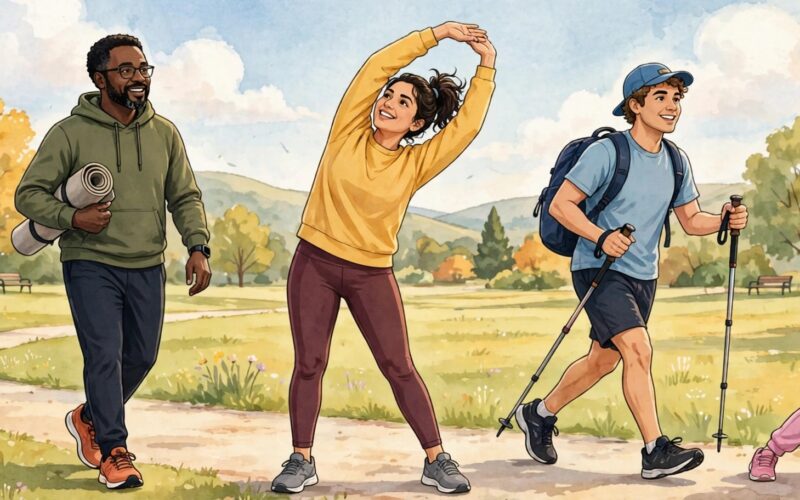
Movement is the other pillar of building bone. The IOF highlights regular weight-bearing and muscle-strengthening exercise. NIAMS lists staying physically active as a prevention step and names walking as an example of weight-bearing exercise. Weight-bearing activity is activity done on the feet, with bones and muscles working against gravity. Muscle-strengthening activity adds work for the muscles that support the skeleton. Together, they help keep bones and the muscles around them active and resilient.
Healthy lifestyle habits round out the picture. NIAMS lists drinking alcohol in moderation and quitting smoking, or not starting, among the steps that support bone health. These habits matter alongside diet and exercise, not instead of them. Bone health is built from the pattern of daily life, not from a single change.
Protect: Understanding Risk and Preventing Falls
Protecting bone health means understanding osteoporosis risk, seeking assessment when appropriate, staying active, and taking steps to prevent falls. Those four ideas come from the IOF campaign. They are practical rather than dramatic: protection is about knowing where a person stands, staying active, and reducing the chance of the falls that so often lead to fractures.
NIAMS lists a range of risk factors that can raise the chance of developing osteoporosis. Knowing them helps people have better conversations with a clinician:
- Sex. More women develop osteoporosis than men, but men are also at risk.
- Age. As people age, bone loss happens more quickly and new bone growth slows.
- Body size. Slender, thin-boned people are at greater risk because they have less bone to lose.
- Family history. Risk may be higher if a parent has a history of osteoporosis or a hip fracture.
- Hormones. Low estrogen levels after menopause, or from an abnormal absence of periods, and low testosterone levels in men can raise risk.
- Diet. A diet low in calcium and vitamin D from childhood into old age can increase risk, and excessive dieting or poor protein intake may increase the risk of bone loss.
- Other medical conditions. Some endocrine, gastrointestinal, and other long-term conditions are linked with higher risk.
- Certain medications. Long-term use of certain medications can increase risk.
- Lifestyle. Low levels of physical activity, prolonged inactivity, chronic heavy drinking, and smoking are risk factors.
NIAMS notes that many people have several risk factors, while others have none. Risk factors raise the chance of a problem; they do not decide it. That is why assessment, when appropriate, and a conversation with a clinician matter more than trying to guess risk from a checklist alone.
Falls prevention deserves special attention. Fractures in osteoporosis can happen after a fall from standing height, or even from normal stresses such as bending, lifting, or coughing. Staying active, keeping balance and strength in daily life, and taking sensible steps to reduce fall hazards all fit the IOF picture of protection. Anyone who has fallen before, or who feels unsteady, can raise it with a clinician.
Strengthen: After a Diagnosis or a Fracture
Strengthen is the stage for people who already have osteoporosis, or who have had a fracture. The IOF describes it as timely diagnosis, treatment as prescribed, good nutrition, regular exercise, falls prevention, and ongoing support to reduce the risk of future fractures. The emphasis shifts from building for the future to steady, supported care in the present.
Timely diagnosis matters because osteoporosis is often silent. A diagnosis can come after a fracture, or through assessment arranged with a clinician. Once a diagnosis is made, following treatment as prescribed is part of the plan. NIAMS notes that taking medications if prescribed can help prevent fractures in people who have osteoporosis. Questions or concerns about treatment are best raised with the clinician who prescribed it, rather than handled alone.
Nutrition and exercise remain important after a diagnosis. Good nutrition, a balanced diet rich in calcium and protein, and regular exercise continue to support bones and the muscles that protect them. Falls prevention becomes even more important, because a fall after a fracture can lead to another one. Ongoing support — from clinicians, family, and community — helps people stay active, keep up with care, and protect mobility and independence.
A fracture can be frightening, and recovery takes time. The Strengthen stage is not about returning to everything at once. It is about steady steps: diagnosis, care as prescribed, nutrition, movement that fits a person’s situation, falls prevention, and support over time.
What the Evidence Does Not Show
Research on bone health describes patterns across groups of people. It cannot promise any individual outcome. A person who eats well and exercises regularly can still develop osteoporosis, and a person with several risk factors may never have a fracture. Bone health varies from person to person, and no article, diet, or exercise routine can guarantee that a fracture will never happen.
The evidence also does not point to a single cause of osteoporosis. Risk comes from a mix of factors — some that can be changed, such as activity level and smoking, and some that cannot, such as age and family history. That mix is why bone health guidance is general, and why personal decisions belong in a conversation with a qualified clinician who knows a person’s history.
Finally, this article is information, not medical advice. It is not a diagnosis, and it does not replace care from a clinician. Anyone who is concerned about bone health, has had a fracture, or is considering changes to diet, exercise, or medication can talk with a qualified health provider.
Frequently Asked Questions
Why Is Osteoporosis Called a Silent Disease?
Osteoporosis is called a “silent” disease because there are typically no symptoms until a bone is broken, according to NIAMS. Many people do not know they have it until a fracture happens. That silence is why awareness, risk conversations, and assessment when appropriate matter.
Which Bones Break Most Often?
Fractures can occur in any bone, but they happen most often in the bones of the hip, the vertebrae in the spine, and the wrist, according to NIAMS. A fracture of a vertebra in the spine can cause severe back pain, loss of height, and a stooped or hunched posture. A fracture that happens after a minor fall, or from normal stress such as bending, lifting, or coughing, is a sign to seek care.
What Does Weight-Bearing Exercise Mean?
Weight-bearing exercise means activity done on the feet, in which bones and muscles work against gravity. Walking is the example NIAMS gives. Muscle-strengthening exercise is a related but separate category in the IOF campaign: it works the muscles that support the skeleton. Both kinds of movement count, and staying physically active in ways that fit a person’s health and ability is the goal.
Can Men Get Osteoporosis?
Yes. Osteoporosis affects women and men. Because more women get osteoporosis than men, many men think they are not at risk. However, NIAMS notes that both older men and women are at risk, and men can also have risk factors such as low testosterone, low activity, smoking, and long-term use of certain medications. Men who have risk factors, or who have had a fracture, can talk with a clinician just as women can.
The Bottom Line
Bone health is a lifelong project. Build strong bones early and maintain them through adulthood. Protect them by understanding risk, staying active, and preventing falls. Strengthen them, after a diagnosis or a fracture, with timely care, nutrition, exercise, falls prevention, and ongoing support. As the IOF campaign puts it, it is never too early — or too late — to take action. By building, protecting, and strengthening bones throughout life, people can help preserve mobility, independence, and quality of life.
Sources
Risk Factors: What You Cannot Change vs What You Can Influence
NIAMS lists a range of risk factors that can raise the chance of developing osteoporosis. Some of these factors cannot be changed, while others can be influenced through daily habits and conversations with a clinician. Knowing the difference can help people focus on the steps that are within their control.
| Type | Risk factor | What it means |
|---|---|---|
| What you cannot change | Sex | More women develop osteoporosis than men, but men are also at risk. |
| What you cannot change | Age | As people age, bone loss happens more quickly and new bone growth slows. |
| What you cannot change | Body size | Slender, thin-boned people are at greater risk because they have less bone to lose. |
| What you cannot change | Race | Race is listed by NIAMS among the risk factors that cannot be changed. |
| What you cannot change | Family history | Risk may be higher if a parent has a history of osteoporosis or a hip fracture. |
| What you cannot change | Hormone changes | Low estrogen levels after menopause, or from an abnormal absence of periods, and low testosterone levels in men can raise risk. |
| What you can influence | Diet low in calcium and vitamin D | A diet low in calcium and vitamin D from childhood into old age can increase risk. |
| What you can influence | Low physical activity or prolonged inactivity | Low levels of physical activity and prolonged inactivity are risk factors. |
| What you can influence | Chronic heavy drinking | Chronic heavy drinking is a risk factor. |
| What you can influence | Smoking | Smoking is a risk factor. |
| What you can influence | Certain long-term medications | Long-term use of certain medications can increase risk. Discuss any questions about medications with a clinician, and do not stop or change a medication on your own. |
Interesting Facts About Bone Health
- Osteoporosis is often called a “silent” disease because it typically causes no symptoms until a bone breaks.
- Fractures happen most often in the bones of the hip, the vertebrae in the spine, and the wrist.
- Bones can break after a fall from standing height, or even from normal stresses such as bending, lifting, or coughing.
- Risk increases with age, as bone loss happens more quickly and new bone growth slows.
- Women have lower peak bone mass and smaller bones than men, but men are also at risk, especially after age 70.
- World Osteoporosis Day is marked on October 20 each year.
- As the International Osteoporosis Foundation puts it, it is never too early — or too late — to take action for bone health.
Myths vs Facts
| Myth | Fact |
|---|---|
| Only women get osteoporosis. | Men are also at risk, especially after age 70. |
| You would feel it if your bones were weakening. | Osteoporosis is a “silent” disease, with typically no symptoms until a bone breaks. |
| Osteoporosis only affects very old people. | Osteoporosis can occur at any age, and risk increases with age. |
| A fracture means you just had bad luck. | A broken bone can be a sign of osteoporosis. Discuss assessment with a clinician when appropriate. |
Medical Disclaimer
This article is for informational and educational purposes only. It does not constitute medical advice, diagnosis, or treatment. Always seek the advice of a qualified health provider with any questions about a medical condition. Never disregard professional medical advice or delay seeking it because of something read here.
This article is for informational and educational purposes only. It does not constitute medical advice, diagnosis, or treatment. The information presented is researched from trusted sources including peer-reviewed scientific journals, CDC, NIH, WHO, and recognized health organizations. Always consult a qualified healthcare professional before making any changes to your diet, exercise routine, or health regimen.