Essential Protection Gear for the Gym.

There is nothing worse than being held back by something your workout did to you — torn-up hands, a tweaked lower back, a wrist that aches for weeks. Some of that is cosmetic and chips away at your confidence; some of it can put you out of training entirely. Protective gym gear exists for exactly this reason. Your body can only take so much load and intensity, and the right equipment helps you keep progressing without paying for it later. Here is the essential protection gear for the gym, what each item actually does, and — just as important — what it cannot do.
1. Weight training gloves
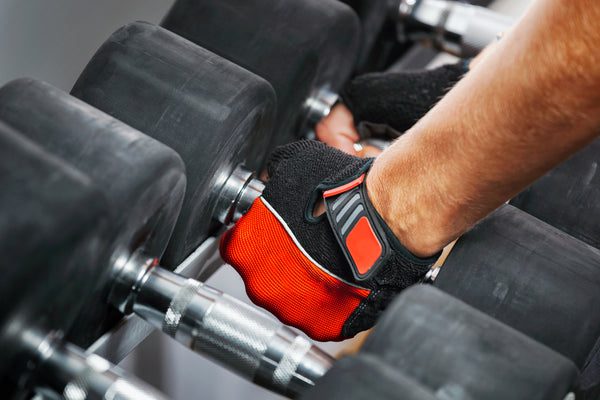
When you train with barbells and dumbbells, the knurled bars rub against your palms. Over time the skin hardens into calluses, which can peel, crack and become painful — and they are noticeable every time you shake someone’s hand. Training gloves add a layer of padding between your skin and the bar, reduce friction, and improve your grip when your palms get sweaty. Alternatives include lifting grips and chalk (where the gym allows it). Gloves are the cheapest item on this list and the one most beginners use from day one. Wash them regularly — gloves that live in a gym bag collect bacteria and smell quickly.
2. Weightlifting belt
As weights get heavy on full-body lifts like squats, deadlifts and overhead presses, your lower back needs support. A weightlifting belt works by giving your abdominal muscles something to brace against, which increases pressure inside your trunk and stiffens your spine during a heavy lift. Used properly, it is a genuine aid on top sets. Used badly, it becomes a crutch. Follow these rules:
- Learn to brace properly without a belt first — the belt amplifies good technique; it does not replace it.
- Reserve the belt for your heaviest sets of big compound lifts, not for curls or machine work.
- Wear it tight around the waist, positioned so it does not dig into your ribs or hips when you set up.
- Basic belts are inexpensive compared with the cost of treating a back injury, but your money is wasted if your form is poor — coaching comes first.
3. Wrist wraps and lifting straps — know the difference
These two are often confused. Wrist wraps wrap tightly around the wrist joint itself and support it during pressing movements like bench press and overhead press, keeping the wrist from bending back under load. Lifting straps loop around the bar and your wrist to help your grip hold on during heavy pulling movements like deadlifts and rows, when your grip gives out before your back and legs do. Heavy weights lifted with incorrect form injure joints — wraps and straps can help in their specific roles, but neither fixes bad technique, and straps should not be used on every set or your natural grip strength will never develop.
4. Knee sleeves
Knee sleeves are thick neoprene sleeves that keep the knee joint warm and give a sense of compression and stability during squats and lunges. Many lifters find squats feel more comfortable and confident in sleeves. Note what they are not: sleeves do not fix knee pain, and they are not a medical support. If your knees hurt when you train, reduce the load and get the pain assessed rather than sleeving up and pushing through.
5. The right shoes
Shoes are protection gear too. For lifting, a flat, hard-soled shoe (or a dedicated lifting shoe with a raised heel for squats) gives you a stable base — soft, cushioned running shoes compress under load and make heavy lifts wobble. For running and cardio, use proper cushioned running shoes instead. Training everything in one soft pair of trainers is one of the most common beginner mistakes. If you are just starting out, our evidence-based fitness guide for beginners covers footwear and the other basics in order.
6. Chalk and lifting grips
If your gym allows it, ordinary lifting chalk is the cheapest grip protection there is: it absorbs sweat, dramatically improves your hold on bars and dumbbells, and stops the bar tearing at your palms during deadlifts and rows. Liquid chalk gives most of the benefit with none of the mess, and many commercial gyms that ban powder chalk allow it. Padded lifting grips — straps with a palm pad that folds over the bar — sit between gloves and straps: they protect the skin, help grip, and are quick to set up between sets. Whichever you choose, better grip is also a safety issue, not just comfort: a bar that slips mid-set is a genuine hazard.
7. The unglamorous essentials: towel, bottle, lock and bag
Protection is not only about joints. A small gym towel protects your skin from shared benches and machines (and protects other members from you), and wiping equipment down after use is basic gym hygiene that reduces skin infections. A water bottle you actually carry between stations helps you drink regularly through the session rather than finishing dehydrated. A simple padlock keeps your phone, wallet and keys secure so you are not training distracted. None of this is expensive, and together it prevents the small problems — infections, dehydration headaches, lost property — that quietly derail people’s routines.
A note on buying in India: all of this gear is widely available online and in sports stores, from basic budget versions to premium brands. For gloves, wraps, sleeves and belts, the basic versions from a reputable sports brand are genuinely good enough for almost everyone; spend your money on fit and correct size rather than logos. A belt should be tried for size around your waist at navel level, knee sleeves are sized by the circumference of your leg just below the knee, and gloves should be snug without cutting circulation. Buying the right size of a basic item beats buying the wrong size of an expensive one, every time.
What should a beginner buy first?
You do not need everything at once. A sensible order:
- Shoes first — the right pair for the training you actually do.
- Gloves or grips — cheap, used every session.
- Wrist wraps — once pressing weights start to feel heavy on your wrists.
- A belt — only when your squats and deadlifts become genuinely heavy and your bracing technique is solid.
- Knee sleeves and straps — as specific needs appear, not before.
Before buying anything, make sure your programme itself is sound — this roundup of the best exercises for beginners is a good starting point, and if you are new to gyms entirely, read our guide on whether it is safe to go to the gym and how to start confidently.
Gear protects you — technique protects you more
One honest warning to finish: no belt, wrap or glove makes a dangerous lift safe. MedlinePlus guidance on sports injuries stresses warming up properly, using correct technique, progressing loads gradually and stopping when something hurts. The biggest risk in the gym is not missing equipment — it is ego: adding weight before your body and form are ready, which can put you out of action for weeks or months. Invest in the gear that matches your training, invest even more in learning to lift well, and you will protect both your progress and your body. Protect yourself at all costs — but let technique do the heavy lifting.
Sources
- MedlinePlus — Sports Injuries (prevention: warm-up, technique, gradual progression)
- MedlinePlus — Exercise and Physical Fitness
- American Council on Exercise — ACE Fitness (lifting technique and equipment guidance)
Related guides
By the FitNTip Editorial Team · Last updated: 16 October 2026
How FitNTip builds its guides: our articles are compiled from official public sources — including the Indian Food Composition Tables (ICMR–National Institute of Nutrition), USDA FoodData Central and the WHO healthy diet guidance — and reviewed against them when updated.
This article is educational and is not medical advice. If you have a medical condition, are pregnant, or plan a major change in diet or training, talk to your doctor first.
This article is for informational and educational purposes only. It does not constitute medical advice, diagnosis, or treatment. The information presented is researched from trusted sources including peer-reviewed scientific journals, CDC, NIH, WHO, and recognized health organizations. Always consult a qualified healthcare professional before making any changes to your diet, exercise routine, or health regimen.