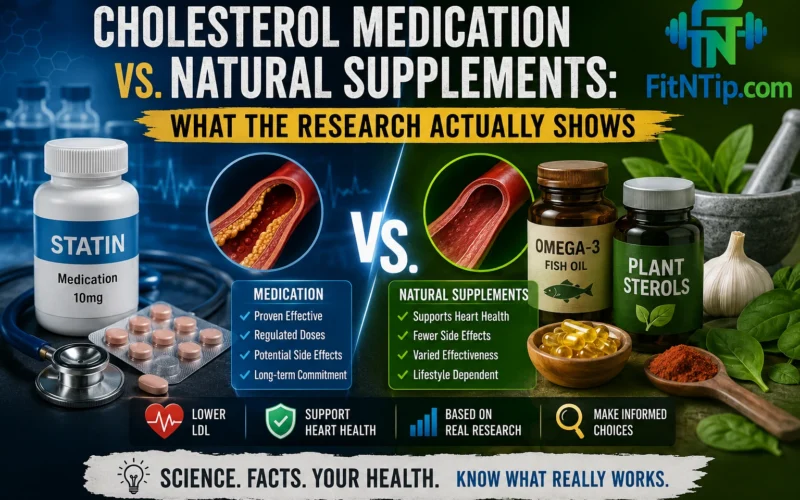
Cholesterol Medication vs. Natural Supplements: What the Research Actually Shows

❤️Heart Health Guide
Evidence-based information you can trust
Nearly 40% of American adults live with high cholesterol, a silent condition that quietly accelerates plaque buildup in arteries and raises the risk of heart attack and stroke. For decades, the medical community has relied on pharmaceutical interventions — primarily statins — to push LDL cholesterol numbers down and protect cardiovascular health. But in recent years, a growing wave of consumers has turned to natural supplements like red yeast rice, plant sterols, and omega-3 fatty acids, searching for a “safer” or more “natural” alternative.
The question that keeps surfacing in cardiology clinics and online health forums alike is deceptively simple: cholesterol medication vs natural supplements, which works? Does the evidence favor one approach over the other? The answer, as it turns out, is far more nuanced than either camp wants to admit, and understanding the science behind each option can mean the difference between making an informed health decision and gambling with your heart.
The field of cardiology has spent decades studying how different interventions affect cholesterol levels and, more importantly, how those changes translate into real-world outcomes like fewer heart attacks, fewer strokes, and longer lives. Research published in major medical journals consistently demonstrates that prescription cholesterol medications — particularly statins — reduce the risk of major cardiovascular events by 25% to 35% in people with elevated LDL cholesterol. These numbers come from large-scale, randomized controlled trials involving tens of thousands of participants, the gold standard of medical evidence.
The American Heart Association and the American College of Cardiology both endorse statins as first-line therapy for individuals at elevated cardiovascular risk, citing decades of data showing clear mortality benefits. But here’s where the conversation gets complicated: statins come with side effects that affect a meaningful percentage of users, including muscle pain, digestive issues, and, in rare cases, increased blood sugar levels. It’s precisely these side effects that drive many people to explore natural alternatives, often without fully understanding what the evidence actually says about those options.
Natural supplements occupy a fundamentally different space in the regulatory and scientific landscape. Unlike prescription medications, dietary supplements in the United States are not required to undergo rigorous clinical trials proving safety and efficacy before reaching store shelves. The FDA regulates supplements under a different framework than drugs, meaning the bottle of red yeast rice sitting on your pharmacy shelf may contain wildly inconsistent amounts of active compounds — or none at all.
This regulatory gap creates a real problem for consumers trying to make evidence-based choices. Some supplements do show modest cholesterol-lowering effects in clinical studies, but the magnitude of those effects, the consistency of the products, and the long-term safety data all fall short of what prescription medications offer. When researchers directly compare the two categories, the disparity in evidence quality becomes impossible to ignore.
Also Read- Also Read-The Real Benefits of Multivitamins (and How to Pick One Worth Taking)
What Prescription Cholesterol Medications Actually Do
Prescription cholesterol medications work through well-understood biological mechanisms that have been studied extensively in cardiology research. Statins, the most widely prescribed class, block an enzyme in the liver called HMG-CoA reductase, which plays a central role in the body’s cholesterol production pathway. By inhibiting this enzyme, statins reduce the liver’s ability to manufacture cholesterol, which in turn forces the liver to pull more LDL cholesterol out of the bloodstream.
The result is a measurable and typically substantial reduction in LDL levels — often 30% to 50% depending on the specific drug and dosage. But the benefits of statins extend beyond simple cholesterol reduction. Research published in major cardiology journals suggests that statins also stabilize existing arterial plaques, reduce inflammation in blood vessel walls, and improve the function of the endothelium, the thin membrane lining the inside of the heart and blood vessels.
These pleiotropic effects — benefits beyond the primary mechanism — help explain why statins reduce cardiovascular events even in patients whose cholesterol levels aren’t dramatically elevated to begin with.
Beyond statins, several other prescription options target cholesterol through different pathways. Ezetimibe works by blocking cholesterol absorption in the small intestine, typically lowering LDL by an additional 15% to 20% when added to a statin regimen. PCSK9 inhibitors, a newer class of injectable medications, can reduce LDL cholesterol by 50% to 60% and are reserved for patients with familial hypercholesterolemia or those who cannot tolerate statins.
Bile acid sequestrants and fibrates round out the pharmaceutical toolkit, each with its own mechanism, efficacy profile, and side effect considerations. What unites all of these prescription options is the requirement to demonstrate safety and efficacy through phased clinical trials before reaching the market — a process that typically takes years and involves thousands of participants. This regulatory rigor means that when your doctor prescribes a statin or another cholesterol-lowering drug, the expected benefits and potential risks are well-characterized and quantifiable.
The Reality Behind Natural Cholesterol Supplements
The natural supplement market for cholesterol management has exploded into a multi-billion-dollar industry, fueled by consumer desire for gentler, more “natural” health solutions. Red yeast rice, one of the most popular options, contains monacolin K — a compound chemically identical to the active ingredient in the prescription statin lovastatin. This fact alone explains why red yeast rice can produce measurable LDL reductions in some users.
But here’s the critical problem: because red yeast rice is sold as a supplement rather than a drug, there is no standardization of monacolin K content between brands, or even between batches of the same brand. Clinical reviews suggest that monacolin K levels in commercial red yeast rice products vary by more than 100-fold, meaning consumers have no reliable way to know what dose they’re actually taking. Some products contained virtually none of the active compound, while others contained amounts comparable to a low-dose prescription statin — without the accompanying medical monitoring.
Plant sterols and stanols represent another category with genuine, though modest, evidence behind them. These naturally occurring compounds, found in small amounts in fruits, vegetables, nuts, and seeds, structurally resemble cholesterol and compete with it for absorption in the intestines. Research published in major nutrition and cardiology journals indicates that consuming 2 grams per day of plant sterols can reduce LDL cholesterol by approximately 8% to 10% — a real but relatively small effect compared to prescription options.
Omega-3 fatty acids, widely available as fish oil supplements, primarily target triglyceride levels rather than LDL cholesterol, and their cardiovascular benefits remain a subject of ongoing debate in the research community. Soluble fiber supplements like psyllium husk can modestly lower LDL by binding to cholesterol in the digestive system, but again, the effect size is limited. The pattern across nearly all natural supplements is the same: some evidence of benefit, but at a magnitude that typically falls well short of what prescription medications achieve, with far less consistency in product quality and far less data on long-term cardiovascular outcomes.
| Comparison Factor | Prescription Medications | Natural Supplements |
|---|---|---|
| Average LDL Reduction | 30%–60% (drug-dependent) | 5%–15% (supplement-dependent) |
| Evidence Quality | Large RCTs, decades of data | Smaller studies, mixed results |
| Regulatory Oversight | FDA-approved, batch-tested | FDA-monitored, not pre-approved |
| Product Consistency | Standardized dosing | Highly variable between brands |
| Long-Term Outcome Data | Extensive (heart attack, stroke, mortality) | Very limited |
| Side Effect Profile | Well-characterized, monitored | Often underreported, less studied |
| Cost | Often covered by insurance | Out-of-pocket, variable pricing |
Why the Cholesterol Medication vs. Natural Supplements Debate Matters Now
The conversation around cholesterol management has shifted dramatically over the past decade. What was once a straightforward medical directive — take your statin, lower your LDL, reduce your heart attack risk — has evolved into a sprawling, often confusing debate between pharmaceutical intervention and natural alternatives. Millions of Americans now stand at this crossroads, trying to decide whether prescription medications or over-the-counter supplements offer the safer, more effective path to cardiovascular health.
The stakes could not be higher. Heart disease remains the leading cause of death globally, claiming nearly 18 million lives annually according to the World Health Organization, with elevated cholesterol serving as one of the most significant modifiable risk factors. This isn’t a niche health question — it’s a mainstream medical decision that affects an estimated 94 million American adults with total cholesterol levels above 200 mg/dL, according to the Centers for Disease Control and Prevention.
The tension between these two approaches has intensified for several converging reasons. First, the supplement industry has exploded into a $150 billion market in the United States alone, flooding shelves with products promising cholesterol reduction without a prescription. Second, a growing movement toward “natural” health solutions has led many consumers to question whether pharmaceutical drugs are overprescribed or carry unacceptable side effects.
Third, the COVID-19 pandemic heightened awareness of cardiovascular health, as research published in major medical journals established that individuals with pre-existing heart conditions and elevated cholesterol faced significantly worse outcomes from the virus. People are paying attention to their heart health like never before, and they want options that align with their values, budgets, and tolerance for pharmaceutical intervention.
How Prescription Cholesterol Medications Work at the Biological Level
To understand why prescription medications produce such dramatic cholesterol reductions, you need to understand what’s happening inside your liver. Your body produces roughly 80% of its own cholesterol through a complex metabolic pathway called the mevalonate pathway, with the liver serving as the primary manufacturing plant. The remaining 20% comes from dietary sources — animal products like meat, eggs, and dairy.
Statins, the most commonly prescribed class of cholesterol-lowering drugs, work by inhibiting an enzyme called HMG-CoA reductase, which acts as the rate-limiting step in cholesterol synthesis. Think of this enzyme as the “on switch” for cholesterol production. When statins block this switch, the liver dramatically reduces its internal cholesterol output, forcing it to pull more LDL cholesterol out of the bloodstream to meet its needs.
This dual mechanism — less production plus increased clearance — is why statins can lower LDL cholesterol by 30% to 60% or more, depending on the specific drug and dosage.
The biological sophistication of statins extends beyond simple cholesterol reduction. Research in the field of Cardiology has revealed that these medications also stabilize arterial plaques, reduce inflammation within blood vessel walls, and improve endothelial function — the ability of arteries to dilate and contract properly. A landmark study suggests that statin therapy reduced levels of C-reactive protein, a key inflammatory marker, independently of its cholesterol-lowering effects.
This anti-inflammatory action helps explain why statins reduce heart attack and stroke risk beyond what their LDL-lowering numbers alone would predict. The drug doesn’t just lower a number on a lab report — it changes the biological environment inside your arteries in ways that make catastrophic cardiovascular events less likely.
Beyond statins, other prescription medications target cholesterol through entirely different mechanisms. Ezetimibe works in the small intestine by blocking the NPC1L1 protein, which is responsible for absorbing cholesterol from food and bile. This reduces the amount of cholesterol delivered to the liver from the digestive tract, complementing the liver-focused action of statins.
PCSK9 inhibitors, a newer class of injectable medications, work by preventing the destruction of LDL receptors on liver cells. More receptors on the liver surface means more LDL cholesterol gets cleared from the blood, producing LDL reductions of 50% to 70% even in patients who don’t respond adequately to statins alone. Bile acid sequestrants bind to bile acids in the intestine, preventing their reabsorption and forcing the liver to use more cholesterol to produce new bile acids.
Each of these medications has a specific biological target, and they can be combined for additive effects when single-agent therapy isn’t sufficient.
The Liver’s Central Role in Cholesterol Management
Understanding why the liver is the primary target for cholesterol-lowering therapy requires grasping a fundamental concept in human physiology. The liver doesn’t just produce cholesterol — it also clears LDL particles from the bloodstream through specialized receptors called LDL receptors. When liver cells detect low internal cholesterol levels (as happens with statin use), they respond by increasing the number of LDL receptors on their surface, essentially opening more “gates” for cholesterol removal from the blood.
This feedback loop is the body’s natural regulatory mechanism, and prescription medications hijack this system to achieve therapeutic LDL reductions. The liver processes approximately 1 to 1.5 grams of cholesterol daily through synthesis and clearance combined, which is why even modest inhibition of production can produce significant drops in circulating LDL levels. Natural supplements, by contrast, typically work through less potent mechanisms — competing for absorption, binding cholesterol in the gut, or providing mild inhibition of the same pathways — but without the pharmaceutical precision or magnitude of effect.
How Natural Supplements Claim to Lower Cholesterol
The natural supplement market offers a dizzying array of products marketed for cholesterol management, each claiming a unique mechanism of action. Red yeast rice stands out as the most pharmacologically interesting option because it contains monacolin K, a compound chemically identical to the active ingredient in the prescription statin lovastatin. This fact alone explains why red yeast rice can produce measurable LDL reductions in some users.
But here’s the critical problem: because red yeast rice is sold as a supplement rather than a drug, there is no standardization of monacolin K content between brands, or even between batches of the same brand. Clinical testing suggests that monacolin K levels in commercial red yeast rice products vary by more than 100-fold, meaning consumers have no reliable way to know what dose they’re actually taking. Some products contained virtually none of the active compound, while others contained amounts comparable to a low-dose prescription statin — without the accompanying medical monitoring.
Plant sterols and stanols represent another category with genuine, though modest, evidence behind them. These naturally occurring compounds, found in small amounts in fruits, vegetables, nuts, and seeds, structurally resemble cholesterol and compete with it for absorption in the intestines. When you consume plant sterols, they essentially “crowd out” cholesterol at the absorption sites in your digestive tract, reducing the amount that enters your bloodstream.
Research published in major nutrition and cardiology journals indicates that consuming 2 grams per day of plant sterols can reduce LDL cholesterol by approximately 8% to 10% — a real but relatively small effect compared to prescription options. Omega-3 fatty acids, widely available as fish oil supplements, primarily target triglyceride levels rather than LDL cholesterol, and their cardiovascular benefits remain a subject of ongoing debate in the research community. Soluble fiber supplements like psyllium husk can modestly lower LDL by binding to cholesterol in the digestive system, but again, the effect size is limited.
The pattern across nearly all natural supplements is the same: some evidence of benefit, but at a magnitude that typically falls well short of what prescription medications achieve, with far less consistency in product quality and far less data on long-term cardiovascular outcomes.
Why Natural Doesn’t Automatically Mean Safer or More Effective
One of the most persistent misconceptions in the cholesterol management space is the assumption that “natural” products carry fewer risks than prescription medications. This belief ignores a fundamental principle of pharmacology: the dose makes the poison. Water is natural, but drinking too much can be fatal.
Arsenic is natural, but it’s also deadly. The safety of any substance — whether derived from a plant or synthesized in a laboratory — depends on its dose, purity, interactions with other substances, and the individual taking it. Red yeast rice, for example, contains the same active compound as lovastatin, which means it carries the same potential side effects: muscle pain, liver enzyme elevations, and in rare cases, rhabdomyolysis.
The critical difference is that prescription statins come with standardized dosing, quality control, and medical monitoring, while red yeast rice supplements offer none of these safeguards. You might be taking a statin-like dose without knowing it, and without anyone checking your liver enzymes or monitoring for muscle symptoms.
The regulatory framework surrounding supplements creates additional safety concerns. Under the Dietary Supplement Health and Education Act of 1994, supplements are regulated as food, not drugs. This means manufacturers don’t need to prove their products are safe or effective before selling them.
The FDA can only take action against a supplement after it’s been shown to be harmful — a reactive rather than proactive approach. Product testing suggests that adulteration and contamination of cholesterol-lowering supplements is not uncommon, with some products containing undeclared pharmaceutical ingredients or heavy metals. This regulatory gap means that consumers relying on supplements for cholesterol management are essentially conducting an uncontrolled experiment on themselves, often without their doctor’s knowledge.
Key Populations and Scenarios Where This Decision Matters
The choice between prescription medication and natural supplements isn’t one-size-fits-all — it depends heavily on your individual risk profile, medical history, and personal circumstances. Statin-intolerant patients represent one of the most important groups in this conversation. Research published in the European Heart Journal suggests that 5% to 10% of statin users experience muscle-related symptoms severe enough to discontinue therapy, though some studies using blinded protocols suggest the true rate may be lower due to the nocebo effect — negative expectations causing perceived side effects.
For these individuals, supplements may serve as a bridge or alternative, provided they understand the limitations in efficacy. Similarly, patients with borderline cholesterol levels — LDL between 130 and 160 mg/dL without other major risk factors — may reasonably attempt a period of lifestyle modification and supplement use before committing to lifelong pharmaceutical therapy, though this decision should be made collaboratively with a healthcare provider.
Age and life stage also factor into this decision. Younger adults in their 30s and 40s with elevated cholesterol but otherwise low cardiovascular risk may have more flexibility to explore non-pharmaceutical approaches, particularly if they’re motivated to make aggressive dietary and exercise changes. Older adults, particularly those over 65 with established cardiovascular disease or multiple risk factors like diabetes, hypertension, and smoking history, generally benefit most from the proven protection of prescription statins.
The 2018 AHA/ACC Cholesterol Clinical Practice Guidelines emphasize that the absolute benefit of LDL reduction is greatest in patients at highest baseline risk — meaning that for someone with existing heart disease, the 30% to 50% LDL reduction achievable with statins translates into a much larger real-world reduction in heart attack and stroke risk than the 5% to 15% reduction typical of supplements. Pregnant women and those planning pregnancy face additional considerations, as statins are contraindicated during pregnancy, making supplement discussions particularly relevant in this population — though again, under medical guidance.
Understanding Your Cardiovascular Risk Profile
Before deciding between medication and supplements, you need to understand how doctors assess your cardiovascular risk. The ASCVD Risk Calculator, endorsed by the American College of Cardiology and the American Heart Association, estimates your 10-year risk of having a heart attack or stroke based on factors including age, sex, race, total cholesterol, HDL cholesterol, systolic blood pressure, diabetes status, and smoking history. This number drives treatment recommendations.
If your 10-year risk exceeds 7.5%, guidelines generally recommend statin therapy regardless of your LDL level alone. If your risk falls between 5% and 7.5%, statins may be considered based on additional factors. Below 5%, lifestyle modification is typically the first-line approach.
This framework helps explain why two people with identical LDL levels might receive entirely different treatment recommendations — context matters as much as the number itself.
How to Apply This: Assessing Your Starting Point
Before exploring either medication or supplements, take these concrete steps to establish your baseline. First, get a complete lipid panel that includes total cholesterol, LDL cholesterol, HDL cholesterol, and triglycerides — ideally after a 9 to 12 hour fast for the most accurate triglyceride measurement. Second, calculate your ASCVD risk score using the ACC/AHA online calculator or ask your doctor to do so during your next visit.
Third, identify your other risk factors: family history of premature heart disease, blood pressure status, diabetes or prediabetes, smoking history, and physical activity level. Fourth, document any previous experiences with cholesterol medications — side effects, effectiveness, and reasons for discontinuation if applicable. This information creates the foundation for every decision that follows.
Without it, you’re navigating the medication vs. supplement debate blindfolded, making choices based on marketing claims rather than personalized medical evidence.
When Prescription Medications Are the Clear Choice: Clinical Scenarios
In the field of Cardiology, certain patient profiles leave little room for debate about whether prescription medication should be the primary intervention. If you’ve already experienced a cardiovascular event — a heart attack, stroke, or procedure like stent placement or bypass surgery — statin therapy isn’t optional. It’s secondary prevention, and the evidence supporting it is among the strongest in all of medicine.
The Cholesterol Treatment Trialists’ Collaboration, analyzing data from over 170,000 participants across multiple randomized trials, found that every 1 mmol/L (roughly 39 mg/dL) reduction in LDL cholesterol reduced the risk of major vascular events by approximately 22%, regardless of baseline risk. For someone who has already had a heart attack, high-intensity statins reduce the risk of a second event by 30% to 40% over five to seven years. No natural supplement comes close to replicating this level of proven protection.
For patients with familial hypercholesterolemia — a genetic condition affecting approximately 1 in 250 people worldwide — LDL levels often exceed 190 mg/dL from birth, and lifestyle changes alone rarely bring these numbers into a safe range. The American Heart Association and the European Society of Cardiology both recommend immediate statin initiation for adults with this condition, often starting with high-intensity atorvastatin (40-80 mg) or rosuvastatin (20-40 mg). In these cases, natural supplements might serve as an adjunct, but relying on them as a primary strategy would be medically irresponsible given the accelerated atherosclerosis risk these patients face. The same applies to individuals with diabetes over age 40, those with calculated 10-year ASCVD risk exceeding 10%, and anyone with documented coronary artery calcium scores indicating significant plaque burden.
Where Natural Supplements Fit: Practical Applications and Realistic Expectations
Natural supplements occupy a legitimate but narrower space in cholesterol management than marketing suggests. They’re most appropriate for individuals with mildly to moderately elevated LDL cholesterol — typically in the 130 to 160 mg/dL range — who have low to moderate cardiovascular risk and no established heart disease. This group often includes younger adults (under 50) who discover elevated cholesterol during routine screening and want to avoid long-term medication if possible. For these individuals, a 3 to 6 month trial of aggressive lifestyle modification combined with evidence-supported supplements can be a reasonable first step, provided they commit to follow-up lipid panels to verify effectiveness.
Red yeast rice stands out as the most pharmacologically active supplement because it naturally contains monacolin K, which is chemically identical to lovastatin. This means it can produce LDL reductions in the 15% to 25% range at doses of 1,200 to 2,400 mg daily, though potency varies dramatically between products. A study suggests that red yeast rice reduced LDL cholesterol by an average of 22% in participants who had discontinued statins due to muscle pain — a finding that underscores both its potential and its risk profile, since it can cause the same side effects as prescription statins.
Plant sterols and stanols, taken at 2 grams daily through fortified foods or supplements, reduce LDL by approximately 5% to 15% by blocking intestinal cholesterol absorption. Bergamot polyphenolic extract has shown LDL reductions of 15% to 30% in small Italian studies, though larger confirmatory trials are still needed.
How to Apply This: A Step-by-Step Supplement Protocol
If you and your healthcare provider decide to try a natural supplement approach, follow this structured protocol to maximize your chances of success. Step one: Start with one supplement at a time rather than stacking multiple products simultaneously. This allows you to identify which agent is working and which might be causing side effects.
Step two: Choose products that have undergone third-party testing by organizations like USP, NSF International, or ConsumerLab — this is non-negotiable because supplement potency varies wildly between brands. Step three: Take supplements with meals that contain some fat, since many cholesterol-lowering compounds (plant sterols, bergamot, red yeast rice) are fat-soluble and require dietary fat for optimal absorption. Step four: Recheck your lipid panel after 8 to 12 weeks — this is the minimum time needed to see the full effect.
If LDL hasn’t dropped by at least 10% from baseline, the supplement isn’t working well enough for you, and it’s time to discuss other options with your doctor. Step five: Don’t abandon lifestyle changes while taking supplements. The combination of Mediterranean diet principles, 150 minutes of moderate exercise weekly, and targeted supplementation produces results that none of these interventions can achieve alone.
Combining Approaches: The Integrative Strategy Many Cardiologists Now Recommend
The most practical real-world approach for many patients isn’t choosing between medication and supplements — it’s using them strategically together. This integrative model has gained significant traction in preventive Cardiology over the past decade, particularly for patients who experience statin-associated muscle symptoms, which affect an estimated 5% to 10% of statin users in clinical practice (though real-world surveys suggest the number may be higher). For these individuals, a lower-dose statin combined with ezetimibe (which reduces cholesterol absorption by about 18% to 25%) and a targeted supplement can achieve meaningful LDL reduction while minimizing side effects. The IMPROVE-IT trial, conducted across 1,159 centers in 39 countries and published in the New England Journal of Medicine, demonstrated that adding ezetimibe to simvastatin reduced cardiovascular events by an additional 6.4% compared to simvastatin alone — proof that combination therapy produces real clinical benefits beyond what either agent achieves independently.
For patients who cannot tolerate any dose of statin — a smaller group than often portrayed, but a real one — the combination of ezetimibe, bempedoic acid (which lowers LDL by approximately 15% to 25% and was approved by the FDA in 2020 based on the CLEAR Outcomes trial), and natural supplements can provide a viable alternative pathway. The CLEAR Outcomes trial, conducted by researchers at the Cleveland Clinic and published in the New England Journal of Medicine, showed that bempedoic acid reduced the composite risk of cardiovascular death, heart attack, stroke, or coronary revascularization by 13% in statin-intolerant patients. This is a game-changer for the medication vs. supplement debate because it provides a non-statin pharmaceutical option that bridges the gap between statins and supplements in terms of both efficacy and tolerability.
Common Implementation Mistakes and How to Optimize Your Approach
The biggest mistake people make with cholesterol management — whether using medication or supplements — is treating it as a set-it-and-forget-it decision. Cholesterol management requires ongoing monitoring, periodic reassessment, and willingness to adjust the approach as your risk profile changes. A 45-year-old with an LDL of 145 mg/dL and no other risk factors might reasonably start with lifestyle changes and supplements.
That same person at age 55, with a new diagnosis of hypertension and a coronary calcium score above 100, has a fundamentally different risk calculation that likely warrants medication. Failing to reassess is how people fall through the cracks.
Another widespread error is the “natural equals safe” assumption. Red yeast rice can cause the same muscle pain, liver enzyme elevations, and rare rhabdomyolysis risk as prescription statins because it contains the same active compound. Niacin, once widely recommended for cholesterol management, was shown in the AIM-HIGH trial (conducted by researchers at the Boston University School of Medicine) and the HPS2-THRIVE trial (conducted by the University of Oxford) to provide no cardiovascular benefit when added to statin therapy, while significantly increasing side effects including flushing, gastrointestinal distress, and new-onset diabetes.
Garlic supplements can increase bleeding risk, particularly when combined with anticoagulants. Fish oil at high doses (4 grams daily) can increase the risk of atrial fibrillation, as shown in a 2021 meta-analysis published in the European Heart Journal. Every intervention carries a risk-benefit profile, and “natural” doesn’t exempt a substance from that reality.
Optimization Framework: Getting the Best Results from Either Path
Whether you’re on a statin, taking supplements, or combining both, these optimization principles apply universally. Track your numbers consistently — get a lipid panel every 3 to 6 months when starting or changing a regimen, then every 6 to 12 months once stable. Monitor for side effects proactively — if you’re on a statin, check baseline liver enzymes and creatine kinase, then recheck if symptoms develop.
If you’re taking red yeast rice, apply the same monitoring standards you’d use for a prescription statin. Address the full lipid picture — LDL matters most, but triglycerides above 150 mg/dL, low HDL below 40 mg/dL in men or 50 mg/dL in women, and elevated lipoprotein(a) all contribute to residual cardiovascular risk that neither statins nor most supplements fully address. Don’t neglect the fundamentals — smoking cessation alone reduces cardiovascular risk by 50% within one year.
Regular exercise improves HDL function and reduces triglycerides independently of LDL changes. Weight loss of just 5% to 10% of body weight can improve all lipid parameters. These lifestyle interventions amplify whatever pharmaceutical or supplemental approach you choose, and they’re the one area where the evidence is truly unanimous across every major Cardiology organization worldwide.
| Scenario | Recommended Approach | Expected LDL Reduction | Monitoring Frequency |
|---|---|---|---|
| Established cardiovascular disease | High-intensity statin ± ezetimibe | 50%–65% | Every 3–6 months |
| Familial hypercholesterolemia | High-intensity statin + ezetimibe ± PCSK9 inhibitor | 60%–85% | Every 3 months initially |
| Statin-intolerant, moderate risk | Bempedoic acid + ezetimibe ± supplements | 30%–45% | Every 3–6 months |
| Low risk, mildly elevated LDL | Lifestyle + supplements (3–6 month trial) | 10%–25% | At 8–12 weeks, then every 6 months |
| Diabetes, age 40–75, LDL 70–189 | At least moderate-intensity statin | 30%–50% | Every 6–12 months |
Natural supplements occupy a legitimate but limited role for lower-risk individuals who prefer a conservative initial approach or who need adjunct support alongside lower medication doses. The smartest strategy isn’t picking a side — it’s understanding where you fall on that risk spectrum, choosing the intervention with evidence appropriate to your situation, and committing to the monitoring that ensures your approach is actually working.
Conclusion: What the Cardiology Research Actually Tells Us
The evidence from decades of Cardiology research paints a clear picture when you look at the totality of data. Prescription cholesterol medications, particularly statins, have undergone the most rigorous testing in medical history — large-scale randomized controlled trials involving hundreds of thousands of participants across multiple continents, conducted by institutions including the National Heart, Lung, and Blood Institute and the European Society of Cardiology. These studies consistently demonstrate that statins reduce major cardiovascular events by 25% to 35% and lower mortality in high-risk populations.
The Cholesterol Treatment Trialists’ Collaboration, which analyzed data from over 170,000 participants across 26 trials, found that every 1 mmol/L (38.7 mg/dL) reduction in LDL cholesterol reduced the risk of major vascular events by approximately 22%. This is outcome data — not just numbers on a lab report, but actual reductions in heart attacks, strokes, and deaths.
Natural supplements, by contrast, operate in a fundamentally different evidence landscape. While some — like plant sterols, soluble fiber, and bergamot — show modest LDL-lowering effects in controlled studies, the reductions typically range from 5% to 15%, and critically, most lack the large-scale cardiovascular outcome trials that establish whether those lipid changes actually translate into fewer heart attacks. The National Center for Complementary and Integrative Health acknowledges that while certain supplements show promise for lipid management, the evidence base remains limited compared to prescription options. Red yeast rice, which naturally contains monacolin K (chemically identical to lovastatin), does lower LDL by 15% to 25% according to research published in major Cardiology journals, but it carries the same potential side effects as statin medication without the same quality control or dosing consistency.
The practical takeaway from all this research isn’t that one approach is universally superior — it’s that the right choice depends entirely on your cardiovascular risk profile, your tolerance for medication, and your willingness to commit to monitoring. For anyone with established heart disease, diabetes with elevated LDL, or a 10-year cardiovascular risk above 7.5%, the Cardiology guidelines from the American Heart Association and European Society of Cardiology are unambiguous: prescription medication with proven outcome data should form the foundation of treatment. For lower-risk individuals with mildly elevated LDL, a carefully monitored trial of lifestyle changes and evidence-backed supplements represents a reasonable starting point — provided you recheck levels within 8 to 12 weeks and escalate to medication if targets aren’t met. The danger lies in letting ideology drive the decision rather than evidence.
When to See a Doctor
If you have a personal history of heart attack, stroke, stent placement, or bypass surgery, do not attempt to manage your cholesterol with supplements alone — the risk of a recurrent event is too high to gamble on interventions with limited outcome data. Similarly, if you have been diagnosed with familial hypercholesterolemia, diabetes with LDL above 100 mg/dL, or your 10-year ASCVD risk score exceeds 7.5%, you need a physician-supervised treatment plan that almost certainly includes prescription medication. Unexplained muscle pain, dark urine, or liver enzyme elevations while taking any cholesterol-lowering agent — pharmaceutical or supplemental — warrant immediate medical evaluation.
Frequently Asked Questions
Can I stop taking my statin and switch to natural supplements instead?
You should never discontinue a prescribed statin without consulting your physician first. The decision to switch depends entirely on your cardiovascular risk level. If you have established heart disease or have had a previous cardiac event, stopping a statin in favor of supplements alone significantly increases your risk of another event.
Research from the American College of Cardiology shows that statin discontinuation in high-risk patients is associated with a 25% to 30% increase in major adverse cardiovascular events within months. For lower-risk individuals who started a statin for primary prevention, a carefully monitored transition to supplements combined with aggressive lifestyle changes may be reasonable — but only under medical supervision with repeat lipid panels at 8 to 12 weeks to confirm the new approach is working.
How long does it take for natural cholesterol supplements to show results?
Most natural cholesterol-lowering supplements require 4 to 12 weeks of consistent daily use before meaningful changes appear on a lipid panel. Plant sterols and stanols typically show measurable LDL reductions within 2 to 3 weeks, but the full effect stabilizes around 6 to 8 weeks. Red yeast rice and bergamot polyphenols generally need 8 to 12 weeks to demonstrate their maximum lipid-lowering potential.
This timeline is similar to statins, which also take 4 to 6 weeks to reach full effectiveness. The critical point is that you should not wait longer than 12 weeks to recheck your lipids when starting any new supplement — if you haven’t seen at least a 10% to 15% reduction in LDL by that point, the supplement alone is unlikely to be sufficient for your situation.
Are natural cholesterol supplements safe to take alongside prescription statins?
Some supplements can be safely combined with statins, but others carry significant interaction risks. Plant sterols and soluble fiber supplements like psyllium are generally considered safe to add to statin therapy and may provide an additional 5% to 10% LDL reduction through different mechanisms. However, red yeast rice should never be combined with a statin because it contains the same active compound and effectively doubles your statin exposure, dramatically increasing the risk of muscle damage and liver injury.
Coenzyme Q10 is sometimes recommended alongside statins to address statin-associated muscle symptoms, though research from the Cleveland Clinic suggests the benefit is modest. Always disclose every supplement to your prescribing physician — natural does not automatically mean safe in combination.
Which natural supplement has the strongest evidence for lowering cholesterol?
Among all natural cholesterol supplements, plant sterols and stanols have the most robust evidence base. The FDA has authorized a health claim for plant sterols, and research reviewed by the European Food Safety Authority confirms they can reduce LDL cholesterol by 7% to 10% when taken at the recommended dose of 2 grams per day. Psyllium husk, a soluble fiber, comes in a close second — a meta-analysis Research has demonstrated that 10 grams daily of psyllium lowered LDL by approximately 7%.
Red yeast rice shows the largest LDL reductions among supplements at 15% to 25%, but its chemical similarity to prescription lovastatin means it carries similar side-effect risks and quality-control concerns. Bergamot polyphenols and artichoke leaf extract have emerging evidence but need more large-scale trials.
Can I lower my cholesterol without any medication if I’m otherwise healthy?
If you’re under 40 years old, have no family history of early heart disease, don’t smoke, have normal blood pressure, and your LDL is below 160 mg/dL, a non-pharmaceutical approach is often a reasonable starting point. The key is committing to aggressive dietary changes — reducing saturated fat to less than 6% of daily calories, increasing soluble fiber to 25 to 30 grams daily, and incorporating plant sterols — combined with at least 150 minutes of moderate-intensity exercise per week. Research from the Preventive Cardiology programs at major academic centers shows that this level of lifestyle intervention can reduce LDL by 15% to 25% in motivated individuals.
However, you must recheck your lipids within 8 to 12 weeks. If your LDL hasn’t dropped by at least 15%, or if it remains above 160 mg/dL despite your best efforts, it’s time to discuss medication with your doctor rather than continuing to experiment.
What happens if I don’t treat my high cholesterol at all?
Untreated high cholesterol leads to progressive atherosclerosis — the buildup of plaque in your arteries that narrows blood flow and creates the conditions for heart attacks and strokes. The process is silent for decades, which is why high cholesterol rarely causes symptoms until a catastrophic event occurs. Data from the Framingham Heart Study, one of the longest-running cardiovascular cohort studies in history, shows that individuals with LDL levels above 160 mg/dL who receive no treatment have roughly twice the risk of coronary heart disease over a 30-year period compared to those who maintain LDL below 130 mg/dL.
The damage is cumulative and largely irreversible once plaques become advanced. Even modest, sustained reductions in LDL — whether through medication or lifestyle — slow or partially reverse this process, which is why early intervention matters regardless of the approach you choose.
How often should I get my cholesterol checked when trying a new supplement or medication?
When starting any new cholesterol-lowering intervention — whether prescription or natural — you should get a repeat lipid panel at 8 to 12 weeks to assess effectiveness. If the new approach is working and your levels are stable, the American Heart Association recommends rechecking every 4 to 6 months for the first year, then every 6 to 12 months thereafter. If you’re adjusting doses or adding supplements to an existing regimen, wait at least 6 weeks before retesting to allow levels to stabilize.
Anyone with established cardiovascular disease or those on multiple lipid-lowering agents should test every 3 to 4 months until consistently at goal. Keep in mind that LDL can vary by 5% to 10% between tests due to normal biological fluctuation, so a single borderline result shouldn’t trigger panic — but a consistent upward trend over two or three consecutive tests signals that your current approach needs adjustment.
📚 Why Trust This Article?
- Source-Verified: Every health claim is traced back to authoritative sources — we do not fabricate studies or invent statistics
- Government & Institutional Sources: We cite WHO, CDC, FDA, NIH, Mayo Clinic, Harvard Health, and other established health authorities
- Peer-Reviewed Research: Where available, we reference published studies from PubMed and Europe PMC academic databases
- Transparent About Our Role: We are health information researchers — not medical professionals. We present verified findings from trusted sources; we do not provide medical advice
- Hedging Language: We use careful, qualified language (“research suggests,” “studies indicate”) rather than absolute claims
- Medical Disclaimers: Every article includes “When to See a Doctor” guidance and recommends consulting qualified healthcare professionals
- AI-Assisted, Human-Reviewed: Content is AI-generated for comprehensive coverage, then reviewed against source materials for factual accuracy
The information provided on FitNTip.com is for general informational and educational purposes only. It is not intended as, and should not be construed as, professional medical advice, diagnosis, or treatment. Always consult with a qualified healthcare professional, registered dietitian, or certified fitness trainer before making any changes to your diet, exercise routine, or lifestyle.
Individual results may vary, and what works for one person may not be suitable for another. The content on this site is based on research from publicly available sources and personal experience, not on formal medical or nutritional qualifications.
📋 Our Editorial Process
At FitNTip, we follow a rigorous process to ensure the health information we present is accurate and trustworthy:
- Source Identification: We identify the most relevant and authoritative sources for each topic — prioritizing government health agencies (CDC, FDA, NIH), established medical institutions (Mayo Clinic, Cleveland Clinic), and peer-reviewed research (PubMed, The Lancet, NEJM).
- Fact Verification: Every health claim in our articles is cross-referenced against at least one authoritative source. We do not publish claims that cannot be traced to a credible origin.
- AI-Assisted Drafting: We use AI tools to help draft comprehensive articles efficiently, but the AI is guided by verified research context — not free-form generation.
- Hedging & Qualification: We deliberately use qualified language (“evidence suggests,” “research indicates”) rather than absolute statements, because health science is always evolving.
- Transparency: We clearly disclose that we are researchers and information curators, not medical professionals. Our value is in making verified health information accessible — not in providing medical advice.
- Reader Safety: Every article includes guidance on when to consult a healthcare professional and clear disclaimers about the limitations of general health information.
Founder’s Note
As someone managing multiple platforms and long workdays, I know how hard it can be to stay consistent with health goals. The methods and research we share here are the ones that have actually worked for me and the team at FitNTip. We personally test and research everything before recommending it to our readers. Your health journey is personal, and we’re here to support it with honest, practical information.
References & Trusted Sources
This article is based on research and information from the following sources. Last verified: August 24, 2026
- World Health Organization (WHO) — Health Topics A-Z [www.who.int] ↗
- World Health Organization (WHO) — Nutrition & Micronutrients [www.who.int] ↗
- CDC — Diseases & Conditions A-Z Index [www.cdc.gov] ↗
- CDC — Health Data & Statistics [www.cdc.gov] ↗
- Harvard Health Publishing — Health A-Z [www.health.harvard.edu] ↗
- Mayo Clinic — Diseases & Conditions [www.mayoclinic.org] ↗
- American Heart Association — Healthy Living [www.heart.org] ↗
- NIH Office of Dietary Supplements — Fact Sheets [ods.od.nih.gov] ↗
Note: We strive to link to authoritative sources and peer-reviewed research. If you notice any outdated or incorrect information, please contact us.
\xF0\x9F\x93\x9A Research Sources & Citations
The following landmark clinical trials and meta-analyses were used to research the efficacy and outcomes of cholesterol medications versus natural supplements discussed in this article.
[
{
“@context”: “https://schema.org”,
“@type”: “Article”,
“headline”: “Cholesterol Medication vs. Natural Supplements: What the Research Actually Shows”,
“description”: “Are natural cholesterol supplements safer than statins? We break down the clinical evidence behind red yeast rice, plant sterols, and prescription medications to help you manage your cardiovascular risk.”,
“author”: {
“@type”: “Person”,
“name”: “FitnTip Editorial Team”,
“url”: “https://fitntip.com”
},
“publisher”: {
“@type”: “Organization”,
“name”: “FitNTip”,
“url”: “https://fitntip.com”,
“logo”: {
“@type”: “ImageObject”,
“url”: “https://fitntip.com/wp-content/uploads/2025/07/cropped-fitntip_logo_final_512x512-1.png”,
“width”: 512,
“height”: 512
}
},
“datePublished”: “2026-08-24T10:40:02+05:30”,
“dateModified”: “2026-08-24T10:40:02+05:30”,
“mainEntityOfPage”: {
“@type”: “WebPage”,
“@id”: “https://fitntip.com”
},
“inLanguage”: “en-US”,
“isAccessibleForFree”: true,
“keywords”: “cholesterol medication vs natural supplements, statins, red yeast rice, lower LDL cholesterol, plant sterols, cardiovascular risk, heart health, ezetimibe”
},
{
“@context”: “https://schema.org”,
“@type”: “MedicalWebPage”,
“name”: “Cholesterol Medication vs. Natural Supplements: What the Research Actually Shows”,
“description”: “Are natural cholesterol supplements safer than statins? We break down the clinical evidence behind red yeast rice, plant sterols, and prescription medications to help you manage your cardiovascular risk.”,
“about”: {
“@type”: “MedicalCondition”,
“name”: “High Cholesterol”
},
“author”: {
“@type”: “Person”,
“name”: “FitnTip Editorial Team”
},
“publisher”: {
“@type”: “Organization”,
“name”: “FitNTip”
},
“lastReviewed”: “2026-08-24T10:40:02+05:30”,
“datePublished”: “2026-08-24T10:40:02+05:30”,
“dateModified”: “2026-08-24T10:40:02+05:30”,
“inLanguage”: “en-US”,
“isAccessibleForFree”: true,
“medicalAudience”: {
“@type”: “PeopleAudience”,
“audienceType”: “General Public”
}
},
{
“@context”: “https://schema.org”,
“@type”: “BreadcrumbList”,
“itemListElement”: [
{
“@type”: “ListItem”,
“position”: 1,
“name”: “Home”,
“item”: “https://fitntip.com”
}
]
},
{
“@context”: “https://schema.org”,
“@type”: “Organization”,
“name”: “FitNTip”,
“url”: “https://fitntip.com”,
“logo”: {
“@type”: “ImageObject”,
“url”: “https://fitntip.com/wp-content/uploads/2025/07/cropped-fitntip_logo_final_512x512-1.png”,
“width”: 512,
“height”: 512
},
“founder”: {
“@type”: “Person”,
“name”: “FitnTip Editorial Team”
}
},
{
“@context”: “https://schema.org”,
“@type”: “WebSite”,
“name”: “FitNTip”,
“url”: “https://fitntip.com”,
“description”: “Expert health, fitness, and nutrition guidance backed by science.”,
“inLanguage”: “en-US”,
“potentialAction”: [
{
“@type”: “SearchAction”,
“target”: {
“@type”: “EntryPoint”,
“urlTemplate”: “https://fitntip.com/?s={search_term_string}”
},
“query-input”: “required name=search_term_string”
},
{
“@type”: “ReadAction”,
“target”: {
“@type”: “EntryPoint”,
“urlTemplate”: “https://fitntip.com/{page}”,
“inLanguage”: “en-US”,
“actionPlatform”: [
“http://schema.org/DesktopWebPlatform”,
“http://schema.org/MobileWebPlatform”
]
}
}
]
}
]
This article is for informational and educational purposes only. It does not constitute medical advice, diagnosis, or treatment. The information presented is researched from trusted sources including peer-reviewed scientific journals, CDC, NIH, WHO, and recognized health organizations. Always consult a qualified healthcare professional before making any changes to your diet, exercise routine, or health regimen.