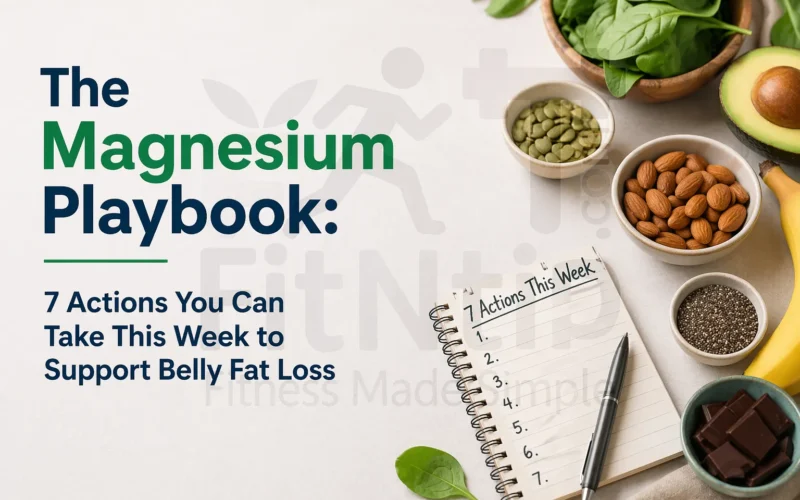
The Magnesium Playbook: 7 Actions You Can Take This Week to Support Belly Fat Loss

If you’ve been chasing a flatter stomach and feeling stuck despite eating well and exercising, magnesium might be the missing piece in your wellness puzzle. While no magic supplement can melt away belly fat overnight, research suggests that magnesium plays a surprisingly important role in metabolism, insulin sensitivity, stress regulation, and sleep—all of which directly influence how your body stores (or burns) abdominal fat. In fact, many people are unknowingly deficient in this essential mineral, which could be quietly sabotaging their fat-loss efforts.
The good news? Correcting a magnesium shortfall is simple, affordable, and can yield noticeable improvements in energy, cravings, and even waistline measurements—often within days. This isn’t about popping pills as a standalone solution; it’s about using magnesium strategically as part of a holistic approach to metabolic health. Think of it as tuning up your body’s internal engine so it runs more efficiently, especially when it comes to handling sugar, managing cortisol, and burning stored fat.
Also Read-3 Myths About Brain Signals That Even Smart People Believe
You don’t need to overhaul your life or spend hours in the kitchen. With just one small change today—like adding a magnesium-rich food to your dinner or switching your afternoon coffee for herbal tea—you can start shifting your body’s environment away from fat storage and toward fat burning. Over the next week, we’ll walk you through exactly how to do that, step by step, with practical, science-informed actions that fit into real life.
Most people struggle with belly fat not because they lack willpower, but because they’re fighting an invisible biochemical battle. Chronic stress elevates cortisol, a hormone that signals your body to store fat—especially around the midsection. Poor sleep disrupts hunger hormones like ghrelin and leptin, making you crave sugary, high-calorie foods. And modern diets, even “healthy” ones, are often low in magnesium due to soil depletion, processed foods, and high intake of refined carbs and caffeine—all of which deplete magnesium stores.
Another hidden hurdle is the assumption that supplements alone will fix the problem. Magnesium won’t magically erase belly fat if you’re still eating ultra-processed foods, skipping meals, or sleeping four hours a night. It works best as a supportive nutrient—like oil in an engine—that helps other systems function optimally. Yet many people either ignore magnesium entirely or take the wrong form, dose, or timing, leading to frustration when they don’t see results.
Finally, there’s the issue of misinformation. Social media is flooded with “miracle” claims about supplements, but magnesium’s benefits are subtle and cumulative. You won’t wake up with six-pack abs after one dose. Instead, you might notice better sleep, fewer sugar cravings, or less bloating—signs that your metabolism is rebalancing. Patience and consistency are key, but most people give up too soon because they expect overnight transformations instead of steady, sustainable progress.
Magnesium is one of the most abundant minerals in the human body, involved in over 300 enzymatic reactions—including energy production, muscle function, nerve signaling, and blood sugar regulation. Despite its importance, estimates suggest that nearly half of U.S. adults don’t meet their daily magnesium needs, according to data from the National Institutes of Health (NIH). This deficiency is even more common among people with insulin resistance, type 2 diabetes, or high stress levels—groups already at higher risk for abdominal obesity.
Research indicates that magnesium plays a critical role in how your body responds to insulin. Insulin helps shuttle glucose from your bloodstream into cells for energy. When cells become resistant to insulin (a condition known as insulin resistance), glucose builds up in the blood, prompting the pancreas to release more insulin. High insulin levels signal your body to store fat—particularly visceral fat around the organs in your abdomen. Magnesium helps improve insulin sensitivity, meaning your cells respond better to insulin, reducing the need for excess hormone release and lowering fat-storage signals.
Additionally, magnesium influences cortisol, the primary stress hormone. Chronic stress keeps cortisol elevated, which not only increases appetite and cravings for comfort foods but also promotes fat accumulation in the abdominal region. Studies suggest that adequate magnesium intake can help modulate the body’s stress response, potentially reducing cortisol levels and its fat-storing effects. Magnesium also supports restful sleep—a non-negotiable factor in weight management—by helping regulate melatonin and calming the nervous system. Poor sleep is strongly linked to increased belly fat, even in people who eat well and exercise.
Your Week 1 Plan
Day 1: Audit Your Current Magnesium Intake
Start by tracking what you eat today using a simple food journal or app. Look for magnesium-rich foods like leafy greens (spinach, kale), nuts and seeds (almonds, pumpkin seeds), legumes (black beans, lentils), whole grains (quinoa, brown rice), and dark chocolate (70%+ cocoa). Most adults need between 310–420 mg of magnesium per day, depending on age and sex. If your intake falls short—which is likely—note where you can add one serving tomorrow. Don’t worry about perfection; just build awareness.
Day 2: Add One Magnesium-Rich Food at Dinner
Choose one magnesium powerhouse and include it in your evening meal. For example, sauté a cup of spinach with garlic and olive oil, sprinkle pumpkin seeds on a salad, or add black beans to a grain bowl. Pair it with a lean protein and healthy fat to stabilize blood sugar and enhance nutrient absorption. Eating magnesium-rich foods in the evening may also support better sleep, as magnesium has natural calming properties.
Day 3: Cut Back on Magnesium-Depleting Habits
Identify one habit that depletes magnesium—such as drinking more than two cups of coffee daily, consuming sugary snacks, or taking diuretic medications (if prescribed)—and reduce it slightly. Coffee isn’t evil, but excess caffeine increases urinary excretion of magnesium. Try swapping one coffee for herbal tea (like chamomile or rooibos) or diluting your coffee with hot water. Small reductions add up over time.
Day 4: Try a Magnesium Supplement (If Needed)
If your diet still feels lacking, consider a magnesium supplement. Magnesium glycinate is ideal for most people because it’s well-absorbed and gentle on the stomach—plus, it has calming effects that support sleep. Start with 200 mg taken 30 minutes before bed. Avoid magnesium oxide, which has poor bioavailability and can cause digestive discomfort. Always check with your healthcare provider if you have kidney issues or take medications.
Day 5: Prioritize Sleep Hygiene
Since magnesium and sleep are deeply connected, tonight focus on creating a sleep-conducive environment. Dim the lights an hour before bed, avoid screens, and consider a warm bath with Epsom salts (which contain magnesium sulfate and can be absorbed through the skin). Aim for 7–9 hours of uninterrupted sleep. Better sleep reduces late-night cravings and supports hormonal balance critical for fat loss.
Day 6: Manage Stress with Magnesium-Supported Techniques
Stress depletes magnesium fast. Today, incorporate a 10-minute mindfulness practice—deep breathing, meditation, or gentle stretching—while keeping a glass of water with a pinch of magnesium chloride powder (available online or at health stores) nearby. This combo helps replenish magnesium while calming the nervous system. Even short bursts of relaxation can lower cortisol and reduce belly fat-promoting signals.
Day 7: Reflect and Plan Ahead
At the end of the week, ask yourself: Did I sleep better? Were my cravings less intense? Did I feel calmer? These subtle shifts often precede visible fat loss. Use this reflection to refine your approach for Week 2. Maybe you’ll increase your supplement dose slightly, add another magnesium-rich meal, or focus more on stress management. Progress isn’t always measured in inches—it’s also felt in energy and mood.
Common Mistakes to Avoid
One of the biggest mistakes people make is expecting magnesium to work like a fat burner. It’s not a stimulant or appetite suppressant. Instead, it’s a foundational nutrient that supports metabolic health. If you’re taking magnesium but still eating a diet high in refined sugars and processed foods, you’re fighting an uphill battle. Magnesium can’t overcome a constant flood of insulin-spiking carbs. For real belly fat loss, pair magnesium with balanced meals that include protein, fiber, and healthy fats to keep blood sugar stable.
Another common error is choosing the wrong form of magnesium. Not all supplements are created equal. Magnesium oxide, often found in cheap supplements, has less than 4% absorption and is primarily used as a laxative. Magnesium citrate is better absorbed but can cause loose stools in higher doses. Magnesium glycinate and magnesium threonate are excellent choices—glycinate for relaxation and sleep, threonate for brain health. Always read labels and prioritize bioavailable forms.
Finally, many people give up too soon. Magnesium doesn’t produce dramatic overnight changes. Its effects are cumulative and systemic. You might notice improved sleep within a few days, reduced bloating in a week, and slower, steadier fat loss over several weeks. But if you stop after three days because the scale hasn’t moved, you’ll miss the long-term benefits. Consistency is everything. Think of magnesium as part of your daily wellness routine—like brushing your teeth or drinking water.
The Progression Plan: Weeks 2–4
| Week | Focus Area | Key Actions |
|---|---|---|
| 2 | Deepen Diet Integration | Add 2 magnesium-rich foods daily; reduce processed snacks; track sleep quality |
| 3 | Optimize Timing & Dosage | Adjust supplement dose (up to 400 mg if tolerated); pair with evening wind-down routine |
| 4 | Combine with Movement & Mindset | Add 20-min daily walks; practice gratitude journaling; reassess belly measurements |
In Week 2, shift from occasional inclusion to consistent integration. Aim to include magnesium-rich foods at two meals per day—perhaps oatmeal with almonds for breakfast and a quinoa salad with chickpeas for lunch. Reduce or eliminate processed snacks that spike insulin and deplete magnesium, such as chips, cookies, and sugary cereals. Continue tracking your sleep and note any improvements in duration or quality. Better sleep alone can reduce abdominal fat over time by balancing hunger hormones.
By Week 3, fine-tune your supplementation. If 200 mg of magnesium glycinate feels too mild, increase to 300–400 mg, always taken at night. Monitor for side effects like loose stools—if they occur, reduce the dose slightly. Pair your magnesium routine with a calming evening ritual: dim lights, read a book, listen to soft music, or do light stretching. This synergy enhances magnesium’s calming effects and trains your body to associate bedtime with relaxation, not scrolling or stress.
Week 4 is about layering in movement and mindset. Add a 20-minute daily walk—preferably outdoors in natural light—to boost circulation, reduce cortisol, and support fat metabolism. Walking after meals is especially effective for lowering post-meal blood sugar spikes. Combine this with a simple gratitude journal: write down three things you’re grateful for each night. This practice reduces stress and improves sleep, creating a positive feedback loop that supports belly fat loss. At the end of the week, take measurements (waist circumference at the narrowest point) and compare to Day 1. Even a half-inch loss is meaningful progress.
When things get hard—and they will—remember that progress isn’t linear. Some days you’ll forget your supplement. Others, you’ll eat takeout and skip your walk. That’s normal. What matters is returning to your routine without guilt. Magnesium isn’t about perfection; it’s about creating a supportive internal environment where fat loss becomes easier, not harder. When stress spikes or sleep suffers, your body will thank you for the extra magnesium buffer.
If you hit a plateau, don’t panic. Belly fat is stubborn because it’s hormonally driven. It responds best to sustained lifestyle changes, not quick fixes. Reassess your habits: Are you still getting enough sleep? Managing stress? Eating whole foods? Sometimes, a small tweak—like adding magnesium-rich snacks between meals or switching to a different supplement form—can reignite progress. And if you’re truly stuck, consult a healthcare provider to rule out underlying issues like thyroid dysfunction or hormonal imbalances.
Your Quick-Start Checklist
- Identify your current magnesium sources – Track your diet for one day to see where you’re falling short.
- Add one magnesium-rich food to dinner tonight – Choose spinach, pumpkin seeds, black beans, or almonds.
- Choose a high-quality magnesium supplement – Opt for glycinate or citrate; avoid oxide. Start with 200 mg at bedtime.
- Reduce one magnesium-depleting habit – Cut back on excess coffee, sugar, or alcohol.
- Prioritize 7–9 hours of sleep nightly – Create a calming bedtime routine and avoid screens.
- Manage stress daily – Practice 10 minutes of deep breathing, meditation, or gentle movement.
- Reassess in 7 days – Note changes in sleep, cravings, energy, and waist measurements.
Magnesium won’t single-handedly shrink your belly, but it can be a powerful ally in your fat-loss journey. By supporting insulin function, calming your nervous system, and improving sleep, it helps your body shift from fat-storage mode to fat-burning mode. And the best part? These benefits compound over time, making healthy choices feel easier and more natural.
Remember, this isn’t about chasing a number on the scale or achieving an unrealistic ideal. It’s about feeling stronger, calmer, and more in control of your body. Every small action you take this week builds momentum. So start where you are, use what you have, and keep moving forward. Your future self will thank you.
Why Trust FitNTip?
- Our content is AI-assisted and reviewed for factual accuracy against established health science
- We reference trusted organizations (WHO, CDC, Mayo Clinic, Harvard Health) for health claims
- Our editorial process verifies that all cited facts are well-established and widely accepted
- We recommend always consulting qualified healthcare professionals for medical decisions
The information provided on FitNTip.com is for general informational and educational purposes only. It is not intended as, and should not be construed as, professional medical advice, diagnosis, or treatment. Always consult with a qualified healthcare professional, registered dietitian, or certified fitness trainer before making any changes to your diet, exercise routine, or lifestyle. Individual results may vary, and what works for one person may not be suitable for another. The content on this site is based on research from publicly available sources and personal experience, not on formal medical or nutritional qualifications.
References & Trusted Sources
This article is based on research and information from the following sources:
- World Health Organization (WHO) – Health Topics [www.who.int]
- Centers for Disease Control and Prevention (CDC) – Diseases & Conditions [www.cdc.gov]
- Mayo Clinic – Diseases & Conditions [www.mayoclinic.org]
- National Institutes of Health (NIH) [www.nih.gov]
- National Institutes of Health (NIH) – Health Information [www.nih.gov]
- National Institutes of Health (NIH) – Weight Management [www.niddk.nih.gov]
Note: We strive to link to authoritative sources. If you notice any outdated or incorrect information, please contact us.
[
{
“@context”: “https://schema.org”,
“@type”: “Article”,
“headline”: “The Magnesium Playbook: 7 Actions You Can Take This Week to Support Belly Fat Loss”,
“description”: “Does Magnesium Help You Lose Belly Fat?: “,
“author”: {
“@type”: “Person”,
“name”: “C.K. Gupta”,
“url”: “https://fitntip.com”
},
“publisher”: {
“@type”: “Organization”,
“name”: “FitNTip”,
“url”: “https://fitntip.com”,
“logo”: {
“@type”: “ImageObject”,
“url”: “https://fitntip.com/wp-content/uploads/2025/07/cropped-fitntip_logo_final_512x512-1.png”,
“width”: 512,
“height”: 512
}
},
“datePublished”: “2026-04-24T04:52:10+00:00”,
“dateModified”: “2026-04-24T04:52:10+00:00”,
“mainEntityOfPage”: {
“@type”: “WebPage”,
“@id”: “https://fitntip.com”
},
“inLanguage”: “en-US”,
“isAccessibleForFree”: true,
“articleSection”: “weight-loss”,
“keywords”: “weight-loss, health, fitness”
},
{
“@context”: “https://schema.org”,
“@type”: “MedicalWebPage”,
“name”: “The Magnesium Playbook: 7 Actions You Can Take This Week to Support Belly Fat Loss”,
“description”: “Does Magnesium Help You Lose Belly Fat?: “,
“about”: {
“@type”: “MedicalCondition”,
“name”: “The Magnesium Playbook: 7 Actions You Can Take This Week to Support Belly Fat Loss”
},
“author”: {
“@type”: “Person”,
“name”: “C.K. Gupta”
},
“publisher”: {
“@type”: “Organization”,
“name”: “FitNTip”
},
“lastReviewed”: “2026-04-24T04:52:10+00:00”,
“datePublished”: “2026-04-24T04:52:10+00:00”,
“dateModified”: “2026-04-24T04:52:10+00:00”,
“inLanguage”: “en-US”,
“isAccessibleForFree”: true
},
{
“@context”: “https://schema.org”,
“@type”: “BreadcrumbList”,
“itemListElement”: [
{
“@type”: “ListItem”,
“position”: 1,
“name”: “Home”,
“item”: “https://fitntip.com”
},
{
“@type”: “ListItem”,
“position”: 2,
“name”: “Weight loss”,
“item”: “https://fitntip.com/weight-loss/”
}
]
}
]
This article is for informational and educational purposes only. It does not constitute medical advice, diagnosis, or treatment. The information presented is researched from trusted sources including peer-reviewed scientific journals, CDC, NIH, WHO, and recognized health organizations. Always consult a qualified healthcare professional before making any changes to your diet, exercise routine, or health regimen.