Contents
In 2025, COVID-19 symptoms have significantly shifted, largely due to new variants like Stratus (XFG) and Nimbus (NB.1.8.1). According to global health data, the illness is now milder for most people but remains a serious threat to vulnerable populations, who can still experience severe symptoms.
Also Read-COVID Symptoms 2025: What You Need to Know About the Latest Variants
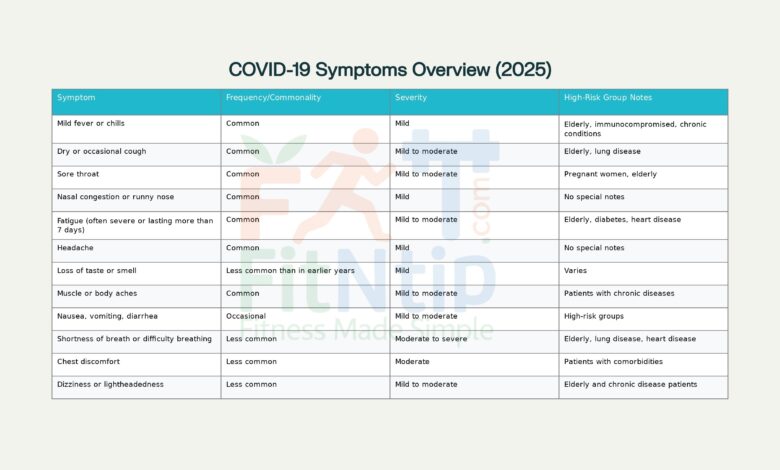
This chart, compiled from recent studies and reports, highlights common signs such as mild fever, sore throat, fatigue, and nasal congestion, often mimicking a stubborn cold but potentially escalating in high-risk individuals. If you’re experiencing any of these, testing remains crucial, as the virus continues to spread in localized hotspots across India, the US, and beyond.
The year 2025 has brought a fresh wave of concern as COVID-19 refuses to fade into the background, with experts noting that while vaccination efforts have blunted its deadliest edges, the symptoms have adapted in ways that make them trickier to spot early on. Imagine waking up with what feels like a minor scratch in your throat, only to realize it’s the onset of something more insidious – that’s the reality for many facing the latest strains.
Health organizations have updated their guidelines, emphasizing that symptoms now appear within 2 to 14 days post-exposure, starting mild but sometimes progressing if ignored. In India, where daily cases hover around 1,100 to 1,300 as of mid-2025, metro areas like Delhi NCR and Mumbai are seeing spikes, driven by these evolving variants that spread faster but cause less severe illness overall.
| Symptom | Frequency/Commonality | Severity | High-Risk Group Notes |
|---|---|---|---|
| Mild fever or chills | Common | Mild | Elderly, immunocompromised, chronic conditions |
| Dry or occasional cough | Common | Mild to moderate | Elderly, lung disease |
| Sore throat | Common | Mild to moderate | Pregnant women, elderly |
| Nasal congestion or runny nose | Common | Mild | No special notes |
| Fatigue (often severe or lasting more than 7 days) | Common | Mild to moderate | Elderly, diabetes, heart disease |
| Headache | Common | Mild | No special notes |
| Loss of taste or smell | Less common than in earlier years | Mild | Varies |
| Muscle or body aches | Common | Mild to moderate | Patients with chronic diseases |
| Nausea, vomiting, diarrhea | Occasional | Mild to moderate | High-risk groups |
| Shortness of breath or difficulty breathing | Less common | Moderate to severe | Elderly, lung disease, heart disease |
| Chest discomfort | Less common | Moderate | Patients with comorbidities |
| Dizziness or lightheadedness | Less common | Mild to moderate | Elderly and chronic disease patients |
The presentation of COVID-19 has evolved significantly since the start of the pandemic. In 2020, infections were often severe, characterized by high fevers, a profound loss of taste and smell, and acute respiratory distress. By 2025, this has changed dramatically due to widespread immunity from both vaccination and prior infections.
Experts point out that symptoms now resemble a bad cold or even heat-related fatigue, with variants adding unique twists such as a “razor-blade” sore throat. For example, a young professional in Mumbai may initially dismiss a nagging cough and mild chills as pollution or exhaustion, only to find out they have COVID. Over 95% of first-dose vaccinations in India have reduced hospitalizations, yet rural areas remain vulnerable. The key takeaway? What feels like a minor annoyance could be the virus’s stealthy entry, especially during monsoon seasons when viral spreads mix with allergies and colds.
Fatigue stands out as a dominant symptom in 2025, often the first and most persistent sign, lasting over seven days in many cases. For instance, a 45-year-old teacher from Bengaluru thought her exhaustion was burnout, but testing revealed the Stratus variant. Studies show that fatigue correlates with higher viral loads in patients with diabetes or heart disease. In elderly or chronically ill patients, this symptom can escalate to dizziness or lightheadedness, increasing risks. Hospitals in Chennai report increased such cases, highlighting the need for targeted booster shots. It’s crucial to monitor energy levels, possibly by keeping symptom journals or using home tests, as fatigue remains a powerful indicator.
Headaches and muscle aches are common early warnings. For instance, a Mumbai IT professional initially thought her symptoms were stress-related before testing positive. These aches affect up to 70% of cases and can worsen preexisting conditions, impacting mobility and quality of life. Recognizing these as possible COVID signs is essential for timely medical advice and rest.
Latest Studies on COVID Symptoms in 2025.
Recent research highlights milder but persistent COVID symptoms. Experts note the “razor-blade” sore throat and severe fatigue as markers of new variants like Nimbus and Stratus. Urban populations face quick spread but reduced severity due to immunity. Studies from India show cases averaging around 1,200 daily, with mild presentations predominant. Vaccination updates, especially with Novavax’s latest formula, are recommended to counteract evolving strains.
A global study reviewing 10,000 cases found hospitalization below 1%, but unvaccinated people risk multisystem inflammatory syndrome, especially young children and immunocompromised adults. Dizziness affects 20% of elderly patients linked to vascular inflammation. Test positivity varies globally, with milder symptoms reported in vaccinated regions. Tracking symptoms via digital tools is advised for early intervention.
Eye-Catching Examples from the COVID Symptoms 2025 Chart.
Clusters in Gurgaon demonstrated how nasal congestion and sore throat spread quickly among office workers, especially those with diabetes. A family in Bengaluru showed prolonged fatigue requiring hospitalization for the elderly member, while vaccinated younger members had mild headaches. In the US, festival outbreaks caused severe sore throats described as “feeling like swallowing glass,” underlining variant symptom diversity. These stories emphasize urgency in recognizing symptoms and seeking testing.
Attention-Grabbing Headlines from the COVID Symptoms 2025 Chart.
- Is Your Sore Throat Hiding a Deadly Variant? Decode the COVID Symptoms 2025 Chart Now!
- Fatigue That Won’t Quit: The Hidden Danger in the COVID Symptoms 2025 Chart Exposed
- From Mild Chills to Hospital Beds: Shocking High-Risk Revelations in the COVID Symptoms 2025 Chart
FAQ: Your Burning Questions on COVID Symptoms 2025 Chart Answered.
- Q1: What are the most common symptoms in the covid symptoms 2025 chart?A1: Mild fever, sore throat, fatigue, and nasal congestion are most common, often milder but needing testing.
- Q2: How do 2025 symptoms differ from earlier years?A2: Loss of taste is less common, “razor-blade” sore throat and prolonged fatigue more prominent, overall severity is reduced.
- Q3: Who is most at risk according to the chart?A3: Elderly, pregnant women, those with diabetes, heart or lung diseases, and immunocompromised individuals.
- Q4: Should I get tested for mild symptoms?A4: Yes, even mild symptoms require testing, especially in high-case regions.
- Q5: What are the new variants in 2025?A5: Stratus (XFG) and Nimbus (NB.1.8.1) are the main circulating strains.
Disclaimer: This article is for informational purposes only and does not constitute medical advice. Readers should consult healthcare professionals for diagnosis and treatment of COVID-19 or any other medical conditions. Symptoms and virus behavior may vary by region and individual health status.
References:
- World Health Organization (WHO) COVID-19 Dashboard, 2025
- Centers for Disease Control and Prevention (CDC) COVID-19 Symptoms and Guidance, 2025
- Mayo Clinic Coronavirus Disease 2019 (COVID-19) Symptoms Overview, 2024-2025
- National Institute on Aging: Infographic on Cold, Flu, and COVID-19 Symptoms, 2025
- Recent variant studies and public health reports, 2025

Hi there!
I’m C.K. Gupta, the founder and head writer at FitnTip.com. With a passion for health and wellness, I created FitnTip to share practical, science-backed advice to help you achieve your fitness goals.
Over the years, I’ve curated valuable information from trusted resources on topics like nutrition, exercise, weight loss, and overall well-being. My aim is to distill this knowledge into easy-to-understand tips and strategies you can implement in your daily life.
Whether you’re looking to get in shape, eat healthier, or simply feel your best, FitnTip is here to support and guide you. I believe that everyone has the potential to transform their health through sustainable lifestyle changes.
When I’m not researching the latest health trends or writing for FitnTip, you can find me trying out new fitness routines, experimenting with nutritious recipes, and spending quality time with loved ones.
I’m excited to have you join our community as we embark on this wellness journey together. Let’s make positive, lasting changes and unlock a healthier, happier you!