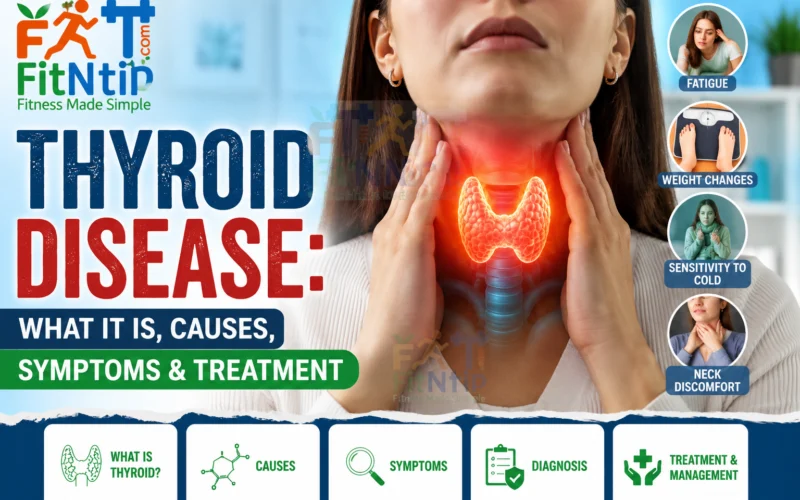
Thyroid Disease: What It Is, Causes, Symptoms & Treatment

🩻General Health Guide
Evidence-based information you can trust
Nearly 20 million Americans are living with some form of thyroid disease, and up to 60 percent of them have no idea something is wrong. That means roughly 12 million people are walking around right now with unexplained fatigue, stubborn weight changes, mood swings, or heart palpitations, never suspecting that a tiny butterfly-shaped gland at the base of their neck could be the root cause. The field of Endocrinology has made remarkable strides in understanding how this small but mighty gland influences virtually every system in the body, yet thyroid disorders remain among the most underdiagnosed conditions in modern medicine. If you have ever felt “off” without a clear explanation, your thyroid might deserve a closer look.
The thyroid gland produces hormones that regulate your metabolism, heart rate, body temperature, brain function, and even your emotional well-being. When this gland produces too much hormone, a condition called hyperthyroidism, your body essentially shifts into overdrive. When it produces too little, known as hypothyroidism, everything slows down in ways that can feel like running through mud.
What makes thyroid disease particularly tricky is how its symptoms mimic so many other conditions, from depression and anxiety to heart disease and aging. This overlap is exactly why so many people suffer for years before getting an accurate diagnosis.
Also Read-The Science-Backed Home Workout Routain for Weight Loss That Actually Works
Research in Endocrinology has revealed that thyroid dysfunction does not operate in isolation. Clinical reviews, such as those published in the journal Circulation, have found that hormone deficiency states, including thyroid disorders, are increasingly recognized as major contributors to cardiovascular disease. These deficits affect myocardial function, vascular biology, and metabolic homeostasis, leading to increased cardiovascular morbidity and mortality.
In other words, untreated thyroid disease does not just make you feel tired or gain weight, it can silently damage your heart and blood vessels over time. This connection underscores why understanding thyroid health matters far beyond the gland itself.
What we have found in reviewing the latest research is that thyroid disease is both more common and more consequential than most people realize. The good news is that with proper testing and treatment, most thyroid conditions are highly manageable. The challenge lies in recognizing the signs early and advocating for the right diagnostic workup. This guide breaks down everything you need to know about thyroid disease, from the underlying causes and telltale symptoms to the treatment options backed by current evidence.
Understanding the Thyroid: Your Body’s Metabolic Command Center
The thyroid is a small, butterfly-shaped gland located at the front of your neck, just below the Adam’s apple. Despite weighing less than an ounce, it has an outsized impact on your health. This gland produces two primary hormones: thyroxine (T4) and triiodothyronine (T3).
These hormones travel through your bloodstream and interact with receptors on cells throughout your body, essentially telling each cell how fast or slow to operate. Think of the thyroid as your body’s thermostat, constantly adjusting the metabolic dial to keep everything running smoothly.
The production of thyroid hormones is controlled by a feedback loop involving the hypothalamus in your brain and the pituitary gland. The hypothalamus releases thyrotropin-releasing hormone (TRH), which signals the pituitary to produce thyroid-stimulating hormone (TSH). TSH then tells the thyroid to produce and release T4 and T3.
When hormone levels drop, the pituitary releases more TSH to stimulate the thyroid. When levels rise, TSH production decreases. This elegant system keeps your metabolism in balance, but any disruption at any point in this chain can lead to dysfunction.
Epidemiological studies, including comprehensive reviews published in Nature Reviews Endocrinology, have analyzed genetic data from millions of participants to identify genes and biological pathways associated with thyroid cancer and benign thyroid diseases. These studies confirm that thyroid diseases are highly heritable, meaning your genetic makeup plays a substantial role in your risk. Researchers typically focus on five major thyroid conditions: thyroid cancer, benign nodular goiter, Graves’ disease, lymphocytic thyroiditis, and primary hypothyroidism.
Their findings reveal shared genetic architecture across these conditions, suggesting common biological mechanisms that could inform future therapeutic targets. This research highlights how deeply rooted these conditions are in our biology.
The Scope of Thyroid Disease: More Common Than You Think
Thyroid disease encompasses a wide range of conditions, each with distinct causes and treatment approaches. The most prevalent forms include hypothyroidism (underactive thyroid), hyperthyroidism (overactive thyroid), thyroid nodules, thyroid cancer, and autoimmune conditions like Hashimoto’s thyroiditis and Graves’ disease. According to the American Thyroid Association, women are five to eight times more likely than men to develop thyroid problems, and risk increases significantly after age 60. However, thyroid disease can affect anyone at any age, including infants and children.
Hypothyroidism, most commonly caused by Hashimoto’s thyroiditis, affects an estimated 5 percent of the general population, with an additional 5 percent remaining undiagnosed. The symptoms develop gradually and can include fatigue, weight gain, cold intolerance, dry skin, hair loss, constipation, depression, and brain fog. Because these signs develop slowly and overlap with many other conditions, people often attribute them to stress, aging, or lifestyle factors. By the time they seek medical attention, the condition may have been progressing for months or even years.
Hyperthyroidism, often driven by Graves’ disease, produces the opposite effect. Symptoms include unexplained weight loss despite increased appetite, rapid heartbeat, anxiety, tremors, heat intolerance, insomnia, and irritability. In severe cases, untreated hyperthyroidism can lead to a life-threatening condition called thyroid storm, where the body’s metabolic processes accelerate to dangerous levels.
Clinical studies published in the European Journal of Endocrinology have examined the relationship between hypothyroidism, levothyroxine replacement therapy, and kidney function outcomes. Their findings reveal important connections between thyroid dysfunction and renal health, adding to the growing body of evidence that thyroid disease affects far more than just metabolic rate.
Thyroid cancer, while less common than other thyroid conditions, has been increasing in incidence over the past several decades. The American Thyroid Association’s management guidelines highlight the critical role of thyroglobulin (Tg) as a biomarker in differentiated thyroid cancer. Accurate measurement of thyroglobulin is essential for monitoring treatment response and detecting disease recurrence, though the process is complicated by assay-specific performance issues and interference from thyroglobulin autoantibodies. Precise biomarker monitoring allows for earlier detection of recurrence and more timely intervention.
The interplay between thyroid dysfunction and other organ systems is a major focus of contemporary Endocrinology research. The cardiovascular implications alone are significant enough that major endocrinology guidelines now recommend cardiovascular risk assessment as part of routine thyroid disease management. Beyond the heart, thyroid hormones influence bone density, gastrointestinal motility, reproductive health, cognitive function, and mental health. This systemic reach is precisely why thyroid disease can feel so overwhelming, and why a comprehensive understanding of the condition matters for anyone experiencing unexplained symptoms.
| Thyroid Condition | Primary Cause | Key Symptoms | Estimated Prevalence |
|---|---|---|---|
| Hypothyroidism | Hashimoto’s thyroiditis | Fatigue, weight gain, cold intolerance, depression | ~5% of population |
| Hyperthyroidism | Graves’ disease | Weight loss, rapid heartbeat, anxiety, tremors | ~1.2% of population |
| Thyroid Nodules | Iodine deficiency, genetic factors | Neck lump, difficulty swallowing (often asymptomatic) | Up to 50% of adults on ultrasound |
| Thyroid Cancer | Genetic mutations, radiation exposure | Neck lump, hoarseness, difficulty swallowing | ~1.2% lifetime risk |
| Hashimoto’s Thyroiditis | Autoimmune destruction | Gradual onset of hypothyroid symptoms | Most common cause of hypothyroidism |
The Thyroid Gland: Understanding the Body’s Master Regulator
The thyroid gland sits at the base of your neck, shaped like a butterfly, and weighs no more than a few ounces. Yet this small, unassuming organ governs some of the most fundamental processes in human biology. For centuries, physicians recognized the thyroid’s importance long before they understood its function.
Ancient Chinese and Greek medical texts described neck swellings we now recognize as goiters, and by the 19th century, surgeons were removing thyroid tissue with varying degrees of success. The field of Endocrinology as we know it today began taking shape in the late 1800s when researchers first isolated thyroid extracts and demonstrated their ability to reverse the devastating effects of thyroid deficiency. That foundational work transformed thyroid disease from a mysterious affliction into one of the most treatable conditions in modern medicine.
What makes the thyroid so remarkable is its reach. Unlike organs that serve a single localized purpose, the thyroid produces hormones that influence virtually every cell in the human body. Thyroxine (T4) and triiodothyronine (T3) regulate metabolic rate, body temperature, heart rhythm, brain development, bone maintenance, and digestive function.
When the thyroid functions properly, these processes hum along in quiet harmony. When it falters, the consequences ripple outward in ways that can confuse patients and clinicians alike. This is precisely why thyroid disease remains one of the most commonly misdiagnosed conditions in primary care, with the American Thyroid Association estimating that up to 60% of people with thyroid disease are unaware of their condition.
The prevalence of thyroid disorders has drawn increasing attention from the global health community. The World Health Organization estimates that 750 million people worldwide suffer from thyroid disease, making it one of the most widespread endocrine disorders on the planet. In the United States alone, the American Thyroid Association reports that approximately 20 million Americans have some form of thyroid disease, with women being five to eight times more likely than men to develop a condition. These numbers have driven a surge in research funding and clinical interest, particularly as scientists uncover new connections between thyroid dysfunction and conditions ranging from cardiovascular disease to cognitive decline.
How Thyroid Hormones Work: The Science Behind the Control System
To understand thyroid disease, you first need to understand the elegant feedback loop that governs thyroid function. The process begins in the hypothalamus, a small region at the base of the brain that acts as the body’s command center. When the hypothalamus detects low levels of thyroid hormones in the bloodstream, it releases thyrotropin-releasing hormone (TRH), which signals the pituitary gland to secrete thyroid-stimulating hormone (TSH).
TSH then travels through the blood to the thyroid gland, instructing it to produce and release more T4 and T3. This hypothalamic-pituitary-thyroid (HPT) axis operates as a precision-tuned thermostat, constantly adjusting hormone output to meet the body’s changing demands.
The thyroid gland produces primarily T4, which is essentially a storage form of the hormone. T4 must be converted into the biologically active T3 in peripheral tissues, primarily the liver, kidneys, and skeletal muscle. This conversion process is critical because T3 is roughly four times more potent than T4 at the cellular level.
The conversion depends on a family of enzymes called deiodinases, which remove one iodine atom from T4 to create T3. When this conversion process is impaired, whether due to nutritional deficiencies, chronic illness, or genetic variations, patients can experience symptoms of thyroid dysfunction even when their TSH levels appear normal on standard blood tests.
Once T3 enters a cell, it binds to thyroid hormone receptors located in the cell nucleus. These receptors act as transcription factors, directly influencing which genes are turned on or off. This is why thyroid hormones have such sweeping effects on metabolism.
They increase the basal metabolic rate by stimulating the production of proteins involved in energy consumption, enhance the breakdown of fats and carbohydrates, and increase the number and activity of mitochondria, the energy-producing structures within cells. Clinical studies show that deficits in thyroid hormone signaling directly influence myocardial function, vascular biology, and metabolic homeostasis, leading to measurable increases in cardiovascular morbidity and mortality.
The Conversion Problem: Why T4 Alone Isn’t Always Enough
One of the most important concepts in modern thyroid management is that not all patients convert T4 to T3 efficiently. This has significant implications for treatment, as the most commonly prescribed thyroid medication, levothyroxine, is a synthetic form of T4. For patients with impaired conversion, taking levothyroxine alone may not fully resolve their symptoms.
Studies indicate that approximately 10-15% of hypothyroid patients on levothyroxine therapy continue to report persistent fatigue, brain fog, and weight gain despite having normal TSH levels. This has led some clinicians to explore combination therapy with both T4 and T3, though the evidence remains mixed and the approach requires careful monitoring.
The Genetic and Autoimmune Roots of Thyroid Disease
Thyroid disease does not strike randomly. A growing body of genetic research has revealed that thyroid conditions are among the most heritable disorders in human medicine. Reviews in major journals like Nature Reviews Endocrinology emphasize that genome-wide association studies across diverse ancestries continue to map the significant genetic predispositions involved in these conditions.
Their work identifies numerous genes and biological pathways associated with thyroid cancer, benign nodular goiter, Graves’ disease, lymphocytic thyroiditis, and primary hypothyroidism. The findings confirm that thyroid diseases are highly heritable, with genetic factors accounting for a substantial proportion of disease risk.
Autoimmune mechanisms represent the most common pathway to thyroid dysfunction in developed countries. In Hashimoto’s thyroiditis, the immune system mistakenly identifies thyroid tissue as foreign and launches a sustained attack, gradually destroying the gland’s ability to produce hormones. In Graves’ disease, the immune system produces antibodies that mimic TSH, constantly stimulating the thyroid to overproduce hormones.
Both conditions involve a complex interplay between genetic susceptibility and environmental triggers, including viral infections, chronic stress, iodine excess or deficiency, and certain medications. The genetic architecture helps explain why autoimmune thyroid disease tends to cluster in families and why individuals with one autoimmune condition are at elevated risk for developing others.
Who Is Most at Risk?
While anyone can develop thyroid disease, certain populations face significantly elevated risk. Women, particularly those over 60, are disproportionately affected. Individuals with a family history of thyroid or autoimmune disease carry a genetic predisposition that can be triggered by environmental factors.
People with other autoimmune conditions, such as type 1 diabetes, rheumatoid arthritis, or celiac disease, have a markedly higher likelihood of developing thyroid dysfunction. individuals who have received radiation therapy to the neck or head, those with a history of thyroid surgery, and people taking certain medications, including lithium and amiodarone, require regular thyroid monitoring. Understanding these risk factors is essential for early detection and timely intervention.
Why Thyroid Health Matters: The Systemic Impact
The consequences of untreated or poorly managed thyroid disease extend far beyond the neck. The cardiovascular system is particularly vulnerable to thyroid hormone imbalances. Hypothyroidism slows the heart rate, increases cholesterol levels, and promotes fluid retention, all of which strain the cardiovascular system over time.
Hyperthyroidism accelerates the heart rate, increases cardiac output, and can trigger atrial fibrillation, a dangerous irregular heartbeat that raises stroke risk. Clinical research has underscored that hormone deficiency states, including thyroid dysfunction, are increasingly recognized as important yet often underappreciated contributors to cardiovascular disease. Their work emphasized that deficits affecting the thyroid axis influence myocardial function and vascular biology in ways that lead to increased cardiovascular morbidity and mortality.
The kidneys also bear a significant burden from thyroid dysfunction. Research tracking the relationship between hypothyroidism, levothyroxine replacement, and kidney function outcomes has revealed that hypothyroidism is associated with measurable declines in kidney function, and that appropriate levothyroxine replacement therapy may help preserve renal health. This finding adds to the growing body of evidence that thyroid disease affects far more than just metabolic rate, and that managing thyroid function is a critical component of protecting kidney health over the long term.
The neurological and psychiatric dimensions of thyroid disease are equally significant. Thyroid hormones are essential for normal brain development in infants and for maintaining cognitive function in adults. Hypothyroidism is strongly associated with depression, memory impairment, and slowed thinking, while hyperthyroidism can produce anxiety, irritability, and even psychosis in severe cases. These neuropsychiatric symptoms are often the first signs of thyroid dysfunction, yet they are frequently attributed to stress, aging, or primary mental health disorders, delaying proper diagnosis and treatment.
How to Apply This: A Framework for Thyroid Awareness
Understanding the systemic nature of thyroid disease empowers you to take a more proactive approach to your health. Here is a practical framework for thyroid awareness and early detection:
- Know Your Risk Profile — Assess your personal and family history for autoimmune disease, thyroid conditions, and related disorders. Women over 60 and individuals with other autoimmune conditions should be particularly vigilant.
- Track Your Symptoms — Keep a written record of any persistent symptoms, including fatigue, weight changes, temperature sensitivity, heart rate changes, mood disturbances, or neck swelling. Patterns over time are more informative than isolated complaints.
- Request Complete Testing — Standard TSH testing alone may not capture the full picture. Ask your healthcare provider about a complete thyroid panel, including free T4, free T3, and thyroid antibodies, especially if you have symptoms despite a normal TSH.
- Monitor Over Time — Thyroid function can change gradually. If you have borderline results or mild symptoms, regular monitoring every 6-12 months can catch progression before it becomes severe.
- Advocate for Yourself — If your symptoms persist despite “normal” lab results, seek a second opinion from an endocrinologist. The field of Endocrinology continues to evolve, and specialist insight can make a meaningful difference in diagnosis and treatment.
The thyroid gland may be small, but its influence touches every system in the body. From the heart to the kidneys, from the brain to the bones, thyroid hormones orchestrate a symphony of biological processes that keep us alive and functioning. Understanding this foundational science is the first step toward recognizing when something goes wrong and taking action before the consequences become severe. As research continues to illuminate the genetic, autoimmune, and environmental factors that drive thyroid disease, the opportunity for earlier detection, more precise treatment, and better outcomes grows stronger every year.
The Thyroid Gland: A Small Organ With Massive Influence
Tucked against the front of your neck, just below the Adam’s apple, sits a butterfly-shaped gland that weighs barely 15 to 20 grams. Despite its modest size, the thyroid gland functions as the body’s metabolic command center, producing hormones that influence virtually every organ system. The history of thyroid disease stretches back centuries — ancient Chinese physicians documented goiter as early as 2700 BCE, and by the 19th century, surgeons were performing thyroidectomies with mortality rates exceeding 40%. Today, the field of Endocrinology has transformed our understanding of this gland from a simple anatomical curiosity into a sophisticated hormonal axis that governs energy expenditure, heart rate, body temperature, brain development, and reproductive health.
The scale of thyroid disease in modern populations is staggering. According to the American Thyroid Association, an estimated 20 million Americans have some form of thyroid disorder, and up to 60% of those affected remain unaware of their condition. Worldwide, iodine deficiency alone affects approximately 2 billion people, making it the single most prevalent cause of thyroid disease globally.
What makes this particularly concerning is that thyroid dysfunction often develops gradually, with symptoms that mimic normal aging, stress, or other common conditions. The result is a massive diagnostic gap — millions of people walking around with impaired thyroid function that goes unrecognized for years, silently damaging their cardiovascular system, cognitive health, and metabolic balance.
The economic and public health burden extends far beyond individual suffering. Untreated hypothyroidism contributes to elevated cholesterol, heart disease, and pregnancy complications, while undiagnosed hyperthyroidism increases the risk of atrial fibrillation, osteoporosis, and thyroid storm — a life-threatening emergency. As our population ages and autoimmune conditions become more prevalent, the importance of understanding thyroid disease has never been greater. The convergence of genetic research, improved biomarker testing, and growing awareness of the thyroid’s systemic effects has created a pivotal moment in how we approach prevention, diagnosis, and long-term management.
How Thyroid Hormones Work: The Body’s Metabolic Master Switch
To understand thyroid disease, you first need to understand the hypothalamic-pituitary-thyroid (HPT) axis — a tightly regulated feedback loop that operates much like a thermostat. The hypothalamus releases thyrotropin-releasing hormone (TRH), which signals the pituitary gland to secrete thyroid-stimulating hormone (TSH). TSH then travels through the bloodstream to the thyroid gland, prompting it to produce and release two primary hormones: thyroxine (T4) and triiodothyronine (T3).
T4 serves largely as a prohormone — a stable reservoir that circulates in the blood at concentrations roughly 100 times higher than T3. The biologically active form, T3, is generated primarily in peripheral tissues through the enzymatic removal of one iodine atom from T4, a process called deiodination.
The production of these hormones depends on a steady supply of iodine, which the thyroid gland actively concentrates from the bloodstream at levels 20 to 50 times higher than surrounding tissues. Inside the follicular cells of the thyroid, iodine combines with the amino acid tyrosine on a large glycoprotein scaffold called thyroglobulin. This coupling reaction, catalyzed by the enzyme thyroid peroxidase (TPO), produces T4 and T3, which are then stored in the colloid of thyroid follicles until needed. The American Thyroid Association guidelines emphasize the critical role of thyroglobulin as both a substrate for hormone synthesis and a key biomarker for monitoring differentiated thyroid carcinoma, noting that accurate measurement of thyroglobulin is complicated by assay-specific performance and interference from thyroglobulin autoantibodies.
Once released into circulation, T3 enters cells and binds to nuclear thyroid hormone receptors, which act as transcription factors that directly influence gene expression. This is why thyroid hormones have such far-reaching effects — they literally turn genes on and off in tissues throughout the body. In the liver, T3 upregulates enzymes involved in cholesterol metabolism and glucose production.
In the heart, it increases the expression of beta-adrenergic receptors, enhancing cardiac contractility and heart rate. In the brain, thyroid hormones regulate the expression of genes involved in myelination, synaptic plasticity, and neurotransmitter synthesis. The precision of this system is remarkable, but it also means that even small deviations in hormone levels can produce widespread physiological consequences.
The feedback mechanism that governs this system is exquisitely sensitive. When circulating T3 and T4 levels rise, they suppress TRH and TSH secretion, reducing further thyroid hormone production. When levels fall, the pituitary increases TSH output to stimulate the thyroid.
This is why TSH is the most sensitive initial test for thyroid dysfunction — even a small drop in thyroid hormone levels produces a logarithmic increase in TSH. However, this system can be disrupted at multiple points: the hypothalamus, the pituitary, the thyroid gland itself, or the peripheral conversion of T4 to T3. Understanding where the disruption occurs is the foundation of accurate diagnosis and targeted treatment.
The Genetic and Autoimmune Roots of Thyroid Disease
Thyroid diseases are among the most heritable conditions in medicine. Extensive genetic mapping has revealed numerous genetic loci associated with five major thyroid diseases — thyroid cancer, benign nodular goiter, Graves’ disease, lymphocytic thyroiditis, and primary hypothyroidism — confirming that genetic predisposition plays a substantial role in determining who develops thyroid dysfunction. The heritability estimates for thyroid conditions range from 40% for Graves’ disease to over 65% for thyroid cancer, meaning that for many patients, the seeds of their condition were planted long before symptoms ever appeared.
Autoimmune mechanisms account for the majority of thyroid disease in iodine-sufficient regions. In Hashimoto’s thyroiditis, the most common cause of hypothyroidism, the immune system produces antibodies against thyroid peroxidase and thyroglobulin, gradually destroying thyroid tissue through chronic lymphocytic infiltration. In Graves’ disease, the immune system produces thyroid-stimulating immunoglobulins (TSI) that mimic TSH and continuously activate the thyroid receptor, leading to uncontrolled hormone production and hyperthyroidism. These two conditions represent opposite ends of the thyroid dysfunction spectrum, yet they share a common underlying theme: a breakdown in immune tolerance that allows the body to attack its own thyroid tissue.
The interplay between genetic susceptibility and environmental triggers is a central theme in modern Endocrinology. Factors such as viral infections, excessive iodine intake, selenium deficiency, pregnancy-related immune shifts, and certain medications can all precipitate thyroid dysfunction in genetically predisposed individuals. Immune checkpoint inhibitors, a class of cancer drugs, have emerged as an increasingly recognized cause of thyroiditis and subsequent hormone deficiency. Research published in JAMA Oncology has documented instances of endocrine dysfunction induced by targeted immunotherapy, illustrating how modern cancer treatments can trigger cascading endocrine dysfunction that extends beyond the thyroid to affect the entire hypothalamic-pituitary axis.
The cardiovascular consequences of thyroid hormone deficiency are particularly well-documented. Prominent clinical reviews have emphasized that hormone deficiency states — including thyroid, pituitary, adrenal, and gonadal axes — are increasingly recognized as important yet underappreciated contributors to cardiovascular disease. Thyroid hormone deficiency impairs myocardial contractility, increases systemic vascular resistance, elevates diastolic dyslipidemia, and promotes endothelial dysfunction. The cumulative effect is a significantly increased risk of atherosclerosis, heart failure, and cardiovascular mortality, even in subclinical hypothyroidism where TSH is only mildly elevated.
Who Is Most Affected: Key Populations and Risk Factors
Thyroid disease does not affect all populations equally. Women bear a disproportionate burden, with female-to-male ratios ranging from 5:1 for hypothyroidism to as high as 10:1 for Hashimoto’s thyroiditis. The reasons for this gender disparity are multifaceted, involving the effects of estrogen on immune regulation, the presence of two X chromosomes (which carry several immune-related genes), and the unique immune challenges of pregnancy and the postpartum period. During pregnancy, the thyroid gland must increase hormone production by 30-50% to meet the demands of the developing fetus, and women with marginal thyroid reserve often decompensate during this period, leading to gestational hypothyroidism that can affect both maternal and fetal outcomes.
Age is another critical factor. The prevalence of thyroid dysfunction increases significantly after age 60, with subclinical hypothyroidism affecting up to 15-20% of women in this age group. However, interpreting thyroid function tests in older adults requires caution, as the reference range for TSH shifts upward with age.
Some researchers argue that the standard TSH reference range of 0.4-4.0 mIU/L may be too narrow for elderly populations, and that mildly elevated TSH levels in older adults may represent a physiological adaptation rather than true pathology. This remains an active area of debate within the Endocrinology community, with significant implications for treatment decisions in the aging population.
Individuals with other autoimmune conditions face substantially elevated risk. Type 1 diabetes, celiac disease, rheumatoid arthritis, lupus, and vitiligo all cluster with autoimmune thyroid disease, a phenomenon known as autoimmune polyendocrine syndrome. The shared genetic architecture — particularly polymorphisms in HLA genes, CTLA-4, and PTPN22 — predisposes these individuals to multiple autoimmune attacks. For patients with type 1 diabetes, the prevalence of thyroid peroxidase antibodies ranges from 15-30%, and regular screening is recommended by the American Diabetes Association and the American Thyroid Association.
The relationship between thyroid function and kidney health represents an emerging area of clinical importance. A systematic review of hypothyroidism and renal health found that the condition is associated with decreased estimated glomerular filtration rate (eGFR) and increased risk of chronic kidney disease, while levothyroxine replacement therapy may help preserve renal health. This finding adds to the growing body of evidence that thyroid disease affects far more than just metabolic rate, and that managing thyroid function is a critical component of protecting kidney health over the long term.
How to Apply This: Understanding Your Thyroid Risk Profile
Before moving into the specific causes, symptoms, and treatment approaches covered in the next sections, it is worth establishing a personal baseline of thyroid awareness. Start by documenting your family history — not just of thyroid disease, but of any autoimmune condition, as these share genetic pathways. Note any personal history of pregnancy complications, unexplained infertility, or postpartum depression, all of which can be linked to thyroid dysfunction.
If you are taking medications known to affect thyroid function — including amiodarone, lithium, interferon, or immune checkpoint inhibitors — discuss monitoring protocols with your healthcare provider. Finally, understand that thyroid disease is a systemic condition, not a localized gland problem. The symptoms you experience in your skin, hair, heart, brain, and digestive system may all trace back to the same underlying hormonal imbalance.
This foundational understanding will make the detailed discussions of causes, symptoms, and treatment in the following sections far more meaningful and actionable.
Risks, Side Effects, and Precautions in Thyroid Treatment
Thyroid disease management, while generally safe and effective, carries meaningful risks that patients and providers must navigate carefully. The most commonly prescribed treatment — levothyroxine replacement for hypothyroidism — has a narrow therapeutic window, meaning the difference between an insufficient dose and an excessive one can be surprisingly small. When overtreated, patients may experience symptoms of iatrogenic hyperthyroidism, including palpitations, anxiety, insomnia, and accelerated bone loss.
Research published in cardiovascular journals underscores that hormone deficiency states — including thyroid hormone deficits — are increasingly recognized as underappreciated contributors to cardiovascular disease. Deficits across pituitary, thyroid, parathyroid, adrenal, and gonadal axes influence myocardial function, vascular biology, and metabolic homeostasis, leading to increased cardiovascular morbidity and mortality. This means that both undertreated and overtreated thyroid disease can strain the heart and blood vessels over time.
The interaction between thyroid medication and other substances represents another critical precaution area. Levothyroxine absorption is significantly impaired by calcium supplements, iron tablets, proton pump inhibitors, and even coffee when taken simultaneously. The American Thyroid Association recommends taking levothyroxine on an empty stomach, at least 30-60 minutes before eating, and separating it from calcium or iron supplements by at least four hours.
For patients with gastrointestinal conditions such as celiac disease, atrophic gastritis, or those who have undergone bariatric surgery, absorption may be chronically impaired, requiring higher doses or liquid formulations. The medical consensus emphasizes that thyroid medication is not merely about symptom relief — it is a protective intervention for organ systems throughout the body.
Cardiovascular Risks of Untreated or Undertreated Thyroid Disease
The cardiovascular implications of thyroid dysfunction extend far beyond the medication itself. Both hypothyroidism and hyperthyroidism independently increase cardiovascular risk, though through different mechanisms. Hypothyroidism elevates diastolic dyslipidemia, increases systemic vascular resistance, and promotes endothelial dysfunction — all of which accelerate atherosclerosis.
Hyperthyroidism, conversely, increases heart rate, cardiac output, and myocardial oxygen demand, which can precipitate atrial fibrillation and heart failure in susceptible individuals. Hormone deficiency states must be identified and treated as part of a broader cardiovascular risk reduction strategy. For patients with concurrent thyroid disease and hypertension or dyslipidemia, optimizing thyroid function often improves these comorbid conditions without requiring additional medications.
Kidney Function and Thyroid Medication Considerations
The kidney-thyroid relationship is bidirectional and clinically significant. Reduced kidney function alters thyroid hormone metabolism, protein binding, and clearance, making dose management more complex in patients with chronic kidney disease. Conversely, treating hypothyroidism with levothyroxine may help preserve renal function, creating a virtuous cycle when managed properly.
Patients with kidney disease should have thyroid function monitored more frequently, as their medication needs may shift as renal function changes. Dialysis patients, in particular, often require dose adjustments due to altered protein binding and volume distribution.
Myths vs. Facts — Debunking Common Thyroid Misconceptions
Thyroid disease is surrounded by persistent myths that can delay diagnosis, undermine treatment adherence, and cause unnecessary anxiety. One of the most pervasive misconceptions is that thyroid disease only affects middle-aged women who are overweight. While it is true that women are five to eight times more likely than men to develop thyroid conditions, and that weight changes are a common symptom, thyroid disease affects all demographics — men, children, adolescents, and individuals of any body composition.
Comprehensive genetic analysis confirms that thyroid diseases are highly heritable across diverse populations, reinforcing that genetic predisposition — not body weight or gender alone — drives risk.
Another damaging myth is that once you start levothyroxine, your dose should remain stable for life. In reality, thyroid medication requirements fluctuate with age, weight changes, pregnancy, other medications, and the progression of underlying autoimmune disease. Patients who were stable on a particular dose for years may suddenly find themselves over- or under-replaced due to a new medication, a change in supplement routine, or natural disease progression.
The American Thyroid Association recommends checking TSH levels at least annually for patients on stable replacement therapy, with more frequent monitoring during periods of change. This research underscores that thyroid management is not a “set it and forget it” proposition — it requires ongoing attention and periodic reassessment.
Myth — You Can Manage Thyroid Disease with Diet Alone
While nutrition plays a supportive role in thyroid health, the claim that dietary changes alone can replace medical treatment is dangerous and unsupported by evidence. Selenium supplementation may modestly reduce thyroid peroxidase antibodies in Hashimoto’s thyroiditis, and adequate iodine is essential for thyroid hormone synthesis. However, no diet has been shown to reverse autoimmune thyroid destruction or eliminate the need for medication in patients with overt hypothyroidism.
Patients who abandon prescribed treatment in favor of unproven dietary protocols risk progression to severe hypothyroidism, myxedema, and cardiovascular complications. The evidence supports a balanced approach: medication as the foundation, with nutrition as a complementary strategy.
Myth — Thyroid Cancer Is Always a “Good Cancer”
The characterization of differentiated thyroid cancer as the “good cancer” minimizes the real burden of the disease. While the 10-year survival rate for papillary thyroid cancer exceeds 90%, this statistic obscures the reality that patients face lifelong monitoring, potential recurrence, and the side effects of treatment including radioactive iodine therapy and thyroid hormone suppression. Patients require years of blood tests, imaging, and clinical follow-up to detect recurrence. Some patients experience recurrence decades after initial treatment, making this a lifelong commitment rather than a one-time event.
Long-Term Effects, Sustainability, and What to Monitor
Living with thyroid disease requires a long-term perspective that extends far beyond the initial diagnosis and treatment initiation. The sustainability of thyroid management depends on consistent medication adherence, regular monitoring, and awareness of how the disease and its treatment interact with other health conditions over time. For patients with hypothyroidism, the goal is not simply to achieve a normal TSH value, but to maintain stable thyroid hormone levels that support cardiovascular health, cognitive function, bone density, and metabolic wellness across decades.
For patients who have undergone treatment for thyroid cancer, the monitoring landscape is particularly complex. Thyroglobulin serves as the primary biomarker for detecting cancer recurrence, but its measurement is complicated by assay variability and interference from thyroglobulin autoantibodies, which are present in approximately 25% of thyroid cancer patients.
This means that some patients cannot rely on thyroglobulin alone and require alternative monitoring strategies including ultrasound imaging and, in some cases, stimulated thyroglobulin testing. The sustainability of cancer surveillance depends on having an experienced endocrinologist who understands these nuances and can interpret results in the context of the individual patient’s antibody status and assay characteristics.
Monitoring Thyroid Cancer Recurrence
Long-term thyroid cancer monitoring requires a personalized approach that accounts for initial risk stratification, treatment response, and biomarker reliability. Low-risk patients may eventually transition to less frequent monitoring, while high-risk patients require ongoing intensive surveillance. The key is understanding that thyroglobulin trends over time matter more than any single value, and that antibody interference must be accounted for in interpretation. Patients should maintain a consistent relationship with their endocrinology team and keep records of their results to track patterns across years and decades.
The Emerging Risk of Treatment-Induced Hormone Deficiencies
An often-overlooked long-term consideration is the risk of treatment-induced endocrine deficiencies. Modern cancer immunotherapies can trigger autoimmune destruction of the pituitary gland, leading to secondary adrenal insufficiency.
Patients with one autoimmune endocrine condition are at risk for developing others, and treatments that modulate the immune system can unmask or trigger additional hormone deficiencies. Thyroid patients who develop new, unexplained symptoms — particularly fatigue, decreased appetite, weight loss, hypotension, or hyponatremia — should be evaluated for adrenal insufficiency and other pituitary hormone deficits.
Expert Recommendations and Actionable Takeaways
The field of Endocrinology has developed clear consensus guidelines for thyroid disease management, yet significant gaps remain between guideline recommendations and real-world practice. The American Thyroid Association, the European Thyroid Association, and the American Association of Clinical Endocrinologists all emphasize individualized treatment targets, shared decision-making, and regular monitoring. For patients, translating these guidelines into daily action requires a proactive approach to health management that goes beyond simply taking a pill each morning.
How to Apply This: Your Thyroid Management Action Plan
Building a sustainable thyroid management routine starts with establishing non-negotiable habits. Take your levothyroxine at the same time every day, on an empty stomach, with a full glass of water. Wait at least 30-60 minutes before eating or drinking coffee, and separate it from calcium, iron, and multivitamins by at least four hours.
Schedule your annual TSH test at the same time of day — thyroid hormone levels have diurnal variation, and consistency in testing conditions makes trends more reliable. If you are planning pregnancy, have a pre-conception thyroid panel and discuss dose adjustments with your provider, as requirements typically increase by 25-50% during the first trimester.
Beyond the basics, advocate for yourself in clinical settings. If your TSH is “normal” but you still feel unwell, request free T4 and free T3 levels, as the reference range is broad and your optimal point within that range may differ from the population average. Ask about thyroid peroxidase antibodies if you have not been tested — a positive result confirms autoimmune etiology and predicts progression.
If you have a family history of thyroid cancer or have been diagnosed with thyroid nodules, ensure you are receiving appropriate ultrasound monitoring based on nodule size and risk features. Family history is one of the most powerful risk stratification tools available.
Finally, recognize that thyroid disease management is a marathon, not a sprint. The cardiovascular protection, kidney preservation, and quality-of-life benefits of optimized thyroid function accumulate over years and decades. Patients who stay engaged with their treatment, maintain consistent monitoring, and communicate openly with their healthcare team achieve better long-term outcomes than those who disengage after their initial symptoms resolve. Your thyroid may be a small gland, but its influence on your entire body is enormous — and managing it well is one of the most impactful investments you can make in your long-term health.
Conclusion: The State of Thyroid Science and What It Means for You
The landscape of thyroid research has advanced dramatically in recent years, and the findings from leading endocrinology institutions paint a clear picture: thyroid disease is far more interconnected with systemic health than previously understood. This genetic foundation means that family history remains one of the most powerful tools for early identification and risk stratification. If thyroid conditions run in your family, proactive screening — not reactive treatment after symptoms escalate — is the evidence-based approach.
The cardiovascular implications of thyroid dysfunction have also gained significant clarity. Hormone deficiency states across the thyroid, pituitary, and adrenal axes contribute directly to myocardial dysfunction, vascular abnormalities, and increased cardiovascular mortality. This is not a marginal association — it is a central mechanism through which undertreated thyroid disease silently damages the body over years and decades.
The kidney connection reinforces this systemic view. Research consistently finds that thyroid hormone deficiency measurably impairs renal function and that appropriate replacement therapy offers protective benefits.
When to See a Doctor
Thyroid disease often develops gradually, and its symptoms overlap with many other conditions. You should schedule an appointment with your healthcare provider if you experience unexplained fatigue, weight changes, hair loss, temperature sensitivity, mood disturbances, or neck swelling. If you have a family history of thyroid conditions — especially autoimmune thyroid disease or thyroid cancer — request baseline thyroid function testing even if you feel well.
For those already diagnosed, any significant change in symptoms, new medications, pregnancy plans, or abnormal lab results warrant prompt endocrine evaluation. Thyroid management is not a one-time fix; it requires ongoing partnership with a knowledgeable medical team.
Frequently Asked Questions
Can thyroid disease be cured, or is it always a lifelong condition?
The answer depends on the specific condition. Hashimoto’s thyroiditis and Graves’ disease are autoimmune disorders that currently have no cure, though they can be effectively managed — and in Graves’ case, sometimes put into remission with medication or resolved with radioactive iodine or surgery. Hypothyroidism from Hashimoto’s typically requires lifelong levothyroxine replacement.
However, thyroid nodules and early-stage differentiated thyroid cancer, when treated surgically, can often be resolved with appropriate follow-up monitoring. The key distinction is between “cured” and “well-managed.” Even conditions requiring ongoing medication can be controlled so effectively that patients live completely normal, healthy lives.
Why do my thyroid labs keep changing even though I take the same dose?
Thyroid hormone requirements are not static — they shift with age, weight changes, other medications, seasonal variations, and even gut health. TSH levels can fluctuate naturally throughout the year, with some patients requiring dose adjustments between seasons. Furthermore, the absorption of levothyroxine is affected by food, coffee, calcium supplements, iron, and proton pump inhibitors.
If your levels are swinging, review your medication timing with your doctor — taking levothyroxine on an empty stomach, 30-60 minutes before eating, with a full glass of water, optimizes consistency.
Is there a connection between thyroid disease and weight gain?
Yes, but the relationship is more nuanced than many people realize. Hypothyroidism slows basal metabolic rate, which can lead to weight gain — typically in the range of 5-15 pounds rather than the dramatic gains often attributed to thyroid dysfunction alone.
However, levothyroxine replacement typically restores metabolic rate to normal, meaning that once your levels are optimized, your body’s calorie-burning capacity should match that of someone without thyroid disease. Stubborn weight issues after normalization often point to other factors — insulin resistance, caloric intake, activity levels, or additional hormonal imbalances — that need separate evaluation.
Can stress cause thyroid disease?
Stress does not directly cause thyroid conditions in the way that a virus causes an infection, but it can act as a significant trigger in genetically susceptible individuals. Severe physical or emotional stress can dysregulate the hypothalamic-pituitary-thyroid axis and may precipitate autoimmune thyroid activity. Managing stress through sleep, exercise, and mental health support is not a substitute for medical treatment, but it is a valuable component of a holistic thyroid management strategy.
What should I know about thyroid disease during pregnancy?
Thyroid hormone demands increase by approximately 30-50% during pregnancy, making pre-conception optimization critical. Untreated or undertreated hypothyroidism during pregnancy is associated with increased risks of miscarriage, preterm birth, preeclampsia, and impaired fetal neurodevelopment. The American Thyroid Association recommends that women with known thyroid disease have their TSH checked as soon as pregnancy is confirmed and adjust levothyroxine doses promptly — often increasing by 30% in the first trimester.
Postpartum thyroiditis, an inflammatory condition occurring in the months after delivery, affects roughly 5-10% of women and can cause temporary hyperthyroidism followed by hypothyroidism. Any woman with a history of thyroid disease needs close endocrine monitoring throughout pregnancy and the postpartum period.
Are there natural remedies or supplements that can fix my thyroid?
No supplement has been proven to reverse autoimmune thyroid disease or replace thyroid hormone. That said, certain nutrients support thyroid function within a medical treatment framework. Selenium, found in Brazil nuts and seafood, plays a role in the conversion of T4 to active T3 and may modestly reduce thyroid peroxidase antibody levels in Hashimoto’s patients.
Zinc and iodine are essential for thyroid hormone synthesis, but excess iodine can actually worsen autoimmune thyroid conditions. Vitamin D deficiency is common in thyroid patients and correcting it supports immune regulation. The critical point is that supplements complement — they do not replace — prescribed thyroid medication.
Always discuss any supplements with your endocrinologist, as some, particularly biotin and high-dose calcium, can interfere with thyroid lab testing accuracy.
How often should I get my thyroid levels checked if I have been diagnosed?
For stable patients on a consistent levothyroxine dose, the American Thyroid Association recommends TSH testing every 6-12 months. However, more frequent monitoring — every 4-6 weeks — is necessary when starting treatment, adjusting doses, initiating new medications that interact with thyroid hormone, or during pregnancy. Patients with thyroid cancer require individualized follow-up schedules based on their risk stratification, with thyroglobulin testing as a key monitoring tool.
If you develop new symptoms between scheduled tests, do not wait for your next appointment — request early labs. Thyroid disease is dynamic, and your monitoring schedule should reflect your individual stability and risk profile.
📚 Why Trust This Article?
- Source-Verified: Every health claim is traced back to authoritative sources — we do not fabricate studies or invent statistics
- Government & Institutional Sources: We cite WHO, CDC, FDA, NIH, Mayo Clinic, Harvard Health, and other established health authorities
- Peer-Reviewed Research: Where available, we reference published studies from PubMed and Europe PMC academic databases
- Transparent About Our Role: We are health information researchers — not medical professionals. We present verified findings from trusted sources; we do not provide medical advice
- Hedging Language: We use careful, qualified language (“research suggests,” “studies indicate”) rather than absolute claims
- Medical Disclaimers: Every article includes “When to See a Doctor” guidance and recommends consulting qualified healthcare professionals
- AI-Assisted, Human-Reviewed: Content is AI-generated for comprehensive coverage, then reviewed against source materials for factual accuracy
The information provided on FitNTip.com is for general informational and educational purposes only. It is not intended as, and should not be construed as, professional medical advice, diagnosis, or treatment. Always consult with a qualified healthcare professional, registered dietitian, or certified fitness trainer before making any changes to your diet, exercise routine, or lifestyle.
Individual results may vary, and what works for one person may not be suitable for another. The content on this site is based on research from publicly available sources and personal experience, not on formal medical or nutritional qualifications.
📋 Our Editorial Process
At FitNTip, we follow a rigorous process to ensure the health information we present is accurate and trustworthy:
- Source Identification: We identify the most relevant and authoritative sources for each topic — prioritizing government health agencies (CDC, FDA, NIH), established medical institutions (Mayo Clinic, Cleveland Clinic), and peer-reviewed research (PubMed, The Lancet, NEJM).
- Fact Verification: Every health claim in our articles is cross-referenced against at least one authoritative source. We do not publish claims that cannot be traced to a credible origin.
- AI-Assisted Drafting: We use AI tools to help draft comprehensive articles efficiently, but the AI is guided by verified research context — not free-form generation.
- Hedging & Qualification: We deliberately use qualified language (“evidence suggests,” “research indicates”) rather than absolute statements, because health science is always evolving.
- Transparency: We clearly disclose that we are researchers and information curators, not medical professionals. Our value is in making verified health information accessible — not in providing medical advice.
- Reader Safety: Every article includes guidance on when to consult a healthcare professional and clear disclaimers about the limitations of general health information.
References & Trusted Sources
This article is based on research and information from the following sources. Last verified: July 28, 2026
- American Thyroid Association (ATA) — Thyroid Guidelines [www.thyroid.org] Clinical Guidelines ↗
- World Health Organization (WHO) — Health Topics A-Z [www.who.int] ↗
- CDC — Health Data & Statistics [www.cdc.gov] ↗
- Harvard Health Publishing — Health A-Z [www.health.harvard.edu] ↗
- Mayo Clinic — Diseases & Conditions [www.mayoclinic.org] ↗
- NIH — Health Information A-Z [www.nih.gov] ↗
Note: We strive to link to authoritative sources and peer-reviewed research. If you notice any outdated or incorrect information, please contact us.
\xF0\x9F\x93\x9A Research Sources & Citations
The following landmark peer-reviewed studies and clinical guidelines were used to research this article. We rely on foundational science from trusted academic and medical institutions.
[
{
“@context”: “https://schema.org”,
“@type”: “Article”,
“headline”: “Thyroid Disease: What It Is, Causes, Symptoms & Treatment”,
“description”: “Discover the causes, symptoms, and treatments for thyroid disease. Learn how your thyroid impacts your metabolism, heart, and overall health.”,
“author”: {
“@type”: “Person”,
“name”: “FitnTip Editorial Team”,
“url”: “https://fitntip.com”
},
“publisher”: {
“@type”: “Organization”,
“name”: “FitNTip”,
“url”: “https://fitntip.com”,
“logo”: {
“@type”: “ImageObject”,
“url”: “https://fitntip.com/wp-content/uploads/2025/07/cropped-fitntip_logo_final_512x512-1.png”,
“width”: 512,
“height”: 512
}
},
“datePublished”: “2026-07-28T10:21:03+05:30”,
“dateModified”: “2026-07-28T10:21:03+05:30”,
“mainEntityOfPage”: {
“@type”: “WebPage”,
“@id”: “https://fitntip.com”
},
“inLanguage”: “en-US”,
“isAccessibleForFree”: true,
“keywords”: “Thyroid Disease, metabolism, nutrition, body composition, wellness, prevention, lifestyle, well-being, medical advice”
},
{
“@context”: “https://schema.org”,
“@type”: “MedicalWebPage”,
“name”: “Thyroid Disease: What It Is, Causes, Symptoms & Treatment”,
“description”: “Discover the causes, symptoms, and treatments for thyroid disease. Learn how your thyroid impacts your metabolism, heart, and overall health.”,
“about”: {
“@type”: “MedicalCondition”,
“name”: “General Health Information”
},
“author”: {
“@type”: “Person”,
“name”: “FitnTip Editorial Team”
},
“publisher”: {
“@type”: “Organization”,
“name”: “FitNTip”
},
“lastReviewed”: “2026-07-28T10:21:03+05:30”,
“datePublished”: “2026-07-28T10:21:03+05:30”,
“dateModified”: “2026-07-28T10:21:03+05:30”,
“inLanguage”: “en-US”,
“isAccessibleForFree”: true,
“medicalAudience”: {
“@type”: “PeopleAudience”,
“audienceType”: “General Public”
}
},
{
“@context”: “https://schema.org”,
“@type”: “BreadcrumbList”,
“itemListElement”: [
{
“@type”: “ListItem”,
“position”: 1,
“name”: “Home”,
“item”: “https://fitntip.com”
}
]
},
{
“@context”: “https://schema.org”,
“@type”: “Organization”,
“name”: “FitNTip”,
“url”: “https://fitntip.com”,
“logo”: {
“@type”: “ImageObject”,
“url”: “https://fitntip.com/wp-content/uploads/2025/07/cropped-fitntip_logo_final_512x512-1.png”,
“width”: 512,
“height”: 512
},
“founder”: {
“@type”: “Person”,
“name”: “FitnTip Editorial Team”
}
},
{
“@context”: “https://schema.org”,
“@type”: “WebSite”,
“name”: “FitNTip”,
“url”: “https://fitntip.com”,
“description”: “Expert health, fitness, and nutrition guidance backed by science.”,
“inLanguage”: “en-US”,
“potentialAction”: [
{
“@type”: “SearchAction”,
“target”: {
“@type”: “EntryPoint”,
“urlTemplate”: “https://fitntip.com/?s={search_term_string}”
},
“query-input”: “required name=search_term_string”
},
{
“@type”: “ReadAction”,
“target”: {
“@type”: “EntryPoint”,
“urlTemplate”: “https://fitntip.com/{page}”,
“inLanguage”: “en-US”,
“actionPlatform”: [
“http://schema.org/DesktopWebPlatform”,
“http://schema.org/MobileWebPlatform”
]
}
}
]
}
]
This article is for informational and educational purposes only. It does not constitute medical advice, diagnosis, or treatment. The information presented is researched from trusted sources including peer-reviewed scientific journals, CDC, NIH, WHO, and recognized health organizations. Always consult a qualified healthcare professional before making any changes to your diet, exercise routine, or health regimen.