Beef Brisket Recipe- Gluten Free Slow Cooker Recipes

Beef Brisket — Gluten-Free Slow Cooker Recipe
Beef brisket is a flavourful cut that turns tender when it is cooked slowly, and this recipe uses the slow cooker to do that work for you. Seasoned with a simple spice rub and cooked low for hours, it slices into soft, juicy pieces — and brisket itself is naturally gluten-free, so just check any rub mixes or sauces you add.
Brisket suits the slow cooker better than almost any other cut: it starts out tough, and only long, gentle, moist heat makes it tender. It suits weekend cooking, feeding a group, and anyone who wants a make-ahead main, because the brisket can cook all day and rest while you prepare the sides.

Ingredients
- Beef brisket, ideally with good fat marbling
- Salt and black pepper
- Garlic powder and onion powder
- Other spices you like, for the rub
When selecting brisket, choose a cut with a good amount of fat marbling, as the fat helps keep the meat moist and flavourful during the long cooking process. A cut that is not too thick cooks more evenly.
Method
1. Season and prepare the brisket
Trim any excess hard fat from the brisket before cooking, so the finished dish is not greasy. Mix the salt, pepper, garlic powder, onion powder, and other spices into a rub and work it generously over the meat. Leave the seasoned brisket to sit for at least an hour — or in the fridge overnight — so the flavours can work into the meat and form a tasty crust as it cooks.
2. Cook low and slow
Brisket can be slow-roasted, smoked, or cooked in a slow cooker; the slow cooker is the simplest hands-off option. Place the brisket in the cooker, cover, and cook on low for several hours — larger joints sit at the longer end of a two-to-eight-hour range depending on size and method — until the meat is tender and pulls apart easily. Keep the lid on as much as you can, because every lift lets heat escape and lengthens the cooking time.
3. Rest and slice
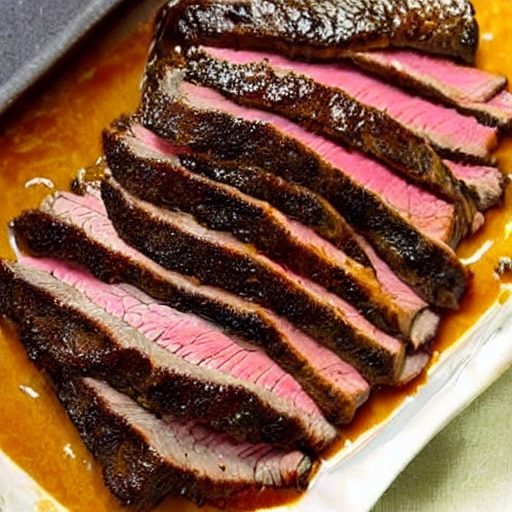
Once the brisket is cooked, let it rest for at least 30 minutes before slicing. Resting lets the juices redistribute through the meat, which keeps every slice moist. Slice against the grain of the meat to give thin slices that are easy to chew, and spoon some of the cooking liquid over the top.
Tips for tender brisket
Brisket rewards patience: it can feel firm for much of the cooking time and only turn tender near the end, so do not judge it too early. Keep the lid on as much as you can, because the cooker loses heat every time you check. A little fat on the cut is a good thing here — it bastes the meat from inside during the long cook, which is why very lean, heavily trimmed brisket can come out drier. When the brisket is done, the grain of the meat is easy to see; find that direction before you slice and cut across it, not along it. If the slices still feel chewy, the answer is usually more time rather than more heat — return the meat to the cooker and give it longer on low.
Serving and storage
Serve the sliced brisket hot with the sides of your choice, and let leftovers cool before refrigerating. Store leftovers in sealed containers in the fridge for 3–4 days — keeping some cooking liquid with the meat helps it stay moist — or freeze for up to 3 months. Thaw overnight in the refrigerator if frozen and reheat gently, covered, until piping hot throughout.
Nutrition note: protein comes mainly from the beef; check USDA FoodData Central for exact values for your cut and portion.
Quick questions
Can I cook brisket ahead? Yes — brisket is a good make-ahead main. Cook it, cool it, and store it in its cooking liquid following the guidance below; reheating it gently in that liquid keeps the slices moist, and the flavour holds up well.
How do I keep it gluten-free? Plain beef and plain spices are naturally gluten-free. If your rub is a bought blend, or you finish the brisket with a bottled sauce, check the label and choose a gluten-free version.
More slow-cooker recipes
For more slow-cooked beef, try our classic beef stew or the richer beef bourguignon. You can browse more ideas in our healthy food recipes collection.
Sources
- Healthy diet — WHO fact sheet
- USDA FoodData Central
- Dietary Guidelines for Indians (ICMR–National Institute of Nutrition)
By the FitNTip Editorial Team · Last updated: 23 February 2023
How FitNTip builds its guides: our articles are compiled from official public sources — including the Indian Food Composition Tables (ICMR–National Institute of Nutrition), USDA FoodData Central and the WHO healthy diet guidance — and reviewed against them when updated.
This article is educational and is not medical advice. If you have a medical condition, are pregnant, or plan a major change in diet or training, talk to your doctor first.
This article is for informational and educational purposes only. It does not constitute medical advice, diagnosis, or treatment. The information presented is researched from trusted sources including peer-reviewed scientific journals, CDC, NIH, WHO, and recognized health organizations. Always consult a qualified healthcare professional before making any changes to your diet, exercise routine, or health regimen.