Why I Feel Tired All the Time

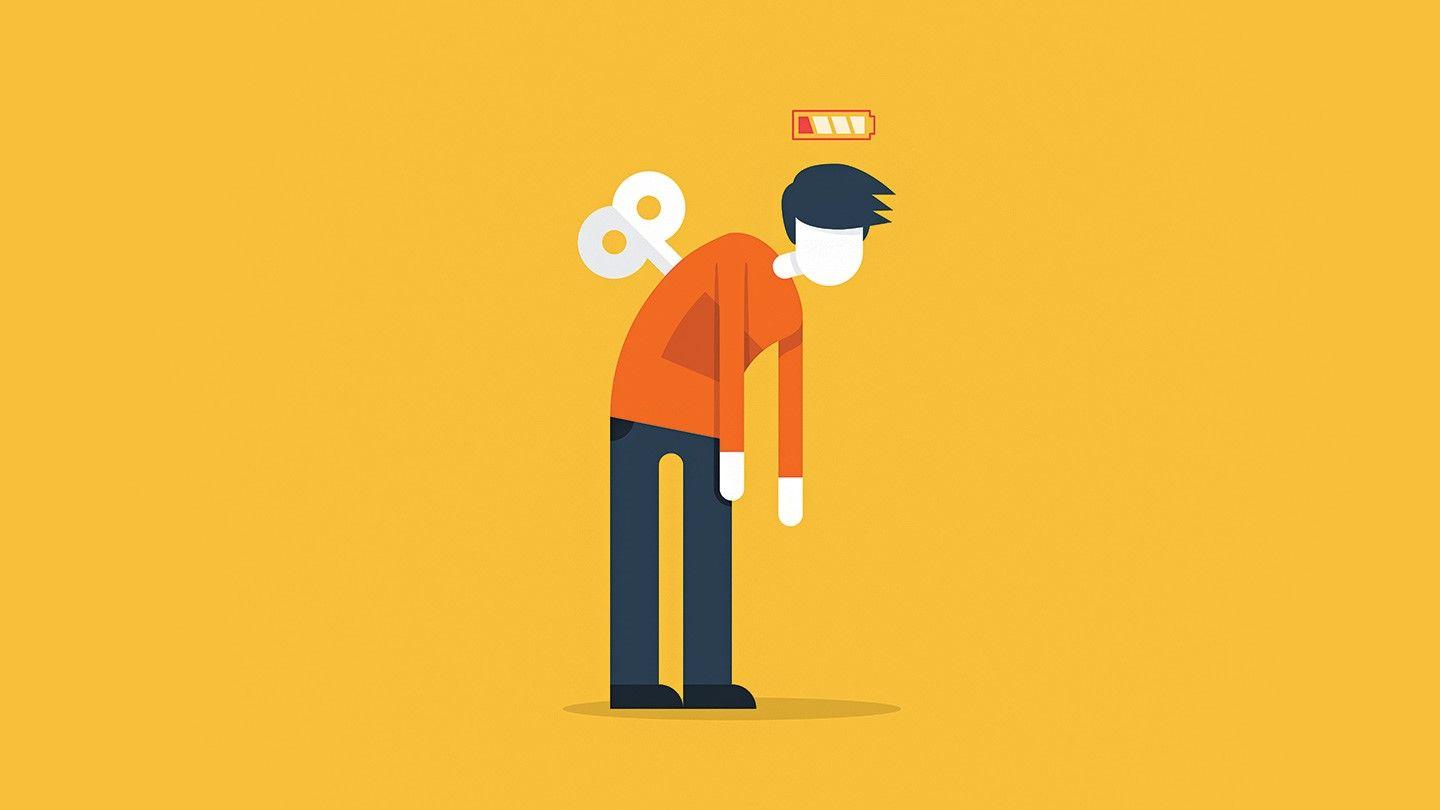
Feeling tired during the day is very common, and most of the time it is not something to joke about or simply push through. Occasional tiredness after a busy week is normal. But if you feel drained almost every day, and it starts to interfere with your work, your family life or your mood, it is worth looking at what is causing it – and, if it continues, seeing a doctor.
Many everyday factors can add up to constant tiredness, and so can some underlying health conditions. Below are six of the most common reasons people feel tired all the time, what you can do about each one, and the signs that mean you should get checked rather than just trying to rest more. For a deeper look at persistent exhaustion after illness, see our guide to what leading research says about fatigue, brain fog and illness.
6 Reasons Why You Might Feel Tired Constantly
1. Your diet
If you tend to skip meals, you may not be getting the energy you need to get through the day. Long gaps between meals can cause your blood sugar to drop, which reduces your energy and makes concentration harder.
Try not to skip meals. Eat regular, balanced meals, and keep healthy energy-supporting snacks for the times you start to feel sluggish. Good options include bananas, peanut butter, wholegrain crackers, dried fruit, and nuts. Very sugary snacks can give a quick lift followed by a sharper crash, so pair carbohydrates with some protein or healthy fat where you can.
2. A nutrient deficiency
Feeling drained constantly can also be a sign that you are low in an important nutrient. This could include low levels of vitamin D, vitamin B12, iron, magnesium, or potassium. A routine blood test can help identify a deficiency.
Your doctor may recommend a supplement if a deficiency is confirmed. You can also increase your intake of certain foods to help correct a deficiency naturally. For example, eggs, dairy, fish and meat are useful sources of vitamin B12, while leafy greens, dal, beans and jaggery-based foods contribute iron – though supplements should only be started on medical advice, not guesswork.
3. Lack of sleep
Late nights can seriously affect your energy level. Most adults need somewhere between seven and nine hours of sleep every night. If you regularly stay up late, you are putting yourself at risk of sleep deprivation, which builds up over time.
Practise better sleep routines to protect your energy. Go to bed earlier and take steps to improve the quality of your sleep: keep your room dark, quiet and comfortable, and avoid stimulating activities right before bed, such as vigorous exercise and screens. Our practical guides on how to fall asleep faster and 10 healthy sleep habits are a good place to start.
If your sleep does not improve with these self-care steps, talk to your doctor. You may need a sleep assessment to check for problems such as sleep apnoea, which can leave you unrefreshed even after a full night in bed.
4. Carrying extra weight
Being overweight can also cause tiredness. The more weight you carry, the harder your body has to work to complete everyday tasks like climbing stairs or cleaning.
Make a gradual plan to lose weight and improve your energy level. Start with light activity like walking or swimming, and slowly increase the intensity as your stamina allows. Eat more fresh fruit, vegetables and whole grains, and cut back on sugar, junk food and very fatty foods. Even modest, steady weight loss often improves daytime energy noticeably.
5. An inactive lifestyle
Physical activity can boost your energy level, while a sedentary lifestyle can do the opposite and leave you feeling depleted and drowsy – even though you have done very little. Sitting for most of the day also makes it harder to sleep well at night, which adds to next-day tiredness.
You do not need an intense workout to feel the benefit. A brisk walk, taking the stairs, or short movement breaks through the day all help. Build activity up gradually and aim to sit less overall, rather than relying on one long session to make up for an otherwise inactive day.
6. Stress
Chronic stress can cause headaches, muscle tension, stomach problems, and exhaustion.
When you are under pressure, your body goes into stress mode. This increases cortisol and adrenaline, which prepare your body to deal with the situation. In small doses, this response is normal and safe. With chronic or repeated stress, however, it takes a toll on your body’s resources, leaving you feeling drained.
Learning how to manage stress may improve your energy level. Start by setting limits, making realistic goals, and working on unhelpful thought patterns. Deep breathing and meditation can also help you stay calmer in stressful situations.
When to See a Doctor
See a doctor if your tiredness lasts for several weeks despite better sleep, food and activity, if it is getting worse, or if it comes with other symptoms such as unexplained weight change, breathlessness, palpitations, low mood, heavy or irregular periods, or feeling cold all the time. Persistent fatigue deserves a proper check-up – it is a symptom, not a diagnosis, and some of its causes are straightforward to treat once they are found.
At the appointment, your doctor will usually ask about your sleep, medicines, mood and general health, and may run some blood tests. Tests your doctor may run include:
- A complete blood count, to check for anaemia
- Iron and ferritin, to check your iron stores
- Thyroid function (TSH), to check for an underactive or overactive thyroid
- Vitamin B12 and vitamin D levels
- Blood sugar, to check for diabetes or pre-diabetes
Not everyone needs every test, and your doctor will decide which ones make sense for you. What matters is not to ignore fatigue that does not lift – and not to start supplements or treatment on your own before a cause is identified.
Finally, keep a simple note for a week or two before your appointment: when you sleep and wake, what you eat, your medicines, and when the tiredness is worst. Patterns that are hard to describe from memory become much clearer on paper, and it helps your doctor decide where to look first.
Sources
- Healthy diet — WHO fact sheet
- USDA FoodData Central
- Exercise and Physical Fitness — MedlinePlus
- Fatigue — MedlinePlus
- Sleep Deprivation and Deficiency — NHLBI (NIH)
Related guides
- What Leading Research Says About Fatigue, Brain Fog and Illness: The Real Consensus
- How Does Lack of Sleep Affect Your Mood? – Health
- Sleep Deprivation: The Silent Epidemic Undermining Our Health and Well-Being
By the FitNTip Editorial Team · Last updated: 2 February 2022
How FitNTip builds its guides: our articles are compiled from official public sources — including the Indian Food Composition Tables (ICMR–National Institute of Nutrition), USDA FoodData Central and the WHO healthy diet guidance — and reviewed against them when updated.
This article is educational and is not medical advice. If you have a medical condition, are pregnant, or plan a major change in diet or training, talk to your doctor first.
This article is for informational and educational purposes only. It does not constitute medical advice, diagnosis, or treatment. The information presented is researched from trusted sources including peer-reviewed scientific journals, CDC, NIH, WHO, and recognized health organizations. Always consult a qualified healthcare professional before making any changes to your diet, exercise routine, or health regimen.