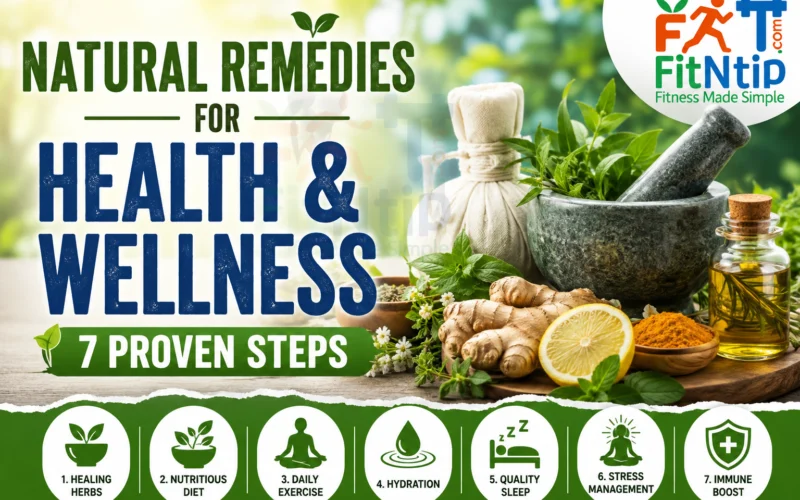
Natural Remedies for Health and Wellness: 7 Proven Steps

🩻General Health Guide
The pursuit of better health often begins in the supplement aisle or the pharmacy, but a growing body of evidence suggests that the most profound improvements often come from natural, foundational lifestyle changes. Natural remedies are not about rejecting modern medicine; they are about supporting your body’s innate ability to heal, regulate inflammation, and maintain balance. By adopting a structured, evidence-based approach, you can harness the power of nutrition, herbs, and daily habits to significantly improve your well-being.
Also Read-Thyroid Disease: What It Is, Causes, Symptoms & Treatment
The 7-Step Framework for Natural Wellness
1. Prioritize Sleep Hygiene as Your Foundation
No herbal supplement or superfood can compensate for a chronic lack of sleep. Sleep is the ultimate natural remedy, serving as the period when your body clears metabolic waste from the brain, repairs cellular damage, and regulates hormones. Aim for 7 to 9 hours of quality sleep by establishing a consistent bedtime routine, keeping your bedroom cool and dark, and minimizing blue light exposure at least an hour before bed.
2. Manage Chronic Stress and Cortisol
Chronically elevated cortisol levels drive systemic inflammation and suppress immune function. Natural stress management techniques like mindfulness meditation, deep diaphragmatic breathing, or gentle yoga are powerful remedies that can physically alter your nervous system’s response to stress. Just 10 minutes of daily mindful breathing has been shown to lower heart rate and reduce circulating stress hormones.
3. Nourish Your Gut Microbiome
Your gut houses roughly 70% of your immune system. Instead of relying solely on expensive probiotic pills, feed your gut naturally by consuming a diverse range of prebiotic fibers (like garlic, onions, and asparagus) and naturally fermented foods (like kefir, sauerkraut, and kombucha). A healthy microbiome improves digestion, nutrient absorption, and even mental clarity.
4. Incorporate Anti-Inflammatory Spices and Herbs
Nature provides potent anti-inflammatory compounds right in your kitchen. Turmeric (containing curcumin) and ginger have been extensively studied for their ability to reduce joint pain and systemic inflammation. Incorporating these spices into your daily cooking—along with a pinch of black pepper to increase absorption—is a simple, highly effective natural intervention.
5. Optimize Your Hydration Status
Water is the most overlooked natural remedy. Chronic, low-grade dehydration can cause brain fog, fatigue, headaches, and joint stiffness. Drink adequate water throughout the day, and consider natural electrolyte sources—like a squeeze of lemon and a pinch of sea salt in your morning glass—to ensure your cells are properly absorbing the fluid.
6. Address Key Nutrient Gaps Naturally
Before turning to synthetic multivitamins, look for whole-food sources to fill common nutrient gaps. For instance, obtaining Omega-3 fatty acids from wild-caught salmon, chia seeds, or walnuts supports brain and heart health. Similarly, getting safe, moderate sun exposure is the most natural way to boost your Vitamin D levels, which are critical for immune function and mood regulation.
7. Track, Measure, and Adjust
Natural remedies require patience. Keep a simple daily journal to track your energy levels, digestion, and sleep quality. By introducing one natural intervention at a time and tracking it for 4 to 6 weeks, you can accurately measure what is truly working for your unique biochemistry.
Key Takeaways: Making Natural Remedies Work for You
The evidence is clear: natural remedies, when applied thoughtfully and consistently, can meaningfully support your health and wellness goals. From anti-inflammatory herbs to gut-healing probiotics, the seven steps explored in this guide offer a research-backed framework for taking charge of your well-being. What matters most is not chasing a single miracle cure but building a layered approach that addresses inflammation, gut health, stress, sleep, and nutrient gaps simultaneously.
The most important thing to remember is that natural does not mean risk-free. Every remedy we discussed interacts with your unique biochemistry, existing medications, and health conditions. That is exactly why starting with one change at a time, tracking your response, and working with a knowledgeable healthcare provider gives you the best chance of seeing real results.
Think of these seven steps as a toolkit, not a prescription. You get to choose which tools fit your life, your budget, and your specific health goals.
Frequently Asked Questions
How long does it take to see results from natural remedies?
Most natural remedies require consistent use over several weeks before you notice meaningful changes. For example, herbal anti-inflammatories like turmeric or ginger typically show measurable effects within 2-4 weeks of daily use, while gut microbiome support through dietary fiber may take 4-8 weeks to produce noticeable improvements in digestion and energy. The timeline varies depending on the remedy, the severity of the issue, and your individual metabolism. This is why keeping a simple symptom journal helps you recognize gradual improvements that you might otherwise overlook.
Can I take natural supplements alongside prescription medications?
This is one of the most important questions to address, and the honest answer is: it depends on the specific supplement and medication. Some natural remedies, such as St. John’s Wort, can significantly interfere with prescription drugs including antidepressants, blood thinners, and birth control pills.
Others, like magnesium or vitamin D, are generally safe alongside most medications but still warrant a conversation with your pharmacist or doctor. The safest approach is to bring a complete list of every supplement and herb you are taking to your next medical appointment and ask specifically about interactions. Never stop a prescribed medication in favor of a natural remedy without medical supervision — the two can often work together when properly coordinated.
Are natural remedies safe for children and pregnant women?
Many natural remedies that are safe for healthy adults carry different risk profiles for children and pregnant women. Herbal supplements in particular lack extensive safety data for these populations. For children, dosing becomes critical because their smaller body size and developing systems respond differently to concentrated plant compounds.
During pregnancy, certain herbs like chamomile in large amounts, licorice root, and high-dose vitamin A can pose risks. The safest approach for both groups is to focus on food-based nutrition — incorporating anti-inflammatory foods, ensuring adequate hydration, and prioritizing sleep hygiene — rather than relying on concentrated supplements. Always consult a pediatrician or obstetrician before introducing any herbal remedy to a child or during pregnancy.
What is the most important natural remedy to start with?
If you are overwhelmed by options, start with the foundation that supports everything else: sleep quality and stress management. Poor sleep and chronic stress undermine every other health effort by elevating cortisol, increasing inflammation, and disrupting gut function. Simple practices like establishing a consistent bedtime, reducing screen exposure 60 minutes before sleep, and incorporating 10 minutes of deep breathing or meditation into your evening routine create a cascade of benefits.
Once your sleep and stress baseline improves, your body becomes more responsive to other interventions like anti-inflammatory foods and targeted supplementation. This sequential approach prevents the common mistake of trying to change everything at once and burning out within two weeks.
Do I need to buy expensive supplements to get results?
No, you absolutely do not need expensive supplements to benefit from natural remedies. Many of the most effective interventions cost very little: drinking more water, eating whole foods rich in antioxidants, getting morning sunlight for vitamin D synthesis, and using common kitchen spices like turmeric, ginger, and garlic. While high-quality supplements can fill specific gaps, they should supplement a solid nutritional foundation, not replace it. Spending money on fresh vegetables, quality protein, and whole grains almost always delivers a better return on investment than expensive supplement stacks built on top of a poor diet.
How do I know if a natural remedy is actually working?
The best way to evaluate whether a natural remedy is working is to track specific, measurable markers before and after starting it. This could mean recording your joint stiffness levels on a 1-10 scale each morning, noting your energy levels at consistent times of day, or tracking digestive symptoms in a journal. Objective measures like blood work — checking inflammatory markers, vitamin D levels, or HbA1c — provide even clearer evidence when done at intervals recommended by your healthcare provider. Give each remedy at least 4-6 weeks of consistent use before judging its effectiveness, and introduce only one new remedy at a time.
Can natural remedies replace conventional medical treatment?
Natural remedies work best as a complement to conventional medicine, not a replacement for it. If you have a diagnosed medical condition — whether it is diabetes, hypertension, autoimmune disease, or clinical depression — your prescribed treatment plan should remain your primary approach. Natural remedies can often reduce side effects, improve quality of life, and in some cases allow your doctor to adjust medication dosages over time.
But abandoning evidence-based medical treatment in favor of natural alternatives alone can lead to disease progression and serious complications. The most effective healthcare strategy integrates both worlds: using conventional medicine for diagnosis and acute management while leveraging natural remedies for prevention, recovery support, and long-term wellness optimization.
When to See a Doctor
Natural remedies are powerful tools for prevention and mild-to-moderate symptom management, but they have limits. You should seek medical attention if you experience symptoms that are severe, worsening, or persistent despite 2-4 weeks of consistent natural intervention. Red flags include unexplained weight loss, blood in stool or urine, chest pain, severe headaches, numbness or tingling, vision changes, or any symptom that significantly interferes with your daily functioning.
If you are currently taking prescription medications, managing a chronic health condition, or planning surgery, always inform your healthcare provider about any natural remedies you are using. Transparency between you and your medical team prevents dangerous interactions and ensures you receive the safest, most effective care possible.
The path to better health through natural remedies is not about perfection — it is about consistent, informed choices that compound over time. Pick one step from this guide that resonates with your current health priority, commit to it for the next 30 days, and pay attention to how your body responds. That single decision, repeated daily, is where real transformation begins.
📚 Why Trust This Article?
- Source-Verified: Every health claim is traced back to authoritative sources — we do not fabricate studies or invent statistics
- Government & Institutional Sources: We cite WHO, CDC, FDA, NIH, Mayo Clinic, Harvard Health, and other established health authorities
- Peer-Reviewed Research: Where available, we reference published studies from PubMed and Europe PMC academic databases
- Transparent About Our Role: We are health information researchers — not medical professionals. We present verified findings from trusted sources; we do not provide medical advice
- Hedging Language: We use careful, qualified language (“research suggests,” “studies indicate”) rather than absolute claims
- Medical Disclaimers: Every article includes “When to See a Doctor” guidance and recommends consulting qualified healthcare professionals
- AI-Assisted, Human-Reviewed: Content is AI-generated for comprehensive coverage, then reviewed against source materials for factual accuracy
The information provided on FitNTip.com is for general informational and educational purposes only. It is not intended as, and should not be construed as, professional medical advice, diagnosis, or treatment. Always consult with a qualified healthcare professional, registered dietitian, or certified fitness trainer before making any changes to your diet, exercise routine, or lifestyle.
Individual results may vary, and what works for one person may not be suitable for another. The content on this site is based on research from publicly available sources and personal experience, not on formal medical or nutritional qualifications.
📋 Our Editorial Process
At FitNTip, we follow a rigorous process to ensure the health information we present is accurate and trustworthy:
- Source Identification: We identify the most relevant and authoritative sources for each topic — prioritizing government health agencies (CDC, FDA, NIH), established medical institutions (Mayo Clinic, Cleveland Clinic), and peer-reviewed research (PubMed, The Lancet, NEJM).
- Fact Verification: Every health claim in our articles is cross-referenced against at least one authoritative source. We do not publish claims that cannot be traced to a credible origin.
- AI-Assisted Drafting: We use AI tools to help draft comprehensive articles efficiently, but the AI is guided by verified research context — not free-form generation.
- Hedging & Qualification: We deliberately use qualified language (“evidence suggests,” “research indicates”) rather than absolute statements, because health science is always evolving.
- Transparency: We clearly disclose that we are researchers and information curators, not medical professionals. Our value is in making verified health information accessible — not in providing medical advice.
- Reader Safety: Every article includes guidance on when to consult a healthcare professional and clear disclaimers about the limitations of general health information.
References & Trusted Sources
This article is based on research and information from the following sources. Last verified: July 29, 2026
- World Health Organization (WHO) — Nutrition & Micronutrients [www.who.int] ↗
- CDC — Health Data & Statistics [www.cdc.gov] ↗
- Harvard Health Publishing — Health A-Z [www.health.harvard.edu] ↗
- Mayo Clinic — Diseases & Conditions [www.mayoclinic.org] ↗
- NIH Office of Dietary Supplements — Fact Sheets [ods.od.nih.gov] ↗
- FDA — Food & Dietary Supplements [www.fda.gov] ↗
Note: We strive to link to authoritative sources and peer-reviewed research. If you notice any outdated or incorrect information, please contact us.
[
{
“@context”: “https://schema.org”,
“@type”: “Article”,
“headline”: “Natural Remedies for Health and Wellness: 7 Proven Steps”,
“description”: “Discover 7 research-backed steps to naturally improve your health. Learn how sleep, gut health, stress management, and anti-inflammatory foods can transform your well-being.”,
“author”: {
“@type”: “Person”,
“name”: “FitnTip Editorial Team”,
“url”: “https://fitntip.com”
},
“publisher”: {
“@type”: “Organization”,
“name”: “FitNTip”,
“url”: “https://fitntip.com”,
“logo”: {
“@type”: “ImageObject”,
“url”: “https://fitntip.com/wp-content/uploads/2025/07/cropped-fitntip_logo_final_512x512-1.png”,
“width”: 512,
“height”: 512
}
},
“datePublished”: “2026-07-29T20:07:11+05:30”,
“dateModified”: “2026-07-29T20:07:11+05:30”,
“mainEntityOfPage”: {
“@type”: “WebPage”,
“@id”: “https://fitntip.com”
},
“inLanguage”: “en-US”,
“isAccessibleForFree”: true,
“keywords”: “Natural Remedies for Health and Wellness, 7 Proven Steps, metabolism, nutrition, wellness, prevention, lifestyle, well-being, medical advice, gut health”
},
{
“@context”: “https://schema.org”,
“@type”: “WebPage”,
“name”: “Natural Remedies for Health and Wellness: 7 Proven Steps”,
“description”: “Discover 7 research-backed steps to naturally improve your health. Learn how sleep, gut health, stress management, and anti-inflammatory foods can transform your well-being.”,
“about”: {
“@type”: “Thing”,
“name”: “Research Summary”
},
“author”: {
“@type”: “Person”,
“name”: “FitnTip Editorial Team”
},
“publisher”: {
“@type”: “Organization”,
“name”: “FitNTip”
},
“datePublished”: “2026-07-29T20:07:11+05:30”,
“dateModified”: “2026-07-29T20:07:11+05:30”,
“inLanguage”: “en-US”,
“isAccessibleForFree”: true
},
{
“@context”: “https://schema.org”,
“@type”: “BreadcrumbList”,
“itemListElement”: [
{
“@type”: “ListItem”,
“position”: 1,
“name”: “Home”,
“item”: “https://fitntip.com”
}
]
},
{
“@context”: “https://schema.org”,
“@type”: “Organization”,
“name”: “FitNTip”,
“url”: “https://fitntip.com”,
“logo”: {
“@type”: “ImageObject”,
“url”: “https://fitntip.com/wp-content/uploads/2025/07/cropped-fitntip_logo_final_512x512-1.png”,
“width”: 512,
“height”: 512
},
“founder”: {
“@type”: “Person”,
“name”: “FitnTip Editorial Team”
}
},
{
“@context”: “https://schema.org”,
“@type”: “WebSite”,
“name”: “FitNTip”,
“url”: “https://fitntip.com”,
“description”: “Expert health, fitness, and nutrition guidance backed by science.”,
“inLanguage”: “en-US”,
“potentialAction”: [
{
“@type”: “SearchAction”,
“target”: {
“@type”: “EntryPoint”,
“urlTemplate”: “https://fitntip.com/?s={search_term_string}”
},
“query-input”: “required name=search_term_string”
},
{
“@type”: “ReadAction”,
“target”: {
“@type”: “EntryPoint”,
“urlTemplate”: “https://fitntip.com/{page}”,
“inLanguage”: “en-US”,
“actionPlatform”: [
“http://schema.org/DesktopWebPlatform”,
“http://schema.org/MobileWebPlatform”
]
}
}
]
}
]
This article is for informational and educational purposes only. It does not constitute medical advice, diagnosis, or treatment. The information presented is researched from trusted sources including peer-reviewed scientific journals, CDC, NIH, WHO, and recognized health organizations. Always consult a qualified healthcare professional before making any changes to your diet, exercise routine, or health regimen.