PCOD Diet Chart for Weight Loss: Indian Meals That Work With Your Body

C.K. Gupta · All calorie and protein values below are approximations based on standard Indian food values (IFCT 2017 and USDA FoodData Central); adjust portions to your body, activity level, and doctor’s advice.
Quick answer: There is no single “PCOD diet”. What helps most women with PCOD lose weight steadily is the same plate, fixed three ways: protein at every meal, slow carbs instead of fast ones, and fibre high enough that you stay full. This chart builds that plate from everyday vegetarian Indian food — dal, sabzi, curd, sprouts, paneer — at roughly 1,500–1,700 kcal a day with about 55–65g of protein, the same framework as our 7-day Indian diet chart for weight loss. It is general, educational guidance. PCOD is a medical condition — if you take medicine for it, or have diabetes, thyroid or fertility treatment going on, check this plan with your doctor or a registered dietitian before following it.
Why weight loss is harder with PCOD — and why it still works
Many women with PCOD have some insulin resistance: the body needs more insulin to handle the same carbohydrate load, and high insulin makes fat loss slower and hunger stronger. That is the whole story behind this chart. It does not “cure” PCOD, and no food on this page reverses it. What it does is keep blood sugar steadier across the day, so insulin spikes less, hunger stays manageable, and a modest calorie deficit becomes something you can actually sustain for weeks.
Two things this chart deliberately does NOT do: it does not cut out whole food groups, and it does not promise a number on the scale by a date. Crash diets fail hardest exactly where PCOD makes things hardest.
The 5 plate rules
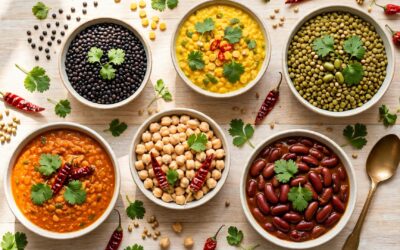
- Protein at every meal. Aim for a protein anchor at breakfast, lunch and dinner — dal, paneer, curd, sprouts, soya or eggs. Protein keeps you full and protects muscle while you lose fat. For the exact per-100g values of Indian dals, see our dal nutrition chart.
- Slow carbs, not no carbs. Roti, brown rice, millets, oats and whole moong beat white rice, maida, biscuits and fruit juice. Same calories, much steadier blood sugar.
- Fibre first. A katori of sabzi and a bowl of salad at lunch and dinner. Fibre slows digestion and feeds the gut — and it is the cheapest way to feel full on fewer calories.
- Cut the liquid sugar. Sweetened chai, cold drinks, packaged juices and “healthy” flavoured milk are the fastest way to spike blood sugar. Unsweetened chai, buttermilk and green tea replace them without a fight.
- One plate, five small meals. Breakfast, mid-morning snack, lunch, evening snack, dinner — the same rhythm as our 7-day chart. Long gaps between meals make the next meal a binge.
The 7-day PCOD diet chart (vegetarian, Indian)
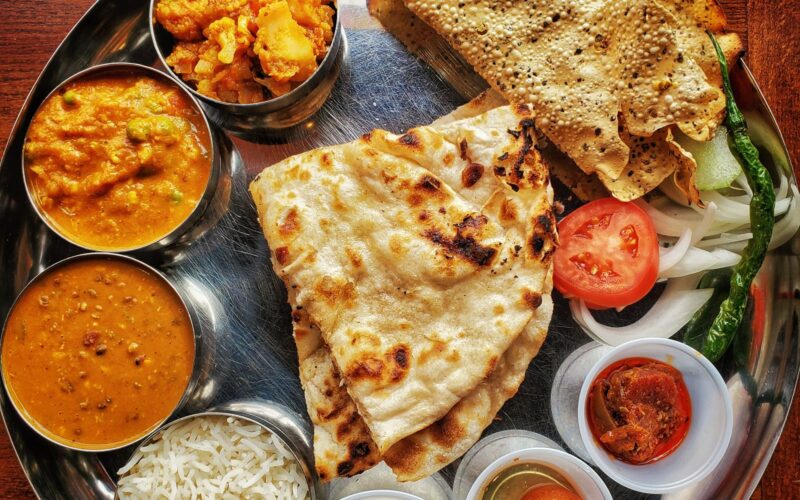
Portion guide: 1 katori ≈ 150 ml; 1 medium roti uses about 30g of flour; “1 plate” is a normal home plate, not a thali piled high. Each day lands at roughly 1,500–1,700 kcal with about 55–65g protein — a gentle deficit, not a crash diet.
| Day | Breakfast | Mid-morning | Lunch | Evening snack | Dinner |
|---|---|---|---|---|---|
| Day 1 | Vegetable poha with peanuts + curd (1 katori) | 1 apple or seasonal fruit | 2 roti + masoor dal (1 katori) + sabzi + salad + curd | Roasted chana (small bowl) + green tea | Moong dal khichdi (1 plate) + salad |
| Day 2 | Besan chilla (2) + curd | Sprouts salad (1 katori) | 2 roti + rajma + sabzi + salad + buttermilk | 1 fistful mixed nuts + unsweetened chai | Palak paneer + 1 roti + salad |
| Day 3 | Oats upma with vegetables | 1 orange or guava | 2 roti + chole + sabzi + salad + curd | Roasted makhana (small bowl) | Vegetable daliya + curd |
| Day 4 | Idli (2) + sambar (1 katori) | Buttermilk + 1 fistful roasted chana | 2 roti + toor dal + sabzi + salad + curd | Sprouts chaat (1 katori) | Moong dal + 1 roti + sabzi |
| Day 5 | Paneer bhurji + 1 roti | 1 pear or seasonal fruit | 2 roti + urad dal + sabzi + salad + buttermilk | Green tea + 2 whole-grain crackers | Vegetable khichdi + curd + salad |
| Day 6 | Vegetable daliya + curd | Sprouts salad (1 katori) | 2 roti + moong dal + sabzi + salad + curd | Roasted chana + unsweetened chai | Palak dal + 1 roti + sabzi |
| Day 7 | Besan chilla (2) + curd | 1 apple | 2 roti + dal makhani (light, 1 katori) + sabzi + salad | Makhana + green tea | Light khichdi + curd + salad |
Foods to favour — and foods to limit
Favour: all dals and legumes, paneer, curd and buttermilk, sprouts, soya, seasonal vegetables, whole grains and millets, nuts and seeds in small portions, unsweetened drinks.
Limit, don’t ban: white rice in large portions, maida (bread, biscuits, bakery), fried snacks, sweets and desserts, packaged juices and cold drinks, and “diet” foods that are mostly sugar. If you take metformin for PCOS, read our guide to foods to avoid when taking metformin alongside this chart — medicine and food work together, and your doctor’s advice comes first.
Movement matters as much as the plate
For PCOD, the highest-return movement is the simplest: a brisk 30-minute walk most days, plus two short strength sessions a week (bodyweight squats, wall push-ups, glute bridges at home). Muscle improves insulin sensitivity directly. Sleep matters too — short, broken sleep raises hunger hormones the next day, so a fixed sleep window is part of the plan, not an extra.
FAQ
Can a diet chart cure PCOD? No. Diet and movement manage weight and insulin resistance, which helps symptoms — but PCOD itself needs medical care. Any claim that a food “cures” PCOD is a red flag.
Do I have to give up rice? No. Keep rice, shrink the portion (about 1 katori cooked), and pair it with dal and sabzi so the meal is not carbohydrate alone.
How fast should weight come off? A steady 0.5 kg a week is a good, sustainable pace. Faster usually means muscle and water, not fat — and it rarely stays off.
This guide is educational and is not medical advice. If you have PCOD, diabetes, thyroid, kidney or heart issues, or you are pregnant, breastfeeding, or under 18, talk to your doctor or a registered dietitian before following it.
Sources
- Indian Food Composition Tables (IFCT 2017) — National Institute of Nutrition, ICMR.
- USDA FoodData Central — U.S. Department of Agriculture.
- Dietary Guidelines for Indians — National Institute of Nutrition, ICMR.
- WHO healthy diet fact sheet.
This article is for informational and educational purposes only. It does not constitute medical advice, diagnosis, or treatment. The information presented is researched from trusted sources including peer-reviewed scientific journals, CDC, NIH, WHO, and recognized health organizations. Always consult a qualified healthcare professional before making any changes to your diet, exercise routine, or health regimen.