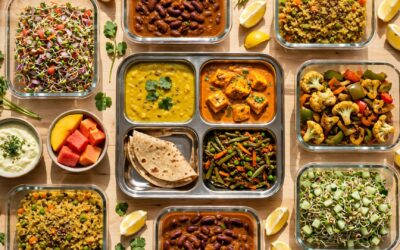
South Indian Diet Plan for Weight Loss: 7 Days of Idli, Dosa and Sambar — Portioned Right

C.K. Gupta · All calorie and protein values below are approximations based on standard Indian food values (IFCT 2017 and USDA FoodData Central); adjust portions to your body, activity level, and doctor’s advice.
Quick answer: A South Indian diet plan for weight loss does not need you to give up idli, dosa or rice. It needs three fixes: shrink the rice portion, put dal and vegetables at the centre of every meal, and keep protein visible on the plate. This 7-day vegetarian plan does exactly that — idli and dosa for breakfast, sambar and rasam for lunch, millet swaps where they fit — at roughly 1,500–1,700 kcal a day with about 55–65g of protein, the same framework as our 7-day Indian diet chart for weight loss. It is general, educational guidance. If you have diabetes, thyroid, kidney or heart issues, or you are pregnant, breastfeeding, or under 18, check with a doctor or registered dietitian before following it.
Why South Indian food is already halfway there
South Indian cooking has three built-in advantages for weight loss. First, fermentation: idli and dosa batters are fermented, which makes them easier to digest and keeps you full longer than the same quantity of plain rice. Second, sambar is a complete meal in a bowl — dal for protein, vegetables for fibre, and spices for flavour without calories. Third, the cuisine already leans on millets: ragi (finger millet) is a traditional South Indian staple, and swapping it in for some rice is not a “diet hack”, it is going back to how the food used to be cooked.
The trap is not the cuisine — it is the portion. A mound of white rice with a little sambar on the side, a second dosa with extra ghee, filter coffee loaded with sugar: those three habits add up to far more calories than the food itself suggests.
The 5 portion rules
- Rice: 1 katori cooked, not a mound. Pair it with a full katori of sambar and a katori of poriyal (stir-fried vegetables). The dal and vegetables should cover more of the plate than the rice.
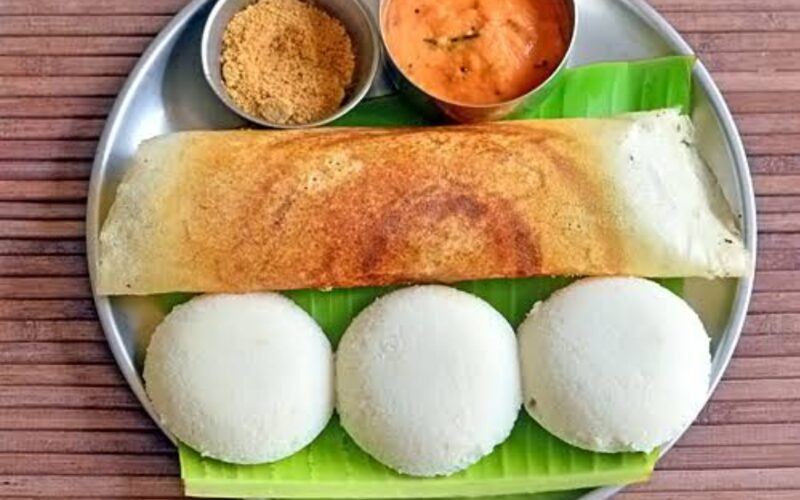
- Dosa: 1 medium, with sambar — not 2 with extra ghee. A plain dosa with sambar and chutney is a reasonable meal. The second dosa and the ghee are where the calories hide.
- Protein at every meal. Sambar (dal), curd, buttermilk, sprouts, paneer, soya and eggs. For the exact per-100g protein values of Indian dals, see our dal nutrition chart.
- Millets twice a week. Ragi dosa, ragi idli or a millet upma replaces rice or wheat on two days — more fibre, slower digestion, same familiar taste.
- Filter coffee without sugar, or with less. Sweetened filter coffee twice a day is a dessert you drink. Unsweetened coffee, buttermilk or green tea does the same job.
Prefer reading in Telugu? Our weight loss guide in Telugu covers the same science for Telugu-speaking readers.
The 7-day South Indian diet plan (vegetarian)
Portion guide: 1 katori ≈ 150 ml; 1 medium dosa is one normal-sized dosa from a home tawa; “1 plate” is a normal home plate. Each day lands at roughly 1,500–1,700 kcal with about 55–65g of protein — a gentle deficit, not a crash diet.
| Day | Breakfast | Mid-morning | Lunch | Evening snack | Dinner |
|---|---|---|---|---|---|
| Day 1 | Idli (2) + sambar (1 katori) + chutney | 1 banana or seasonal fruit | Rice (1 katori) + sambar (1 katori) + poriyal + curd + salad | Sprouts salad (1 katori) + buttermilk | Rava dosa (1, light oil) + sambar |
| Day 2 | Pesarattu (moong dosa, 1) + ginger chutney | Buttermilk + roasted chana (small bowl) | Rice (1 katori) + rasam + poriyal + curd + 1 katori dal | Roasted makhana (small bowl) + green tea | Idli (2) + sambar + salad |
| Day 3 | Ragi dosa (1) + sambar | 1 guava or orange | Millet (ragi/kodo) rice (1 katori) + sambar + poriyal + curd | Sprouts chaat (1 katori) | Vegetable upma (1 plate) + curd |
| Day 4 | Vegetable upma (1 plate) + curd | 1 apple | Rice (1 katori) + sambar + beans poriyal + curd + salad | 1 fistful mixed nuts + unsweetened filter coffee | Pesarattu (1) + sambar |
| Day 5 | Idli (2) + sambar + chutney | Buttermilk + 1 fistful roasted chana | Rice (1 katori) + rasam + cabbage poriyal + curd + salad | Roasted chana + green tea | Ragi dosa (1) + sambar + salad |
| Day 6 | Dosa (1, plain) + sambar + chutney | Sprouts salad (1 katori) | Rice (1 katori) + sambar + poriyal + curd + buttermilk | Makhana (small bowl) + unsweetened filter coffee | Vegetable khichdi (South style, 1 plate) + curd |
| Day 7 | Pongal (light, 1 plate) + sambar | 1 seasonal fruit | Rice (1 katori) + rasam + poriyal + curd + salad | Sprouts chaat + buttermilk | Idli (2) + sambar + salad |
Easy swaps that save the most calories
| Instead of | Try | Why it works |
|---|---|---|
| 2–3 katori white rice | 1 katori rice + 1 katori sambar + poriyal | Same full plate, fewer calories, more protein and fibre |
| Ghee dosa, second dosa | 1 plain dosa + sambar | The second dosa and ghee add calories without adding fullness |
| Sweet filter coffee (2× a day) | Unsweetened coffee or buttermilk | Liquid sugar is the easiest calorie to cut |
| Fried snacks (murukku, mixture) | Roasted chana, makhana, sprouts chaat | Crunch without the deep-fried oil |
| White-rice-only dinner | Idli + sambar, or ragi dosa | Fermented and millet options digest slower and keep you full |
What about non-veg?
This plan is vegetarian, but the same rules carry over: a chicken or fish curry with 1 katori of rice and a full portion of vegetables fits the plan exactly as written. Keep the rice portion fixed and let the protein and vegetables do the work.
FAQ
Do I have to stop eating rice? No. Rice stays — the portion shrinks to about 1 katori cooked, and sambar, dal and vegetables fill the rest of the plate.
Is dosa good for weight loss? A plain dosa with sambar is a reasonable meal. A ghee dosa, or two dosas with extra chutney and potato masala, is a much heavier one. The dosa is not the problem; the extras are.
Can I follow this if I live outside South India? Yes — idli, dosa, sambar and rasam are available in most Indian cities and easy to cook at home. The plan is about the foods and portions, not the pin code.
This guide is educational and is not medical advice. If you have a medical condition, are pregnant, or plan a major change in diet or training, talk to your doctor first.
Sources
- Indian Food Composition Tables (IFCT 2017) — National Institute of Nutrition, ICMR.
- USDA FoodData Central — U.S. Department of Agriculture.
- Dietary Guidelines for Indians — National Institute of Nutrition, ICMR.
- WHO healthy diet fact sheet.
This article is for informational and educational purposes only. It does not constitute medical advice, diagnosis, or treatment. The information presented is researched from trusted sources including peer-reviewed scientific journals, CDC, NIH, WHO, and recognized health organizations. Always consult a qualified healthcare professional before making any changes to your diet, exercise routine, or health regimen.