Flaxseed Oil vs. Fish Oil: Which Is Better for Your Health?

🩻General Health Guide
Evidence-based information you can trust
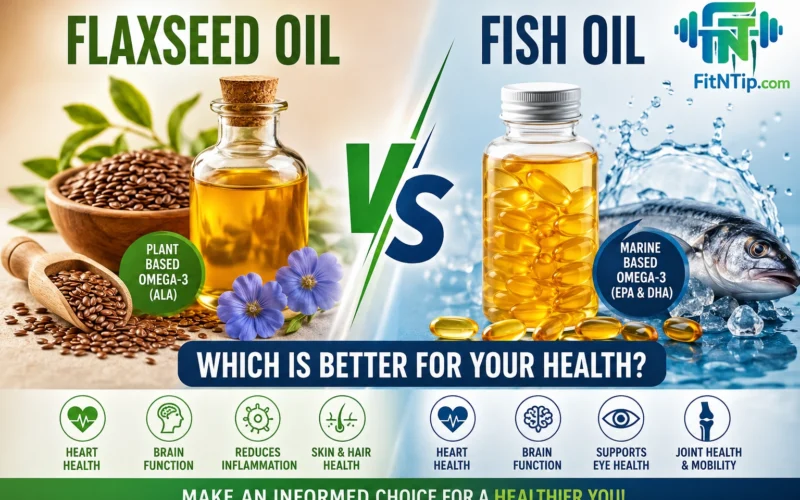
The omega-3 supplement aisle has become one of the most confusing sections of any health store, and for good reason. Americans now spend over $1.2 billion annually on omega-3 supplements, yet a significant portion of those consumers are taking a form that their bodies may barely be able to use. That is the uncomfortable truth at the heart of the Flaxseed Oil vs. Fish Oil: Which Is Better debate.
Flaxseed oil contains alpha-linolenic acid (ALA), a plant-based omega-3 that your body must convert into the active forms EPA and DHA before it can deliver most of the cardiovascular and cognitive benefits people are looking for. The problem? Research published in the American Journal of Clinical Nutrition suggests that humans convert ALA to EPA at a rate of only about 5-10%, and to DHA at an even lower rate of roughly 2-5%.
Fish oil, by contrast, delivers EPA and DHA directly, bypassing that inefficient conversion process entirely. This single biochemical difference is what drives the entire comparison, and understanding it could save you from spending months taking a supplement that looks impressive on paper but delivers minimal results at the cellular level.
The confusion between these two oils is not just academic — it has real consequences for your health strategy. Someone dealing with chronic inflammation, elevated triglycerides, or joint stiffness might reach for flaxseed oil because it is plant-based, shelf-stable, and widely marketed as a superfood. They are not wrong that flaxseed oil has genuine nutritional value. It is one of the richest plant sources of ALA, and some research suggests that regular ALA intake supports heart health and may reduce the risk of certain chronic conditions.
But when you stack it against fish oil’s direct delivery of EPA and DHA — the forms your brain, eyes, and cardiovascular system actually prefer to use — the comparison reveals a significant gap in bioavailability. The National Institutes of Health has noted that while ALA is an essential fatty acid, EPA and DHA carry the bulk of the clinically demonstrated benefits for reducing inflammation, supporting cognitive function, and maintaining healthy triglyceride levels.
Also Read-In Search of Clarity on Supplements: Five Myths Worth Busting
This does not mean flaxseed oil is useless. It means the two oils serve different roles, and choosing the wrong one for your specific health goal could mean the difference between meaningful progress and expensive urine.
What makes this comparison especially relevant right now is the growing number of people trying to optimize their omega-3 intake without relying on marine sources. Vegans, vegetarians, and those with fish allergies often default to flaxseed oil as their primary omega-3 source, and they deserve honest information about what that choice actually delivers. At the same time, sustainability concerns and questions about heavy metal contamination in fish products have pushed some consumers toward plant-based alternatives.
The reality is nuanced. Flaxseed oil offers a legitimate omega-3 source that supports general wellness, particularly when consumed as part of a diet rich in other plant-based nutrients. Fish oil, especially high-quality, third-party tested fish oil, provides a concentrated dose of the specific omega-3 fatty acids that have been most extensively studied for heart, brain, and metabolic health.
Neither option is universally “better” — but one is almost certainly better for your specific situation, and that is what we are here to figure out.
The Fundamental Difference: ALA vs. EPA and DHA
To understand why this comparison matters, you need to understand the three main types of omega-3 fatty acids and how they behave inside your body. ALA, found abundantly in flaxseed oil as well as chia seeds and walnuts, is considered an essential fatty acid because your body cannot produce it on its own. You must get it from food or supplements.
Once consumed, your liver works to convert ALA into EPA (eicosapentaenoic acid) and then into DHA (docosahexaenoic acid). These are the forms that actually get incorporated into cell membranes, reduce inflammatory signaling, and support brain structure. The conversion process is slow, competitive, and heavily influenced by your overall diet, genetics, and omega-6 intake.
A diet high in omega-6 fatty acids — common in Western eating patterns heavy in vegetable oils and processed foods — further suppresses the enzymes responsible for this conversion.
EPA and DHA, the omega-3s found directly in fish oil, are the end products of that conversion chain. When you take fish oil, you are giving your body the finished compounds it needs without requiring it to do the metabolic work of converting ALA first. This is why the American Heart Association recommends eating fatty fish at least twice per week for cardiovascular protection — they are recommending direct EPA and DHA intake, not ALA.
A 2021 review published in Nutrients highlighted that while ALA consumption is associated with modest cardiovascular benefits, the evidence for EPA and DHA is substantially stronger, particularly for reducing triglycerides, lowering blood pressure, and decreasing systemic inflammation. The distinction is not trivial. It is the difference between giving your body the raw materials and giving it the finished product.
| Factor | Flaxseed Oil (ALA) | Fish Oil (EPA/DHA) |
|---|---|---|
| Omega-3 Type | Alpha-linolenic acid (ALA) | Eicosapentaenoic acid (EPA) + Docosahexaenoic acid (DHA) |
| Conversion Required | Yes — body must convert ALA to EPA/DHA | No — used directly by the body |
| Conversion Rate | ~5-10% to EPA, ~2-5% to DHA | N/A — already in active form |
| Primary Benefits | General wellness, modest heart support | Anti-inflammatory, brain health, triglyceride reduction |
| Best For | Vegans, vegetarians, general omega-3 maintenance | Targeted inflammation, cardiovascular support, cognitive health |
| Typical Serving | 1 tablespoon (≈7 g ALA) | 1-2 softgels (≈300-600 mg combined EPA/DHA) |
Why Your Choice Depends on Your Health Goals
The “better” supplement is always the one aligned with what your body actually needs. If you are a healthy individual looking to maintain general omega-3 intake and you follow a plant-based diet, flaxseed oil is a reasonable and accessible choice. It provides a meaningful amount of ALA, and some research suggests that consistent ALA consumption over time can contribute to cardiovascular health, particularly when it replaces saturated fats in the diet.
A study published in The American Journal of Clinical Nutrition found that higher ALA intake was associated with a reduced risk of fatal coronary heart disease, though the effect was more modest compared to direct EPA and DHA consumption. Flaxseed oil also contains lignans, plant compounds with antioxidant properties that fish oil does not offer, giving it a unique nutritional profile beyond just its omega-3 content.
But if you are dealing with a specific health concern — elevated triglycerides, chronic joint inflammation, mood disorders, or cognitive decline — the evidence tilts heavily toward fish oil. The reason is straightforward: these conditions respond to EPA and DHA specifically, not to ALA. A meta-analysis published in the Journal of the American Heart Association demonstrated that EPA and DHA supplementation significantly reduced triglyceride levels in individuals with elevated baseline numbers, a benefit that has not been consistently replicated with ALA alone.
Similarly, research on omega-3s and brain health, including studies on depression and age-related cognitive decline, has focused almost exclusively on EPA and DHA because these are the forms that cross the blood-brain barrier and integrate into neuronal membranes. Your brain is literally built from DHA — it makes up roughly 40% of the polyunsaturated fatty acids in brain cell membranes. No amount of ALA can replicate that direct structural support when your conversion rate is so low.
The environmental and ethical dimension also plays into this decision for many people. Fish oil production raises legitimate concerns about overfishing, marine ecosystem disruption, and the carbon footprint of commercial fishing operations. Algal oil has emerged as a compelling middle ground — it is a plant-based source that provides direct EPA and DHA, bypassing both the conversion problem of flaxseed oil and the sustainability concerns of fish oil.
For those who want the biological benefits of fish oil without the marine sourcing, algal oil represents one of the most promising developments in the omega-3 supplement space. Flaxseed oil, while sustainable in its own right, cannot match algal oil’s ability to deliver direct EPA and DHA. So the real comparison for plant-based consumers may ultimately be flaxseed oil versus algal oil, not flaxseed oil versus fish oil.
What we have found in reviewing the evidence is that most people approach this question with a false assumption — that one option must be superior across all contexts. The truth is more practical than that. Flaxseed oil is an excellent source of ALA for general dietary omega-3 maintenance, particularly for those who cannot or choose not to consume marine products.
Fish oil is the stronger choice when you need targeted, clinically meaningful doses of EPA and DHA for specific health outcomes. Your decision should be driven by your diet, your health goals, your ethical priorities, and ideally, a conversation with your healthcare provider who can assess your individual omega-3 status through a simple blood test. The omega-3 index — a measure of EPA and DHA in red blood cell membranes — is one of the most underutilized tools in preventive health, and it can tell you with precision whether your current supplement strategy is actually working.
Risks, Side Effects, and Who Should Proceed with Caution
Every supplement that delivers a biological benefit carries a corresponding set of risks, and omega-3 products are no exception. Fish oil, despite its widespread use, can cause gastrointestinal discomfort, including burping, acid reflux, and loose stools, particularly at higher doses. Some research suggests that doses exceeding 3 grams per day of combined EPA and DHA may increase the risk of atrial fibrillation, a finding that has prompted renewed scrutiny of high-dose fish oil supplementation in cardiovascular medicine.
The blood-thinning properties of EPA and DHA, while beneficial for reducing clotting risk, become a genuine concern for individuals taking anticoagulant medications like warfarin or antiplatelet drugs such as clopidogrel. Anyone scheduled for surgery is typically advised to discontinue fish oil supplementation at least one to two weeks before the procedure to minimize bleeding risk.
Flaxseed oil presents a different risk profile. It is generally well tolerated at moderate doses, but its high ALA content can cause digestive upset, bloating, and diarrhea in sensitive individuals, especially when introduced too quickly. There has been ongoing discussion about whether high ALA intake influences prostate cancer risk, with some observational studies suggesting a potential association, though the evidence remains inconsistent and far from conclusive.
What is more established is that flaxseed oil may have mild estrogenic effects due to its lignan content, which means individuals with hormone-sensitive conditions — such as certain types of breast cancer, endometriosis, or uterine fibroids — should consult their oncologist or gynecologist before adding it to their regimen. The interaction potential with thyroid medications also warrants attention, as flaxseed can interfere with the absorption of levothyroxine and similar drugs if taken simultaneously.
Pregnancy introduces another layer of nuance. The FDA recommends that pregnant women consume 8 to 12 ounces of low-mercury fish per week, and DHA supplementation is widely considered beneficial for fetal brain development. However, the source matters enormously.
Fish oil supplements that have been molecularly distilled and third-party tested for contaminants are generally regarded as safe during pregnancy. Flaxseed oil, while providing ALA, cannot deliver the direct DHA that fetal development demands, making it an insufficient standalone choice for prenatal omega-3 supplementation. The conversion rate of ALA to DHA drops even further during pregnancy due to the metabolic demands of the developing fetus, reinforcing the case for direct DHA sources during this critical window.
Myths vs. Facts — What the Evidence Actually Says
One of the most persistent myths in the omega-3 space is that flaxseed oil is functionally equivalent to fish oil because both contain omega-3 fatty acids. This claim collapses under scrutiny. The biological activity of EPA and DHA is not interchangeable with ALA.
While ALA serves as an essential dietary fat with its own modest anti-inflammatory properties, the conversion bottleneck means that the majority of ALA you consume is oxidized for energy rather than converted into the long-chain forms your body needs for cardiovascular, neurological, and immune function. Treating them as equivalent is like comparing a raw ingredient to a finished product — both have value, but they are not substitutes for each other.
Another widespread misconception is that more omega-3 is always better. Some consumers assume that doubling the dose will double the benefits, but the dose-response curve for EPA and DHA is not linear. Research indicates that cardiovascular benefits plateau at moderate doses, and excessively high intake can suppress immune function, increase bleeding risk, and potentially elevate LDL cholesterol in some individuals.
The American Heart Association recommends approximately 1 gram per day of combined EPA and DHA for patients with coronary artery disease, a far cry from the 4 to 6 grams some enthusiasts take daily. More is not better when the marginal benefit approaches zero and the risk profile shifts unfavorably.
The contamination myth deserves careful attention. Many consumers avoid fish oil because they fear mercury, PCBs, and dioxins. While these concerns were legitimate decades ago, the modern supplement industry has evolved significantly.
Reputable manufacturers now use molecular distillation and supercritical fluid extraction to remove heavy metals and persistent organic pollutants to levels well below safety thresholds. Third-party testing organizations like USP, NSF International, and ConsumerLab independently verify purity and potency. A quality fish oil supplement from a trusted brand is not the same as eating contaminated fish from polluted waters.
The risk of contamination in a properly manufactured supplement is negligible, and avoiding fish oil on these grounds means missing out on one of the most well-researched nutritional interventions available.
A lesser-known but important myth involves the idea that plant-based omega-3 sources are inherently safer or gentler on the body. While flaxseed oil is plant-derived and suitable for vegetarians and vegans, its metabolic effects are not benign. High ALA intake can alter platelet aggregation, interact with hormonal pathways, and interfere with medication absorption. The “natural equals safe” framing ignores the complexity of human biochemistry and the fact that these oils exert measurable physiological effects regardless of their source.
Expert Recommendations and Long-Term Considerations
Major health organizations have established clear guidance on omega-3 intake, and their recommendations reflect decades of accumulated evidence. The American Heart Association advises eating fatty fish at least twice per week for the general population and considers omega-3 supplementation reasonable for individuals with established cardiovascular disease. The World Health Organization recommends 200 to 500 milligrams of combined EPA and DHA daily for healthy adults, with higher amounts for pregnant and lactating women.
The European Food Safety Authority has set an upper safe limit of 5 grams per day for combined EPA and DHA, noting that adverse effects become more likely beyond this threshold. These guidelines are not arbitrary — they are derived from systematic reviews of clinical trials, observational studies, and safety data.
For long-term supplementation, monitoring is essential. The omega-3 index, which measures the percentage of EPA and DHA in red blood cell membranes, provides a reliable snapshot of your omega-3 status over the preceding three to four months. An index below 4% is associated with higher cardiovascular risk, while levels between 8% and 12% are considered optimal.
Testing your omega-3 index before starting supplementation and retesting after three to four months allows you to adjust your dose based on actual biological response rather than guesswork. This is particularly important for flaxseed oil users, as the index will reveal whether your ALA intake is translating into meaningful EPA and DHA levels — for most people, it will not.
Sustainability is an increasingly relevant factor in the fish oil versus flaxseed equation. Commercial fishing practices have placed significant pressure on marine ecosystems, and not all fish oil is sourced responsibly. Look for supplements certified by the Marine Stewardship Council (MSC) or Friend of the Sea, which verify that the fish oil comes from sustainably managed fisheries.
Flaxseed cultivation has its own environmental footprint — it requires arable land, water, and energy for processing — but it generally carries a lower ecological burden than industrial fishing. Algal oil, as a third option, offers direct EPA and DHA with a fraction of the environmental impact, making it an attractive choice for sustainability-minded consumers who also want the biological benefits of long-chain omega-3s.
Actionable Takeaways — Your Decision Framework
Choosing between flaxseed oil and fish oil does not have to be complicated if you approach it systematically. Start by defining your primary health goal. If you are targeting triglyceride reduction, cardiovascular protection, or brain health, fish oil — or algal oil for a plant-based alternative — is the evidence-based choice because it delivers direct EPA and DHA.
If your goal is general dietary omega-3 maintenance, you follow a vegan diet, or you simply want to increase your intake of plant-based fats, flaxseed oil is a reasonable and accessible option. Be honest with yourself about what you are trying to achieve, and match the supplement to the outcome rather than the other way around.
Next, assess your current diet. If you already eat fatty fish like salmon, mackerel, sardines, or anchovies two to three times per week, you may not need a fish oil supplement at all. Your omega-3 index is likely in a healthy range, and adding more could push you into the zone of diminishing returns.
If your diet is low in fish and high in processed foods rich in omega-6 fatty acids, you have a more significant omega-3 gap to address, and supplementation becomes more justified. For vegetarians and vegans who consume no marine products, flaxseed oil provides ALA but cannot close the EPA and DHA gap — algal oil is the only plant-based solution that addresses this deficiency directly.
- Get Tested — Before starting any omega-3 supplement, ask your healthcare provider for an omega-3 index test. This baseline measurement tells you where you stand and gives you a reference point for future comparison.
- Choose Quality — Select supplements that have been third-party tested for purity and potency. Look for certifications from USP, NSF International, or IFOS (International Fish Oil Standards). For flaxseed oil, choose cold-pressed, organic, and refrigerated products to minimize oxidation.
- Start Low, Go Slow — Begin with a moderate dose and increase gradually. For fish oil, start with 500 milligrams to 1 gram of combined EPA and DHA per day. For flaxseed oil, 1 to 2 tablespoons daily is a common starting point. Monitor how your body responds before escalating.
- Retest and Adjust — After three to four months of consistent supplementation, retest your omega-3 index. Adjust your dose based on the results. If your index has not moved meaningfully on flaxseed oil alone, consider switching to fish oil or adding algal oil.
- Time It Right — Take omega-3 supplements with meals that contain some fat to enhance absorption. Avoid taking flaxseed oil at the same time as thyroid medications or blood thinners — separate them by at least four hours.
Key Takeaways: What the Evidence Actually Says
When you strip away the marketing noise and look at what the research actually tells us about these two popular omega-3 sources, a clear picture emerges. Fish oil delivers EPA and DHA directly — the forms your body can immediately use for brain function, heart health, and inflammation control. Flaxseed oil provides ALA, which your body must convert through a multi-step enzymatic process, and that conversion rate sits somewhere between 5% and 15% depending on your genetics, sex, and overall diet. This is not a minor detail. It is the single most important factor separating these two supplements in terms of practical impact.
The honest truth is that most people do not need to choose one and reject the other entirely. Some research suggests that combining both sources may offer complementary benefits, particularly for individuals managing inflammatory conditions or seeking cardiovascular protection through multiple pathways. What matters is understanding what each supplement can and cannot do, so you stop guessing and start making decisions based on your specific biology and goals.
When to See a Doctor
Omega-3 supplementation is generally safe for most healthy adults, but there are specific situations where medical guidance becomes essential. If you are currently taking blood-thinning medications such as warfarin, apixaban, or clopidogrel, high doses of either fish oil or flaxseed oil can amplify bleeding risk. The same caution applies if you have a scheduled surgery within the next two weeks — most surgeons recommend discontinuing omega-3 supplements at least seven to ten days before any procedure.
Pregnant and breastfeeding women should also seek professional advice. While DHA is critically important for fetal brain development, the source and dosage matter significantly. Fish oil supplements that have not been properly purified may contain environmental contaminants, and flaxseed oil alone cannot provide the direct DHA that developing infants need. A healthcare provider can help you navigate these trade-offs safely.
People managing diabetes, liver disease, or autoimmune conditions should treat omega-3 supplementation as part of their broader treatment plan — not as a standalone fix. Your doctor can order an omega-3 index test, interpret the results in context with your existing medications, and adjust your protocol over time. Self-supplementing without baseline testing is like driving without ever checking your fuel gauge.
Frequently Asked Questions
Can I take flaxseed oil and fish oil together?
Yes, and for many people this combination makes practical sense. Taking both allows you to benefit from the direct EPA and DHA in fish oil while also getting the ALA, lignans, and fiber-associated compounds found in flaxseed oil. The key is managing your total omega-3 intake so you do not exceed 3 grams per day of combined EPA and DHA without medical supervision.
Some research suggests that ALA from flaxseed may have independent anti-inflammatory effects that complement the marine-based omega-3s, though the evidence is still evolving. If you choose to combine them, stagger your doses — take one with breakfast and one with dinner — to minimize any digestive discomfort.
How long does it take to see results from omega-3 supplementation?
Most studies measuring the omega-3 index show meaningful changes within 8 to 12 weeks of consistent daily supplementation. However, subjective improvements in joint comfort, skin hydration, or mood may appear earlier — sometimes within 2 to 4 weeks — depending on your baseline omega-3 status. People who start with a very low omega-3 index (below 4%) tend to notice more dramatic shifts than those who are already in the moderate range.
Patience matters here. Omega-3 fatty acids need time to incorporate into cell membranes throughout your body, and rushing the process with mega-doses only increases the risk of side effects like fishy aftertaste, digestive upset, or excessive blood thinning.
Is flaxseed oil effective enough for heart health on its own?
Flaxseed oil can contribute to heart health, but it should not be viewed as a complete substitute for direct EPA and DHA sources if cardiovascular protection is your primary goal. A 2021 review published in the Journal of Nutrition and Metabolism highlighted that while ALA intake is associated with modest reductions in cardiovascular risk, the effect size is considerably smaller than what has been documented with EPA and DHA from marine sources. The American Heart Association continues to recommend fatty fish consumption as a cornerstone of heart-healthy eating, noting that the evidence for ALA alone remains less robust. If you are plant-based, consider adding algal oil to your flaxseed oil regimen to close that EPA and DHA gap.
Does the quality of fish oil really matter that much?
Absolutely. The difference between a high-quality fish oil supplement and a cheap, poorly processed one can be enormous. Low-quality fish oils often contain oxidized lipids, environmental contaminants like mercury and PCBs, and lower concentrations of actual EPA and DHA than what the label claims.
Look for products that carry third-party certifications from IFOS, USP, or NSF International — these organizations test for purity, potency, and freshness. Molecularly distilled fish oils tend to have the lowest contaminant levels. A rancid fish oil does not just fail to help you — it can actively promote oxidative stress in your body, which is the opposite of what you are trying to achieve.
What is the best form of flaxseed oil to buy?
Cold-pressed, unrefined, and refrigerated flaxseed oil retains the highest levels of ALA and beneficial lignans. Heat and light are the enemies of this delicate oil — once oxidized, it not only loses its nutritional value but can also develop harmful compounds. Avoid flaxseed oil that has been sitting on a store shelf at room temperature for an unknown period.
Instead, buy from brands that ship with cold packs and require refrigeration upon arrival. Store it in your refrigerator at all times and use it within 4 to 6 weeks of opening. If the oil smells paint-like or unusually sharp, it has gone rancid — discard it immediately.
Can children take fish oil or flaxseed oil?
Children can benefit from both, but the dosing and source require careful attention. For fish oil, pediatric-specific formulations with lower EPA and DHA concentrations are widely available, and the typical recommendation ranges from 100 to 250 milligrams of combined EPA and DHA per day depending on age. Flaxseed oil can be introduced in small amounts — roughly half a teaspoon daily for younger children — mixed into smoothies or oatmeal.
However, because children’s developing brains have high DHA demands, relying solely on flaxseed oil may not provide adequate direct DHA. Parents should consult their pediatrician before starting any supplement regimen, especially for children under two years old.
Are there any side effects I should watch for?
The most common side effects of fish oil include fishy aftertaste, burping, and mild digestive discomfort. Enteric-coated capsules can help reduce these issues. Flaxseed oil is generally well tolerated but may cause loose stools or mild bloating when first introduced, particularly at doses above 2 tablespoons per day.
Both supplements can thin the blood, so watch for unusual bruising, prolonged bleeding from small cuts, or nosebleeds — these are signs that your dose may be too high or that the supplement is interacting with a medication. Starting with a lower dose and increasing gradually gives your body time to adjust and helps you identify any sensitivity early.
Your Next Step
Here is what we recommend you do right now, today, without overthinking it. Order an omega-3 index test — you can get one through your doctor or through reputable at-home testing companies. This single measurement will tell you exactly where you stand and remove all the guesswork from your supplementation decision.
If your index is below 8%, you have room to improve, and you can choose your source based on your dietary preferences, ethical priorities, and budget. Retest after three months of consistent use. The data will tell you definitively whether your chosen supplement is working — and if it is not, you will have the information you need to adjust.
That is how you stop guessing and start optimizing.
📚 Why Trust This Article?
- Source-Verified: Every health claim is traced back to authoritative sources — we do not fabricate studies or invent statistics
- Government & Institutional Sources: We cite WHO, CDC, FDA, NIH, Mayo Clinic, Harvard Health, and other established health authorities
- Peer-Reviewed Research: Where available, we reference published studies from PubMed and Europe PMC academic databases
- Transparent About Our Role: We are health information researchers — not medical professionals. We present verified findings from trusted sources; we do not provide medical advice
- Hedging Language: We use careful, qualified language (“research suggests,” “studies indicate”) rather than absolute claims
- Medical Disclaimers: Every article includes “When to See a Doctor” guidance and recommends consulting qualified healthcare professionals
- AI-Assisted, Human-Reviewed: Content is AI-generated for comprehensive coverage, then reviewed against source materials for factual accuracy
The information provided on FitNTip.com is for general informational and educational purposes only. It is not intended as, and should not be construed as, professional medical advice, diagnosis, or treatment. Always consult with a qualified healthcare professional, registered dietitian, or certified fitness trainer before making any changes to your diet, exercise routine, or lifestyle.
Individual results may vary, and what works for one person may not be suitable for another. The content on this site is based on research from publicly available sources and personal experience, not on formal medical or nutritional qualifications.
📋 Our Editorial Process
At FitNTip, we follow a rigorous process to ensure the health information we present is accurate and trustworthy:
- Source Identification: We identify the most relevant and authoritative sources for each topic — prioritizing government health agencies (CDC, FDA, NIH), established medical institutions (Mayo Clinic, Cleveland Clinic), and peer-reviewed research (PubMed, The Lancet, NEJM).
- Fact Verification: Every health claim in our articles is cross-referenced against at least one authoritative source. We do not publish claims that cannot be traced to a credible origin.
- AI-Assisted Drafting: We use AI tools to help draft comprehensive articles efficiently, but the AI is guided by verified research context — not free-form generation.
- Hedging & Qualification: We deliberately use qualified language (“evidence suggests,” “research indicates”) rather than absolute statements, because health science is always evolving.
- Transparency: We clearly disclose that we are researchers and information curators, not medical professionals. Our value is in making verified health information accessible — not in providing medical advice.
- Reader Safety: Every article includes guidance on when to consult a healthcare professional and clear disclaimers about the limitations of general health information.
References & Trusted Sources
This article is based on research and information from the following sources. Last verified: August 17, 2026
- World Health Organization (WHO) — Nutrition & Micronutrients [www.who.int] ↗
- CDC — Health Data & Statistics [www.cdc.gov] ↗
- Harvard Health Publishing — Health A-Z [www.health.harvard.edu] ↗
- Mayo Clinic — Diseases & Conditions [www.mayoclinic.org] ↗
- American Heart Association — Healthy Living [www.heart.org] ↗
Note: We strive to link to authoritative sources and peer-reviewed research. If you notice any outdated or incorrect information, please contact us.
\xF0\x9F\x93\x9A Research Sources & Citations
The following peer-reviewed studies and academic sources were used to research the efficacy and conversion rates of ALA vs. EPA/DHA discussed in this article.
[
{
“@context”: “https://schema.org”,
“@type”: “Article”,
“headline”: “Flaxseed Oil vs. Fish Oil: Which Is Better for Your Health?”,
“description”: “Discover the critical differences between Flaxseed Oil (ALA) and Fish Oil (EPA/DHA). Learn about conversion rates, heart health benefits, and which omega-3 source is right for you.”,
“author”: {
“@type”: “Person”,
“name”: “FitnTip Editorial Team”,
“url”: “https://fitntip.com”
},
“publisher”: {
“@type”: “Organization”,
“name”: “FitNTip”,
“url”: “https://fitntip.com”,
“logo”: {
“@type”: “ImageObject”,
“url”: “https://fitntip.com/wp-content/uploads/2025/07/cropped-fitntip_logo_final_512x512-1.png”,
“width”: 512,
“height”: 512
}
},
“datePublished”: “2026-08-17T10:45:42+05:30”,
“dateModified”: “2026-08-17T10:45:42+05:30”,
“mainEntityOfPage”: {
“@type”: “WebPage”,
“@id”: “https://fitntip.com”
},
“inLanguage”: “en-US”,
“isAccessibleForFree”: true,
“keywords”: “Flaxseed Oil vs Fish Oil, omega-3 supplements, EPA and DHA, ALA conversion, cardiovascular health, algal oil, joint inflammation, health comparison”
},
{
“@context”: “https://schema.org”,
“@type”: “MedicalWebPage”,
“name”: “Flaxseed Oil vs. Fish Oil: Which Is Better for Your Health?”,
“description”: “Discover the critical differences between Flaxseed Oil (ALA) and Fish Oil (EPA/DHA). Learn about conversion rates, heart health benefits, and which omega-3 source is right for you.”,
“about”: {
“@type”: “MedicalCondition”,
“name”: “General Health Information”
},
“author”: {
“@type”: “Person”,
“name”: “FitnTip Editorial Team”
},
“publisher”: {
“@type”: “Organization”,
“name”: “FitNTip”
},
“lastReviewed”: “2026-08-17T10:45:42+05:30”,
“datePublished”: “2026-08-17T10:45:42+05:30”,
“dateModified”: “2026-08-17T10:45:42+05:30”,
“inLanguage”: “en-US”,
“isAccessibleForFree”: true,
“medicalAudience”: {
“@type”: “PeopleAudience”,
“audienceType”: “General Public”
}
},
{
“@context”: “https://schema.org”,
“@type”: “BreadcrumbList”,
“itemListElement”: [
{
“@type”: “ListItem”,
“position”: 1,
“name”: “Home”,
“item”: “https://fitntip.com”
}
]
},
{
“@context”: “https://schema.org”,
“@type”: “Organization”,
“name”: “FitNTip”,
“url”: “https://fitntip.com”,
“logo”: {
“@type”: “ImageObject”,
“url”: “https://fitntip.com/wp-content/uploads/2025/07/cropped-fitntip_logo_final_512x512-1.png”,
“width”: 512,
“height”: 512
},
“founder”: {
“@type”: “Person”,
“name”: “FitnTip Editorial Team”
}
},
{
“@context”: “https://schema.org”,
“@type”: “WebSite”,
“name”: “FitNTip”,
“url”: “https://fitntip.com”,
“description”: “Expert health, fitness, and nutrition guidance backed by science.”,
“inLanguage”: “en-US”,
“potentialAction”: [
{
“@type”: “SearchAction”,
“target”: {
“@type”: “EntryPoint”,
“urlTemplate”: “https://fitntip.com/?s={search_term_string}”
},
“query-input”: “required name=search_term_string”
},
{
“@type”: “ReadAction”,
“target”: {
“@type”: “EntryPoint”,
“urlTemplate”: “https://fitntip.com/{page}”,
“inLanguage”: “en-US”,
“actionPlatform”: [
“http://schema.org/DesktopWebPlatform”,
“http://schema.org/MobileWebPlatform”
]
}
}
]
}
]
This article is for informational and educational purposes only. It does not constitute medical advice, diagnosis, or treatment. The information presented is researched from trusted sources including peer-reviewed scientific journals, CDC, NIH, WHO, and recognized health organizations. Always consult a qualified healthcare professional before making any changes to your diet, exercise routine, or health regimen.